Advertisement
How sitting habits and postures affect the body over time
06th May, 2026 10:55 AM
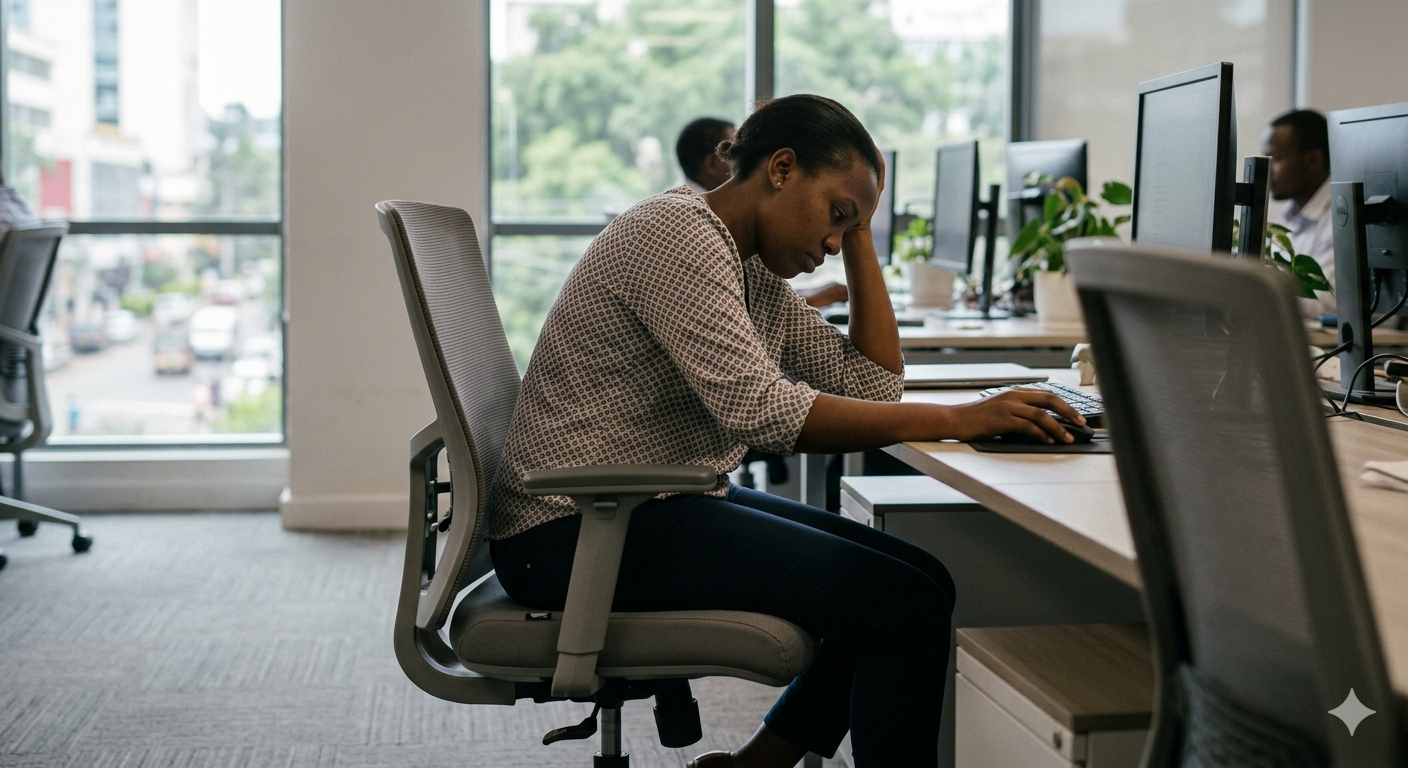
For many young professionals and students, a typical day involves hours seated in lectures, on laptops, in traffic, or scrolling through phones. It feels harmless.
Health experts are now raising concerns that how you sit, not just how long, could quietly be affecting your body in ways you only notice when discomfort sets in.
“Most people don’t think about posture until they feel pain,” a physiotherapist quoted by the National Health Service guidance on ergonomics said. “But by then, poor sitting habits are already formed.”
The silent strain on your body
When you slouch, lean forward, or perch awkwardly on your chair, your body compensates. Over time, that compensation becomes strained. According to research published by Medical News Today, prolonged sitting can lead to destruction of the musculoskeletal system, reduced flexibility, and even digestive issues.
It’s not just about comfort, it’s about structure. Your spine is designed to maintain a natural “S” curve. Once you consistently sit in a way that disrupts that alignment, your muscles and joints begin to work harder than they should. That results in a familiar lower back ache, stiff neck, or tight shoulders, which many people brush off as normal.
Why your chair isn’t the only problem
The issue goes beyond posture. Duration matters too. Experts from the Canadian Centre for Occupational Health and Safety explain that sitting for long periods reduces blood flow, increases pressure on spinal discs, and fatigues muscles, especially around the neck and lower back. In simple terms, your body isn’t built to stay still for that long.
Even more concerning, studies highlighted by the World Health Organisation show that sedentary lifestyles are linked to serious conditions like heart disease and diabetes if not balanced with regular movement.

What makes this issue tricky is how delicate it is. Poor posture becomes comfortable and leads to it feeling normal. Your body learns quickly. Poor posture can become habitual and feel natural.
That’s why many people only react when discomfort turns into persistent pain.
Take desk setups, for example. A screen that’s too low encourages neck bending. A chair without back support leads to slouching. Reaching too far for everyday items strains muscles over time. Individually, these seem minor. Combined, they build up.
What can you do differently?
The fix isn’t complicated, but it requires awareness. Start by adjusting how you sit: keep your back supported, feet flat on the floor, and shoulders relaxed. Avoid leaning forward for long periods. Most importantly, don’t stay seated for too long.
Health experts recommend taking short breaks every 30 minutes to stand, stretch, or walk. Even a minute or two makes a difference in restoring blood flow and reducing muscle fatigue.
Think of it more as giving your body regular resets. Sitting isn’t the enemy; staying still is. In a world where work, study, and entertainment are increasingly screen-based, paying attention to how you sit is becoming just as important as what you eat or how often you exercise.