Overhydration: 5 signs you are drinking too much water
By Dan Kauna, September 28, 2026Water is essential for healthy living, but drinking too much too quickly can actually harm your health. Many people carry bottles everywhere, sipping constantly in an effort to meet daily health targets.
However, excessive fluid intake can lead to hyponatremia, a condition where the sodium levels in your blood drop dangerously low.
When sodium levels drop, body cells swell with extra fluid. Research published in the British Journal of Sports Medicine highlights this risk, noting that “drinking to thirst is the safest strategy to prevent both overhydration and exercise-associated hyponatremia.”
Recognising the warning signs can help you keep your body balanced.
1. Your urine is completely transparent
Healthy urine should look like pale straw or light yellow. If your urine is constantly crystal clear with no yellow tint at all, you are likely taking in more fluid than your system requires.
Passing clear urine repeatedly throughout the day means your body is flushing out essential minerals faster than it can replace them.
2. Throbbing headaches and sudden nausea
Low sodium levels reduce the salt concentration in your blood, forcing water into surrounding cells, including your brain tissues.

As brain cells expand, they press against the inside of your skull, causing a dull or throbbing headache. This fluid pressure can also trigger unexplained nausea or feeling lightheaded.
3. Swelling in your hands, feet, and lips
Excess fluid in your bloodstream eventually leaks into nearby body tissues. You may notice your rings feeling tight, your shoes pinching unexpectedly, or puffiness around your feet and lips.
This visible swelling occurs when your kidneys cannot clear extra water quickly enough to maintain balance.
4. Waking up multiple times to urinate
Urinating more than eight times a day suggests it is time to slow down your water intake. Waking up two or three times every night to empty your bladder disrupts your sleep cycle and leaves you exhausted the next day.
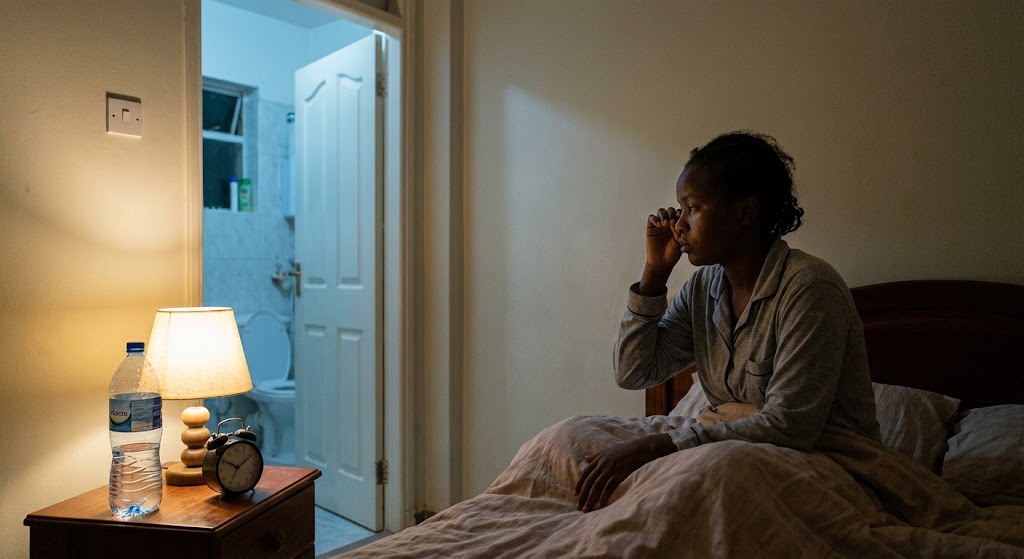
Space your drinks throughout the day to give your kidneys time to process fluids naturally.
5. Unexplained muscle cramps and weakness
Essential electrolytes such as sodium and potassium allow muscles to contract and relax properly. Drinking huge amounts of plain water dilutes these vital minerals in your blood, causing painful muscle spasms, sudden twitching, or overall physical fatigue during normal activities.
Staying healthy does not mean forcing litres of water down every hour. Paying attention to your natural thirst signals remains the safest way to stay properly hydrated.