Advertisement
How misusing asthma, diabetes & livestock drugs as slimming pills could land you in ICU
23rd July, 2026 03:24 PM
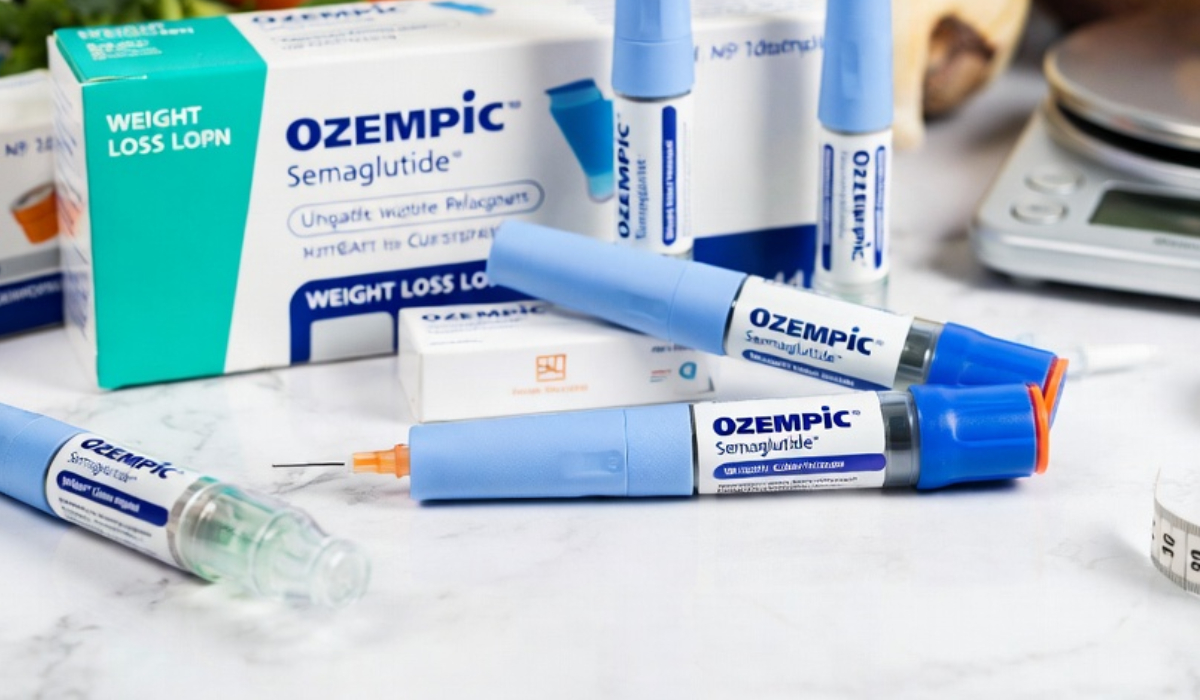
Diabetes drugs are designed to fix imbalances in people with serious metabolic disease, not healthy bodies. Side effects range from nausea and acid reflux to pancreatitis, gallstones, and kidney damage.
Mary, a 34-year-old investment banker, felt constant pressure to look polished at work. After watching a string of “weight loss update” videos from lifestyle creators online, she skipped a proper medical check and used an online concierge service to get compounded semaglutide without a prescription.
The first two weeks brought a satisfying drop on the scale. By week four, the drug’s effect of slowing digestion triggered relentless vomiting and dangerous dehydration, striking in the middle of a major client presentation. Mary ended up in an emergency room on an IV drip, learning that using a metabolic drug with no underlying condition to correct can throw the body into serious shock.
David, an amateur fitness competitor, wanted a chemical shortcut to ultra-low body fat before a regional competition. He started an unscientific clenbuterol “cutting cycle” using doses meant for livestock, sourced from underground forums. Within 48 hours, his resting heart rate jumped from a normal 72 beats per minute to a continuous 138.
His hands shook so badly he could not steady his laptop to answer emails, and he began suffering crushing chest pains while resting on his couch. David was rushed to a cardiac care unit with acute heart damage caused by restricted blood flow and severe electrolyte loss, the direct result of forcing a veterinary asthma drug into a human body.
Elena, a university student, found an online thread pitching albuterol inhalers as an easy way to burn extra calories before workouts. She began borrowing her roommate’s prescription inhaler, taking several puffs before every gym session.
Within two weeks, she developed chronic muscle cramps, severe anxiety spikes, and dangerously low blood potassium. A rescue inhaler meant to save lives during an asthma attack had become, in her hands, a cardiac hazard.

Drugs for serious, chronic illness are being pushed into gyms, offices and social media feeds
These three stories sit at the centre of a wider, troubling trend: medicines built for serious, chronic illness are being pulled from hospitals and clinics and pushed into gyms, offices and social media feeds as shortcuts to a leaner look.
Driven by celebrity trends and online lifestyle branding, drugs designed for type 2 diabetes and respiratory disease are increasingly used “off-label”, meaning outside their approved purpose, by healthy people chasing rapid body transformation.
What looks like an easy hack on a phone screen is a complex biochemical process, and the people paying the price are often the patients who depend on these drugs to stay well.
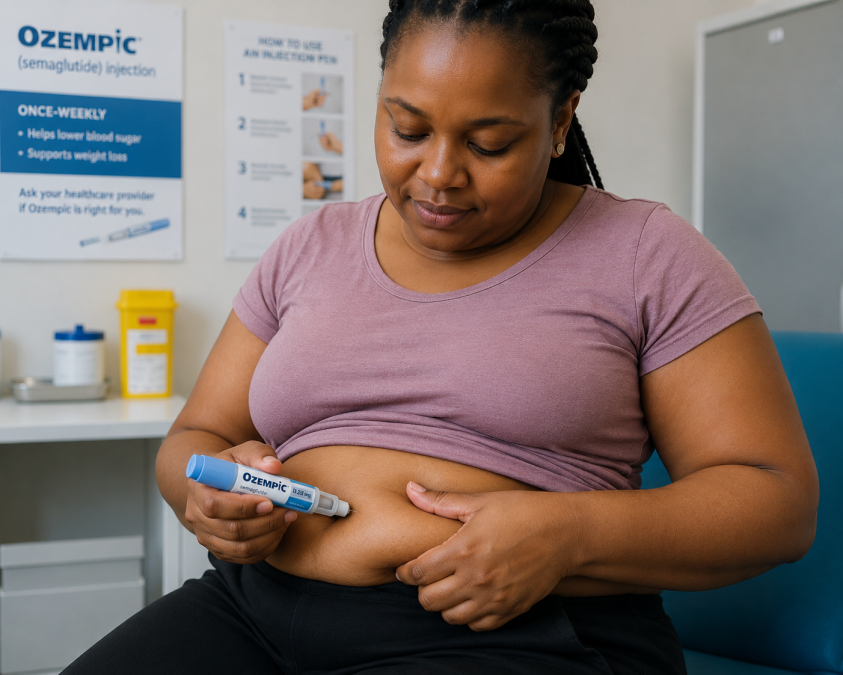
At the centre of the current wave is semaglutide, sold as Ozempic for type 2 diabetes and Wegovy for weight loss. It works by mimicking natural hormones that regulate blood sugar, slow digestion and change how full the brain feels after eating.
In patients meant to take it, this can produce a genuine, well-documented weight loss of 10 to 15 per cent, according to a 2025 study by Sofía Echeverry-Guerrero and other researchers.
Online, though, it has been stripped of medical context and turned into a beauty product. Viral short videos routinely leave out the need for medical supervision, the cost, and the gut-related side effects, a pattern documented in 2025 by researchers S. Propfe and C. Seifert in their study of how drugs circulate on social platforms. That hype has helped fuel unregulated online sellers, fake telehealth prescriptions and shortages that hit patients who need the drug to control their blood sugar.
Mary’s story shows exactly how that plays out for someone with no underlying condition. As a pharmacoepidemiological review by Echeverry-Guerrero and colleagues points out, patients with severe metabolic disease have specific imbalances that these drugs are designed to correct.
Healthy people have no such imbalance, so the drug has nothing to stabilise and instead puts unnecessary strain on the body.
Common side effects include acid reflux, severe nausea and blocked intestines, alongside more serious problems such as pancreatitis, gallstones and kidney damage. Without a real medical need, people simply expose their organs to stress with no benefit attached.
Unsupervised use has led to a rise in bad reactions, black market sales, compromised product quality
Kenyan regulators have already stepped in. In August 2025, the Ministry of Health (MoH), through the Pharmacy and Poisons Board (PPB), warned the public against using semaglutide compounds such as Ozempic for cosmetic weight loss.
PPB Chief Executive Officer Dr Fred Siyoi said unsupervised use had led to a rise in bad reactions, black-market sales and compromised product quality, and reminded consumers that using prescription-only medicines for rapid slimming skips crucial diagnostic checks, trading long-term metabolic health for short-term cosmetic gain.
While semaglutide dominates today’s trends, misusing asthma and COPD medicines for weight loss is an older, deeply established problem, and David and Elena’s cases sit on opposite ends of it.
Beta2-agonists are designed to open the airways during an asthma attack or a COPD flare-up. Because they also speed up fat breakdown and calorie burning, some people misuse them purely for that side effect, even though they were never approved for it.
Clenbuterol, the drug David took, is a particularly potent beta2-agonist, not approved by the US Food and Drug Administration for human use at all and heavily restricted worldwide, though routinely used in veterinary medicine to treat airway problems in horses, as detailed in a 2023 review, “An Overview of Clenbuterol”, by researchers Seladi and Schulman.
In fitness and bodybuilding circles, it is widely abused for its ability to speed up resting metabolic rate, stimulating the body’s stress response system to sharply increase energy use, encourage fat burning and preserve muscle during extreme dieting.
Because it stays active in the body for roughly six days, misuse can trigger dangerous, sustained overstimulation of the heart and nervous system, exactly what caused David’s racing heart and chest pain.
Excess fat tissue creates inflammation that worsens sensitive airways
Albuterol, also known as salbutamol and the drug Elena misused, works on a similar pathway but is far more common and shorter-acting, typically lasting four to six hours. It is the standard rescue inhaler used worldwide for asthma attacks.
Because it is so easy to get hold of, it has increasingly been repurposed in weight-loss circles as a way to force the body into continuous calorie burning, exactly what left Elena with muscle cramps, anxiety and dangerously low blood potassium.
The real irony is that used exactly as intended, under proper medical supervision, these same drug classes can produce genuine benefits linking both conditions. Obesity and airway inflammation are closely connected, and treating the underlying metabolic problem can directly improve lung health.
Research presented by S. Høj and K. E. J. Håkansson at the European Congress on Obesity found that using the newer GLP-1 class of obesity drugs in people with chronic asthma was linked to a 26 per cent drop in asthma flare-ups and a 14 per cent fall in rescue inhaler use.
Excess fat tissue creates inflammation that worsens sensitive airways, so legitimate GLP-1 treatment, by driving real weight loss, breaks the cycle linking weight and breathing problems.
Institutions such as Mater Research are now studying this link, running trials of dual GIP/GLP-1 drugs such as tirzepatide, marketed as Mounjaro, for people with both asthma and obesity.
Erika Williams, a mother of three, developed worsening chronic asthma as she gained weight during perimenopause, relying on two daily preventer inhalers to avoid serious flare-ups while her weight limited how active she could be.
Driven by social media trends, these powerful drugs become public health problems
Through the Mounjaro trial run by Mater Research, she is part of a study tracking how supervised weight loss changes lung mechanics and calms airway inflammation, offering a safe route to reducing her reliance on medication while protecting her heart.
The gap between Mary, David and Elena’s experiences and Erika’s is really a gap in Rational Drug Use: using the right medicine for the right reason under proper supervision.
Driven by social media trends, these powerful drugs become public health problems, causing preventable organ damage, supply shortages and serious heart risk. Used within strict clinical guidelines, the same drugs become tools for genuine recovery.
Tackling this will take more than passive warnings. Because the trend lives on social media, health systems argue the response has to live there too: doctors and pharmacists debunking dangerous trends directly on TikTok and Instagram, platforms redirecting risky searches such as “online Ozempic source” toward clear health warnings, and campaigns that put the emergency room alongside the viral video, so a scarce, life-saving medicine is not mistaken for a harmless shortcut to a smaller waistline.