Advertisement
How Chikungunya is diagnosed and treated in Kenya
02nd July, 2026 05:20 PM
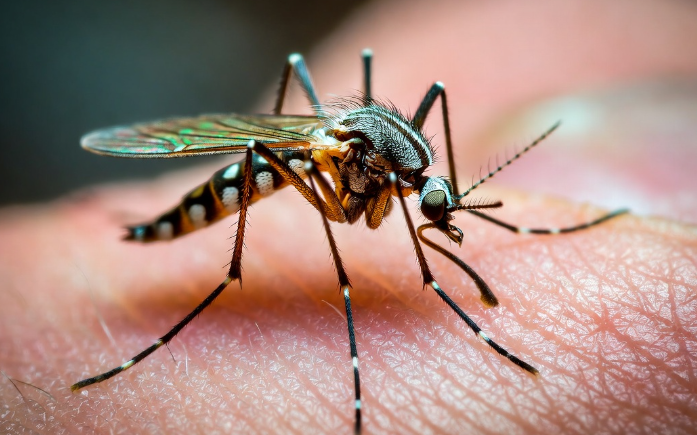
Chikungunya is a mosquito-borne viral disease that can cause sudden fever, severe joint pain and extreme fatigue. Although the illness is rarely fatal, its symptoms can be debilitating, with some people experiencing joint pain that lasts for weeks, months or even years.
Chikungunya is characterized by an abrupt onset of fever frequently accompanied by joint pain. Other common signs and symptoms include muscle pain, headache, nausea, fatigue and rash.
The joint pain is often very debilitating, but usually lasts for a few days or may be prolonged to weeks. Hence the virus can cause acute, subacute or chronic disease.
Most patients recover fully, but in some cases joint pain may persist for several months, or even years. Occasional cases of eye, neurological and heart complications have been reported, as well as gastrointestinal complaints.
Serious complications are not common, but in older people, the disease can contribute to the cause of death. Often symptoms in infected individuals are mild and the infection may go unrecognized, or be misdiagnosed in areas where dengue occurs.
Transmission
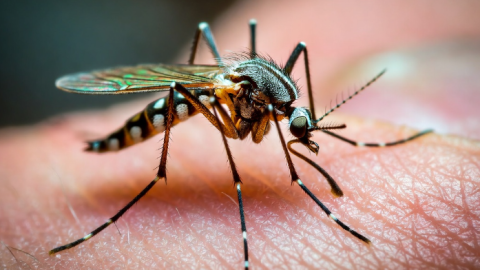
The virus is transmitted from human to human by the bites of infected female mosquitoes. Most commonly, the mosquitoes involved are Aedes aegypti and Aedes albopictus, two species which can also transmit other mosquito-borne viruses, including dengue.
These mosquitoes can be found biting throughout daylight hours, though there may be peaks of activity in the early morning and late afternoon. Both species are found biting outdoors, but Ae. aegypti will also readily feed indoors.
After the bite of an infected mosquito, onset of illness occurs usually between 4 and 8 days but can range from 2 to 12 days.
Treatment
According to the World Health Organisation (WHO), there is no specific antiviral drug treatment for chikungunya.
Treatment is directed primarily at relieving the symptoms, including the joint pain using anti-pyretics, optimal analgesics and fluids. There is no commercial chikungunya vaccine.
Prevention
The proximity of mosquito vector breeding sites to human habitation is a significant risk factor for chikungunya as well as for other diseases that these species transmit.
Prevention and control relies heavily on reducing the number of natural and artificial water-filled container habitats that support breeding of the mosquitoes. This requires mobilization of affected communities.
During outbreaks, insecticides may be sprayed to kill flying mosquitoes, applied to surfaces in and around containers where the mosquitoes land, and used to treat water in containers to kill the immature larvae.