Advertisement
World Health Day 2026: How Kenyans can protect themselves from chikungunya and dengue fever
07th April, 2026 10:48 AM
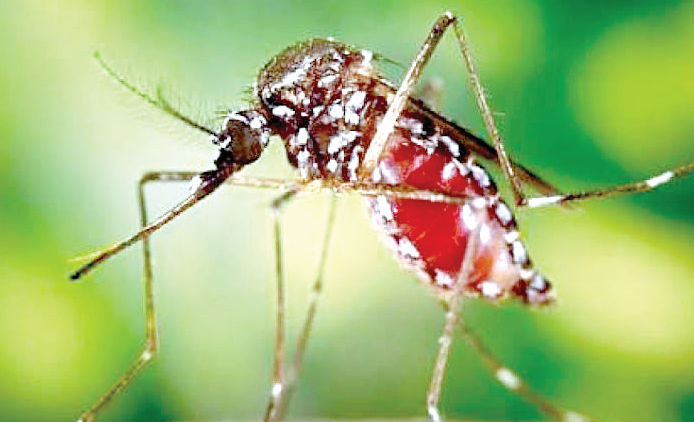
As World Health Day 2026 is observed this week, Kenyans are being urged to take proactive steps to protect themselves from mosquito-borne and waterborne illnesses amid changing weather conditions.
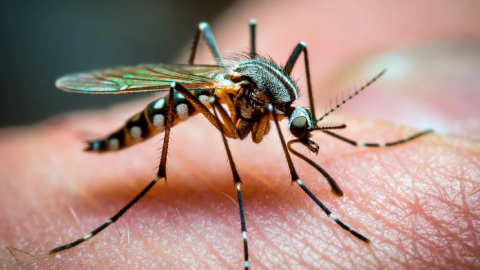
According to the Kenya Meteorological Department (KMD), the latest Biometeorological Weekly Bulletin, valid from April 7 to April 13 2026, highlights moderate risks of flooding and potential outbreaks of diseases such as Chikungunya, Dengue, Malaria, Cholera, Typhoid, and Diarrhoea due to heavy rainfall and stagnant waters in several parts of the country.
Kenya met added that the combination of heavy rainfall, stagnant water, and cold conditions poses a moderate risk to public health across Kenya.

“There is a moderate risk of flooding in the Highlands West of the Rift Valley, around Moyale in Marsabit county, and in a few areas of the Highlands East of the Rift Valley with potential outbreaks of vector-borne diseases due to stagnant waters,” Kenya Met stated.
“Moderate risk of flooding in low-lying and flood-prone areas. Increased risk of mosquito-borne diseases (Malaria, Dengue, Rift Valley Fever, Chikungunya) and Waterborne diseases(Cholera, Diarrhoea, Typhoid) due to rainfall and stagnant waters,
Moderate risk of respiratory illnesses (Common cold, Pneumonia, Flu, Bronchitis, Influenza and Asthma in Nyahururu. Moderate risk of cardiovascular complications, particularly among children, the elderly and individuals with chronic illnesses.”
How Kenyans can protect themselves
In line with World Health Day 2026 and the Kenya Met’s latest advisory, Kenyans are urged to take several precautions to stay safe.
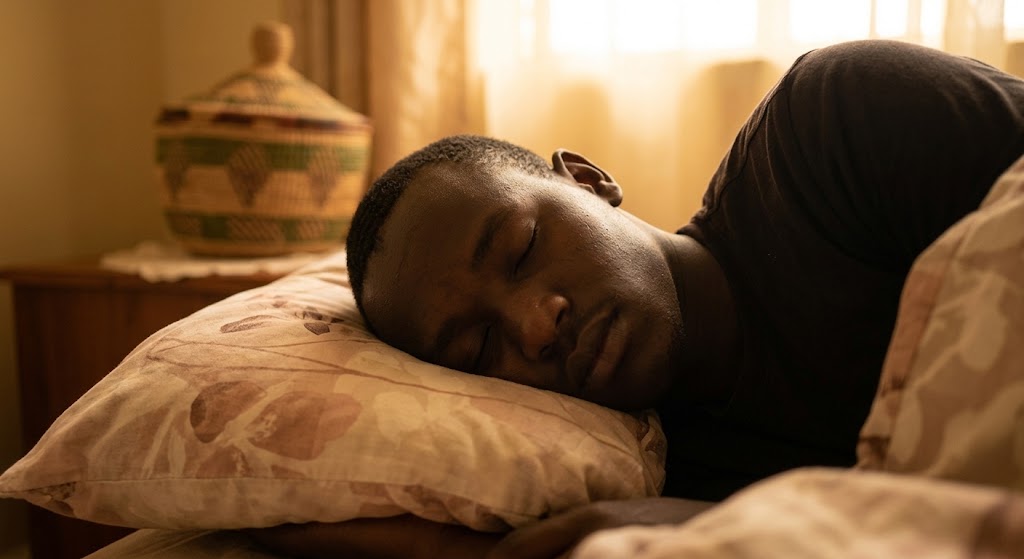
These include using clean or treated water for drinking and cooking, draining stagnant water around homes and workplaces, and sleeping under mosquito nets to prevent mosquito-borne diseases.
Citizens should also avoid flooded areas and landslide-prone zones; dress warmly, especially in cold regions, to reduce the risk of respiratory and cardiovascular issues; and stay updated with official KMD weather forecasts and health advisories to remain informed and prepared.
“Use clean or treated water for drinking, drain stagnant water and sleep under mosquito nets, avoid flooded areas and landslide-prone zones, dress warmly, especially in cold regions, and stay safe,” Kenya Met advised.
By taking these precautions, Kenyans can reduce the risk of contracting mosquito-borne and waterborne diseases while staying safe during periods of heavy rainfall and cold weather. As World Health Day 2026 emphasises, protecting health starts with awareness, preparedness, and science-backed action.