Advertisement
Beyond strip clubs: 5 reasons fitness enthusiasts are obsessed with pole dancing
18th September, 2026 12:14 AM
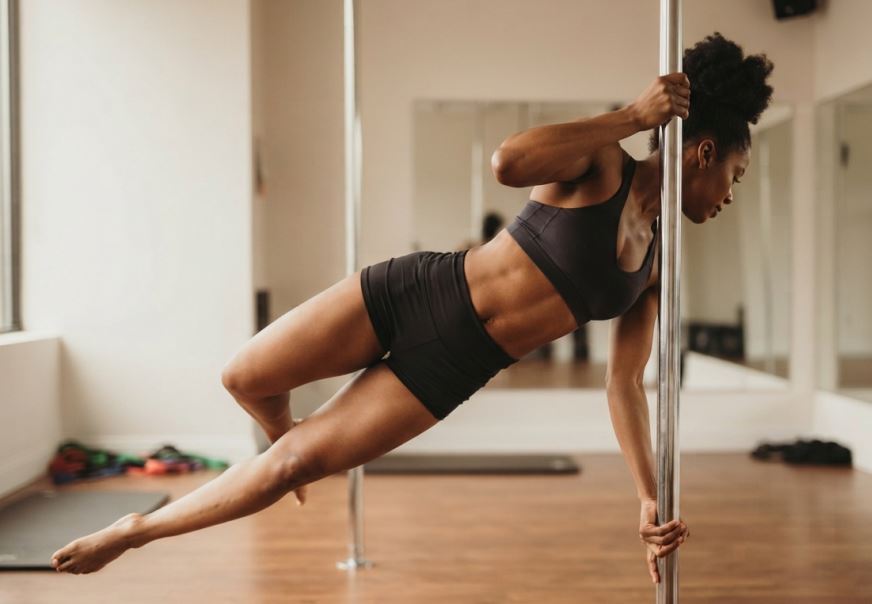
Pole dancing is having a moment in the fitness world, and it is easy to understand why. What looks like a graceful spin, a confident pose, or an effortless climb often involves serious strength, concentration and plenty of practice. Behind the music and impressive movements is a workout that challenges the body while allowing participants to express themselves.
Fitness enthusiasts who have grown tired of repeating the same squats, treadmill sessions and weightlifting routines are exploring pole classes as a more creative alternative. Some attend to build strength, others want to improve flexibility, and many simply enjoy learning something new. There is also the satisfaction of mastering a movement that initially seemed completely out of reach.
However, pole fitness is not a magic shortcut to a toned body, and beginners should not expect to perform advanced tricks after one lesson. The activity requires patience, proper instruction and an understanding of how the body moves.
Here are five things to know about pole dancing for fitness before you sign up for your first class.
It is a serious strength workout
The first surprise for many beginners is how much strength pole dancing demands. A person may appear to be floating around the pole, but their muscles are working hard to maintain grip, support body weight and control movement.
The shoulders, arms, back, abdomen and legs all contribute to different exercises. Even a basic spin requires coordination and the ability to maintain control while your body moves around the pole.
As training progresses, participants may practise climbing, holding static positions and performing more challenging combinations. These movements can develop muscular endurance and body control, depending on the training programme and the individual’s consistency.
Research on pole fitness has identified physical demands involving strength, balance and cardiorespiratory effort. However, the intensity varies depending on the movements, the length of the class and the experience of the participant.
This is why beginners should not compare themselves with experienced dancers. Someone who has trained for years will naturally have better grip strength and body control than a person attending their first class. Your starting point is not a personal failure; it is simply where the workout begins.
Your grip, core and legs will be tested
Pole dancing involves more than holding on with your hands. Participants use different parts of their bodies to maintain stability, change direction and support themselves during movements.
Your core helps control your body, while your legs may be used to grip the pole or create momentum. Your shoulders and back contribute to pulling and stabilising movements, and your hands must learn how to maintain a secure grip.
This full-body involvement makes pole fitness interesting for people who want to develop strength through movement rather than rely exclusively on traditional gym equipment.
However, strength does not appear overnight. A beginner might manage a simple spin but struggle with a movement that requires lifting their entire body. That is normal. The muscles and coordination needed for pole work develop through repeated practice.
You may also discover muscles you had completely forgotten existed. The following morning, climbing out of bed could feel like an advanced flexibility class you never registered for.
Flexibility and balance take time
The elegant lines associated with pole dancing often come from flexibility, balance and controlled movement. Some dancers perform dramatic splits, extended leg positions and impressive bends, but these skills are developed progressively.
You do not need to arrive at your first class already flexible. Beginners can start with basic stretches and movements suited to their ability. Over time, regular training may help improve mobility, coordination and confidence in different body positions.
Flexibility training should be approached carefully. Stretching aggressively or forcing a position before the body is ready can cause injury. A qualified instructor should explain appropriate techniques and help participants understand their limitations.
Balance is equally important. Pole movements require awareness of body position and weight distribution. Learning to move slowly and maintain control can be more useful than rushing to complete a complicated trick.
The goal is not to copy the most flexible person in the studio. It is to understand your own body and gradually expand what you can do safely.
It can make exercise feel more enjoyable
One reason people are drawn to pole fitness is that it does not always feel like a conventional workout. Music, choreography and movement create an experience that can be both physically demanding and creative.
Some participants enjoy learning dance combinations, while others prefer the technical side of climbing and strength-based exercises. Different classes may focus on different styles, including fitness pole, dance-focused routines or more advanced acrobatic movements.
This variety can help people who find repetitive workouts boring. Instead of completing the same exercises every session, you may have a new movement to practise or a technique to improve.
Enjoyment matters because consistency is easier when you find an activity that fits your interests and lifestyle. That does not mean every class will be easy or enjoyable from start to finish. There will be moments of frustration, particularly when your body refuses to cooperate with a movement that looked simple during the demonstration.
Still, learning something new can give exercise a sense of purpose beyond burning calories.
Choose safety over showing off
The impressive pole routines circulating online can make advanced movements look deceptively simple. What viewers may not see is the years of practice, conditioning and instruction behind those performances.
Beginners should choose introductory classes led by instructors who explain techniques clearly and prioritise safety. Learning how to grip the pole, position the body and dismount properly is essential before attempting advanced movements.
A proper warm-up can prepare the muscles and joints for activity, while gradual progression gives the body time to adapt. Participants should also pay attention to pain, fatigue and signs that a movement is beyond their current ability.
Not every bruise is a badge of honour, and pushing through sharp pain is not proof of dedication. Rest and recovery are part of training, particularly when the muscles are being challenged in unfamiliar ways.
Before enrolling, ask about the instructor’s experience, class level, available equipment and safety procedures. A welcoming studio should allow you to ask questions without feeling embarrassed about your experience or physical ability.