Advertisement
Gloria Khalwale’s death: Luhya culture, rites, and expectations when man loses wife
16th August, 2026 08:15 AM

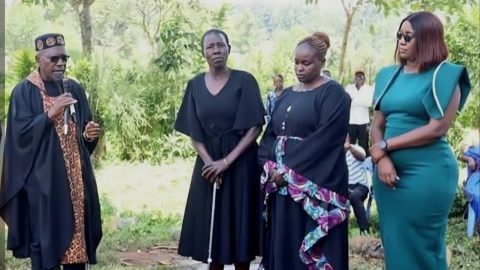
The death of Gloria Khalwale has brought attention to some of the traditional practices surrounding the death of a wife in Luhya culture.
Among some Luhya communities, the death of a married woman was not only a time of mourning but also marked a period when the widower was expected to observe certain customs.
One of the traditional practices concerns the house where the couple lived. In some Luhya traditions, a widower was not expected to continue sleeping under the same roof where he lived with his late wife.
He could either put up another house or, according to some accounts of the tradition, remove the roof of the old house. The practice was linked to the belief that the man’s life had entered a new stage following the death of his wife.
Burial rites and family responsibilities
The burial of a married woman also carried particular cultural meaning. In some Luhya traditions, a wife was traditionally buried on the left side of her husband’s house, reflecting her position within the homestead.
The relationship between the widower’s family and the deceased woman’s relatives was also important. Both families were expected to handle the burial with respect, including addressing matters between the families and any outstanding customary obligations.
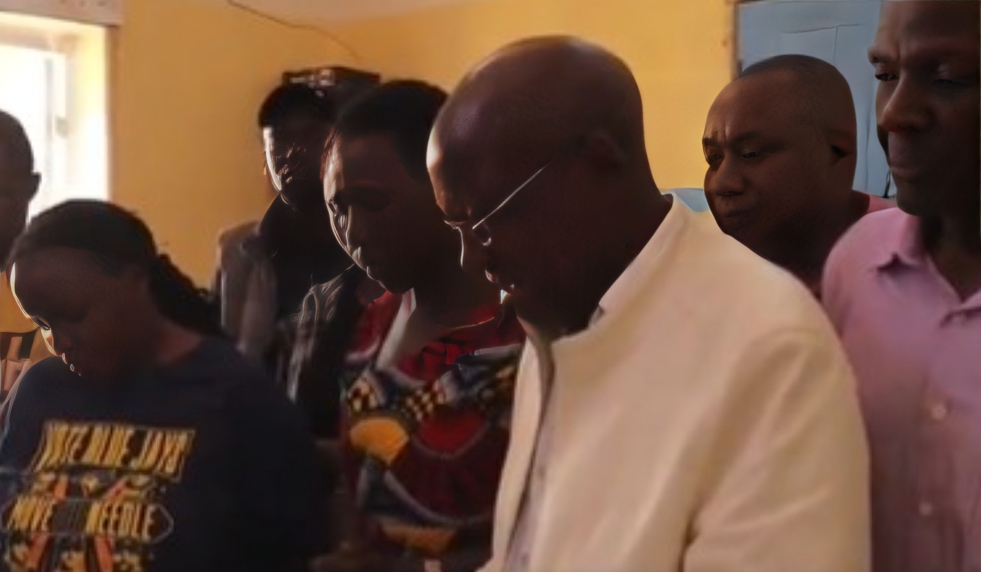
The widower is also expected to observe a period of abstinence and follow cleansing practices. One such traditional rite is known as Okhutisia, which involves purification after the death of a spouse.
The cleansing is traditionally conducted before the widower can fully return to normal life or eventually enter another marriage. Elders or people recognised for performing such rites could guide the process, depending on the community and clan.
The treatment of the marital sleeping area could also form part of the transition. In some Luhya communities, the space could be rearranged or cleansed rather than the man necessarily being required to build a completely new house.
In most cases, the elders also verify if the dowry was paid in full before the burial ceremony could be allowed to proceed at the husband’s place.
Children and remarriage after loss
After losing his wife, a man is traditionally expected to take responsibility for their children. However, raising children is not viewed as the responsibility of the father alone, as members of the wider family could also provide support.
A widower is not traditionally subjected to the same restrictions placed on some widows, and he was generally free to remarry after the mourning period and required rites had been completed.
When a man remarries, the new wife would become part of his homestead. Customary expectations included maintaining peace within the family and protecting the interests of children from the first marriage.
However, Luhya culture is made up of different communities and clans, meaning practices are not the same everywhere. Customs among groups such as the Bukusu, Maragoli, Wanga and Isukha can differ.
In today’s world, many of these practices have also changed. Christianity, Islam, modern education, urban living and changing family structures have influenced how families handle death and remarriage.
Some families continue selected traditional rites, while others follow religious or personal choices. For many modern Luhya families, the customs are now observed differently from how they were practised by previous generations.