Why salt does more than make food have flavour
By Katemarthason Okudo, July 3, 2026Salt is one of the most familiar ingredients in a Kenyan kitchen. It is added to vegetables, stews, rice, chapati dough, meat and even a cup of coffee. Yet its role goes far beyond making food taste salty.
A small pinch can reduce bitterness, bring out aroma, change the texture of vegetables and help meat stay juicy during cooking. Understanding what salt does can help home cooks use less of it while still preparing food that tastes balanced and satisfying.
Salt can reduce bitterness
Bitterness is a natural part of many foods, including sukuma wiki, coffee, dark chocolate, some vegetables and certain herbs. While bitterness can add character to food, too much of it can make a meal unpleasant.
Salt helps by reducing the way the tongue detects some bitter compounds. This is why a small pinch of salt in coffee can make it taste smoother without turning it into a salty drink. It can also help balance bitter greens, especially when they are cooked with onions, tomatoes or a little fat.
Research on taste perception has found that sodium can suppress bitterness in several foods. This is one reason why food may taste flatter or harsher when salt is removed completely. However, the effect depends on the food and the amount used, so adding too much salt can quickly overpower the meal. A study published in the journal Chemical Senses found that sodium salts can reduce bitterness by affecting how bitter compounds are perceived on the tongue.
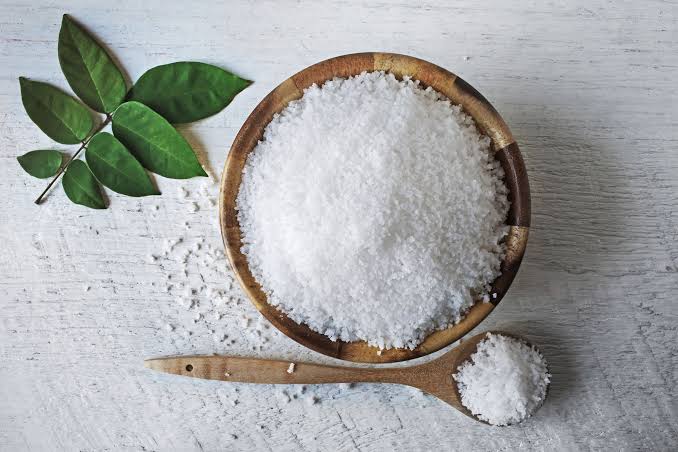
It helps food smell more flavourful
Much of what people call flavour actually comes from aroma. When food is cooking, compounds rise from the plate and travel through the nose, helping people notice the smell of roasted meat, fried onions, spices or fresh herbs.
Salt can influence how some of these aromatic compounds are released from food. In simple terms, it can make familiar flavours easier to notice. A well-seasoned tomato stew, for example, may taste richer not only because of saltiness, but because the tomato, garlic and spice aromas become more noticeable.
This is why food that is under-salted can sometimes taste dull even when all the right ingredients are present. Salt does not create flavour from nothing; it helps the existing flavours come forward.

Why salted tomatoes release water
Anyone who has sprinkled salt on sliced tomatoes, cabbage or cucumber has seen liquid collect at the bottom of the bowl. This happens through a process known as osmosis.
Salt on the surface creates a stronger concentration outside the vegetable cells. Water then moves out of the cells, carrying some moisture with it. This is useful when preparing kachumbari, salads, pickles or sautéed vegetables because it can reduce excess water and concentrate flavour.
However, timing matters. If tomatoes are salted too early for a salad, they may become watery and soften before serving. Salting them shortly before eating helps retain more texture. The process is explained by the food researchers , which describes how water moves across cell membranes from areas with lower solute concentration to higher solute concentration.
What salt does to meat
Salt also changes the structure of proteins in meat. When meat is salted in advance, either with a dry rub or in a salt-water mixture known as brine, the salt begins to interact with the proteins.
This process helps meat hold on to more moisture as it cooks. The result can be chicken, beef or fish that is better seasoned throughout and less likely to dry out. Brining is especially useful for lean cuts and poultry, which can lose moisture quickly over high heat.
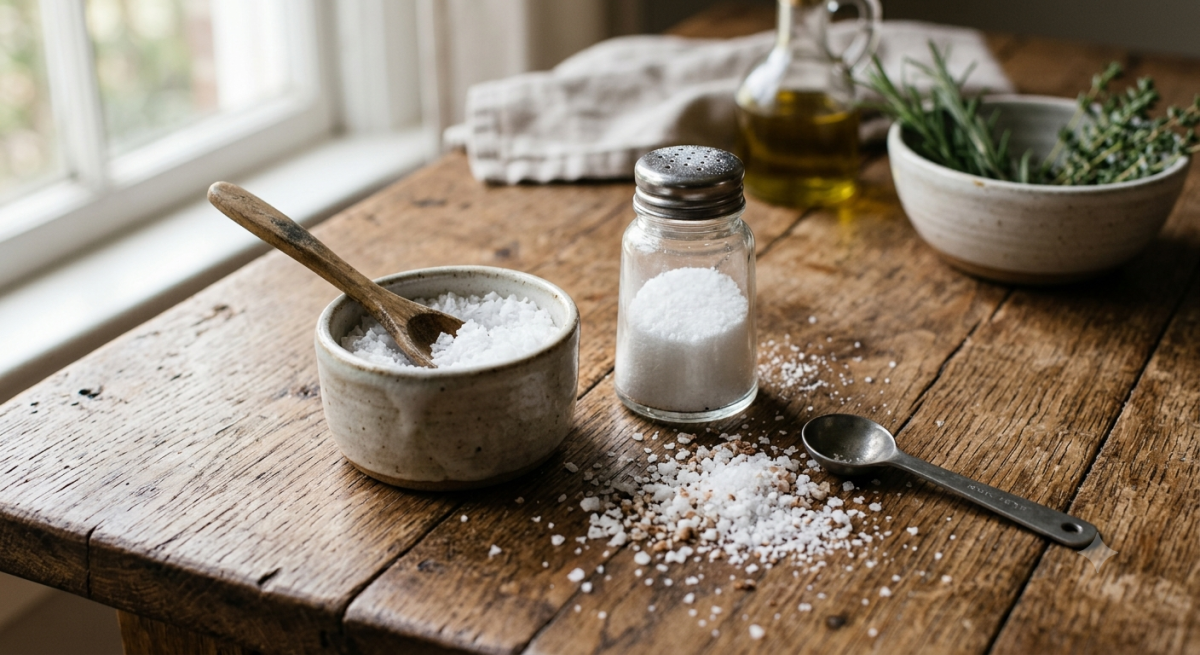
Salt is also important in sausages, minced meat mixtures and processed foods because it helps proteins bind together, improving texture. Research in the Journal of Food Science explains that salt affects meat proteins, helping improve water retention and texture during processing and cooking.
Using salt with care
Salt remains useful, but more is not always better. High sodium intake is linked to raised blood pressure and other health concerns. The best approach is to season gradually, taste food as it cooks and rely on onions, garlic, ginger, herbs, citrus, tomatoes and spices to build flavour.
When used thoughtfully, salt becomes more than a finishing touch. It is a quiet kitchen tool that balances bitterness, supports aroma, manages moisture and improves texture in everyday meals. The World Health Organization guidance on sodium intake recommends that adults consume less than five grams of salt a day to reduce the risk of high blood pressure and related health problems.