Why leftovers taste better the next day, according to science
By Dan Kauna, June 20, 2026There’s a beautiful kitchen mystery most of us know by heart. You open the fridge in the morning, scoop a little bit of last night’s beef stew into a pan, and warm it up.
When you take that first bite, you pause. The flavours are richer, the soup is thicker, and everything just hits the spot perfectly.
You didn’t imagine it, and you’re definitely not crazy for preferring day-old food over a freshly cooked meal.
What’s happening inside your containers overnight is a fascinating, slow-motion chemical negotiation that turns chaotic ingredients into a perfectly blended masterpiece while you sleep.
What actually changes in the fridge
Even while the dish sits in the fridge, the chemistry keeps moving.
Soluble compounds (salt, sugars, acids, amino acids) continue migrating slowly from areas of higher concentration to lower concentration throughout the dish, a process food scientists call flavour diffusion.
Seasonings distribute more evenly, and flavour from vegetables, meat, herbs and spices infuses more deeply into the liquid base. The result, when you reheat the next day, is a more balanced dish than the one you put away the night before.
It is less cooking and more a slow negotiation between ingredients that begins after the heat is switched off.
Meanwhile, something else is happening with the fats. Lipid molecules continue breaking down even at refrigerator temperatures, and when the dish is reheated, those degraded lipids volatilise, producing much of what we actually experience as flavour and aroma.
Proteins in meat, nyama choma trimmings, or bone broth also keep releasing free amino acids overnight, which boost the umami character of a dish.
The Institute of Food Technologists notes that these protein breakdowns “enhance savory, meaty, umami taste,” while the amino acids themselves can react with residual sugars during reheating to generate entirely new flavour molecules through the Maillard reaction – the same browning chemistry that made the dish delicious in the first place.
Donald Mottram’s peer-reviewed work on flavour formation, published in Food Chemistry, established that “the characteristic flavour of cooked meat derives from thermally induced reactions occurring during heating, principally the Maillard reaction and the degradation of lipid.”
Crucially, both processes do not stop when the heat does. Rather, they slow, and then resume with reheating, deepening the flavour architecture of the dish rather than rebuilding it from scratch.
Which dishes benefit most
Not every dish improves with time. Crispy mandazi, freshly fried fish, plain ugali; these are best eaten immediately, since texture is everything and it degrades fast. But dishes built on aromatics, spice layers, fats, and long-cooked proteins are almost always better the next day.
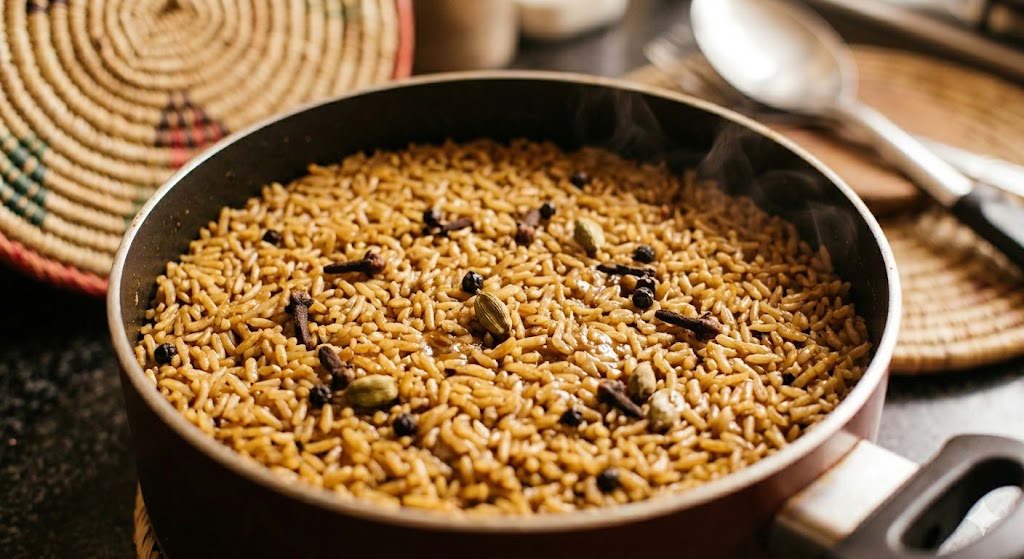
Pilau is perhaps the most obvious example. The cardamom, cloves, cinnamon and cumin that scent every grain during cooking spend the night slowly bonding with the rice starches and meat fats, producing a rounded, harmonious result that freshly made pilau rarely achieves.
Beef or goat stews benefit from the acid-sugar equilibration that mellows tomatoes’ sharp acidity and rounds out the spice profile.
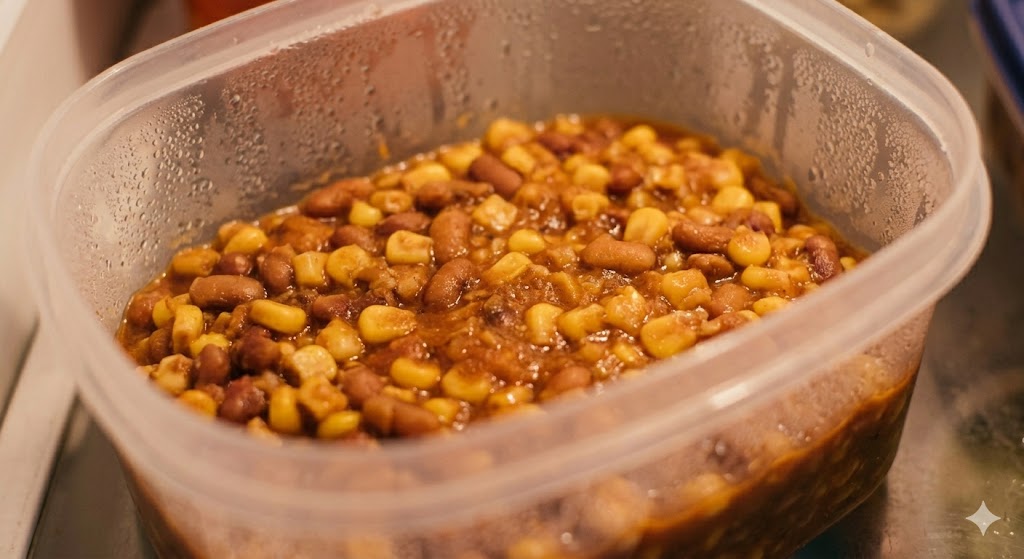
Githeri, especially when cooked with enough fat and onion, deepens considerably as the legume starches retrograde overnight, firming slightly and absorbing the surrounding aromatics.
Coconut-based dishes like mchuzi wa pweza (octopus curry) or samaki wa kupaka similarly improve: coconut fat acts as an aromatic carrier, trapping and integrating volatile spice compounds that would otherwise dissipate.