Advertisement
Why learning your partner’s food culture matters before marriage
24th May, 2026 07:13 AM
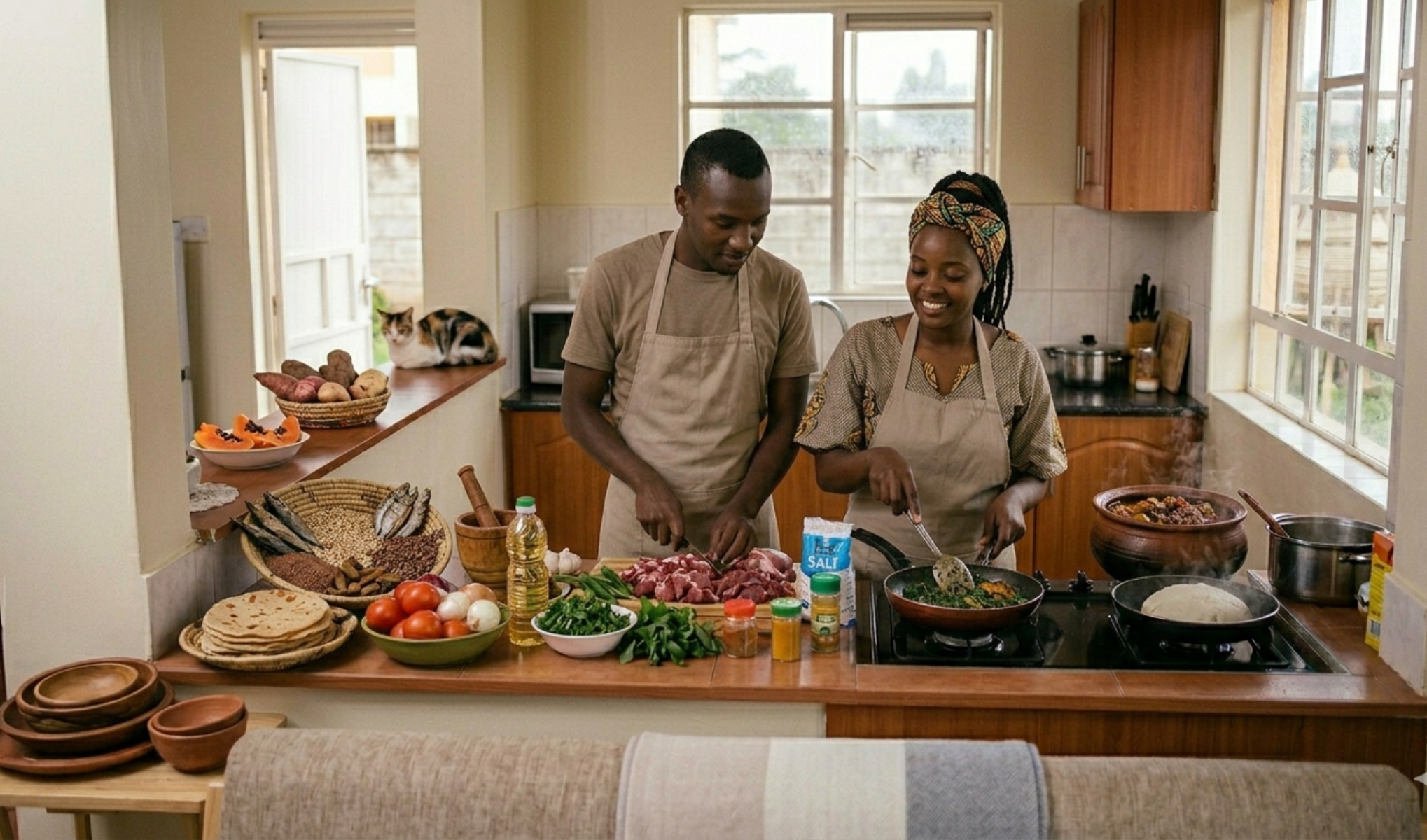
Love may bring two people together, but food is often what introduces them to each other’s real world.
Many couples enter relationships thinking food is a small issue until they move in together, visit each other’s families or begin planning marriage. That is when they realise meals are not just about eating.
Food carries culture, identity, traditions and even emotions.
In Kenya especially, food can easily become one of the biggest cultural shocks in relationships. Someone raised in a home where ugali and traditional vegetables were eaten almost daily may struggle to understand a partner who prefers chapati, rice or fast foods most of the week.
Another person may be surprised to find out that some communities highly value serving visitors tea immediately they arrive, while others focus more on preparing a full meal later.
At first, these differences look small and even funny. Couples joke about strange foods or unfamiliar cooking styles. But over time, food habits can create frustration if there is no understanding or willingness to adapt.
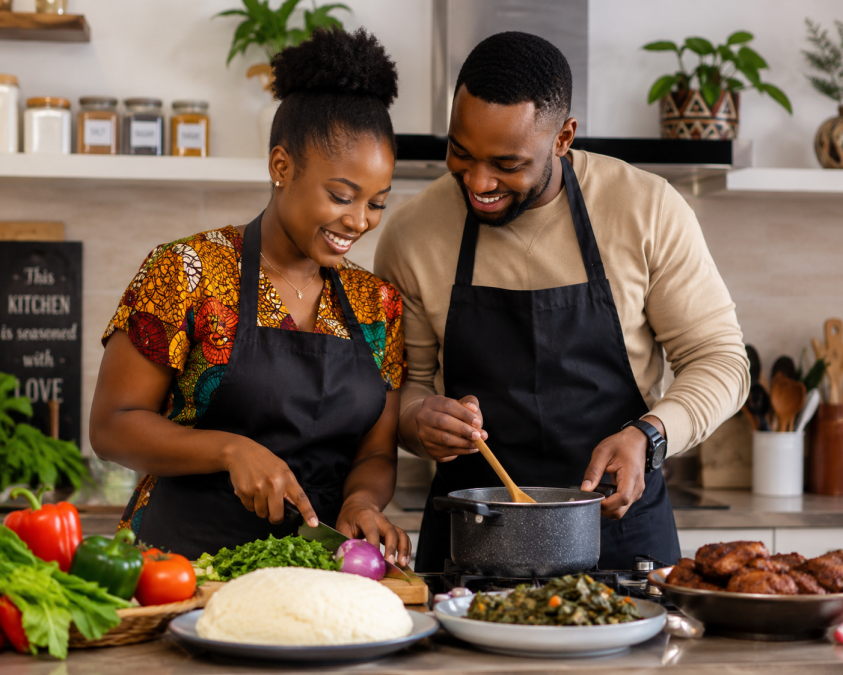
For many people, food is deeply emotional. Certain meals remind them of home, childhood, family gatherings or comfort during difficult times. That is why dismissing your partner’s favourite traditional food as “weird” or “boring” can feel more personal than people realise.
Food also plays a major role during introductions, dowry negotiations, weddings and family visits. In many Kenyan communities, preparing or sharing meals is seen as a sign of respect, love and hospitality. Failing to understand these expectations can sometimes create tension between couples and their families.
Intertribal relationships especially require curiosity and openness. Learning why your partner’s family values certain foods or eating traditions helps build respect. It also makes family interactions smoother because people appreciate effort, even when someone is still learning.
Sometimes love looks like eating food you never grew up liking simply because it matters to your partner. It can also mean learning how to prepare a meal that reminds them of home after a stressful day.
Social media has also made conversations around food and relationships more common. Many young couples now share funny experiences online about discovering their partners eat foods differently, whether it is how tea is prepared, how ugali is cooked or which foods are considered “special” in different homes.
While some of these moments become internet jokes, they reveal something important: food differences are real, and understanding them matters more than many people think.
Marriage is not only about loving a person. It is also about understanding the environment, traditions and lifestyle that shaped them. And sometimes, that understanding begins in the kitchen or around a dining table.