Why cooking is becoming a form of self-expression
By Katemarthason Okudo, September 22, 2026Cooking is increasingly becoming more than a way of putting food on the table. For many people, the kitchen has become a place to experiment with flavours, try different ingredients, and give familiar meals a personal touch.
A recipe may provide the starting point, but what happens next can depend on the person preparing it. One person may add more spices to a stew, another may replace an ingredient, while someone else may change the presentation of a familiar dish.
These small decisions can turn an ordinary meal into something that reflects personal taste and creativity.
The freedom to experiment
Unlike following a strict recipe, everyday cooking often leaves room for improvisation. People may adjust ingredients depending on what is available in the kitchen, how much time they have or the flavours they enjoy.
Cooking can serve as a creative outlet, with participants describing it as a way of expressing creativity. The study also found links between cooking and areas such as positive relationships and self-acceptance, although the associations were relatively small.
This creativity can be seen in simple meals. Leftover vegetables can become part of a new stew, rice can be mixed with different ingredients, while a familiar chapati recipe can be adjusted to create a different texture or flavour.

There is no need for the result to look like something from a restaurant. Sometimes, the personal choices made during preparation are what make the meal feel special.
Food can reflect personal taste
The way someone cooks can also reveal the flavours they enjoy. Some people prefer food with plenty of spices, while others like mild and simple dishes. Some enjoy experimenting with international recipes, while others find new ways to prepare traditional foods.
This can be particularly noticeable when someone has cooked the same meal several times. They begin to know how much seasoning they like, when to add certain ingredients, and how long the food should cook.
With experience, a recipe can become less of a set of instructions and more of a guide.
Traditional food can have a personal touch
Self-expression in cooking does not always mean creating something completely new. It can also mean giving a familiar dish a personal identity.
A traditional Kenyan meal, for example, can be prepared differently from one home to another. The ingredients may be similar, but the amount of seasoning, cooking time, and combinations served alongside it can vary.
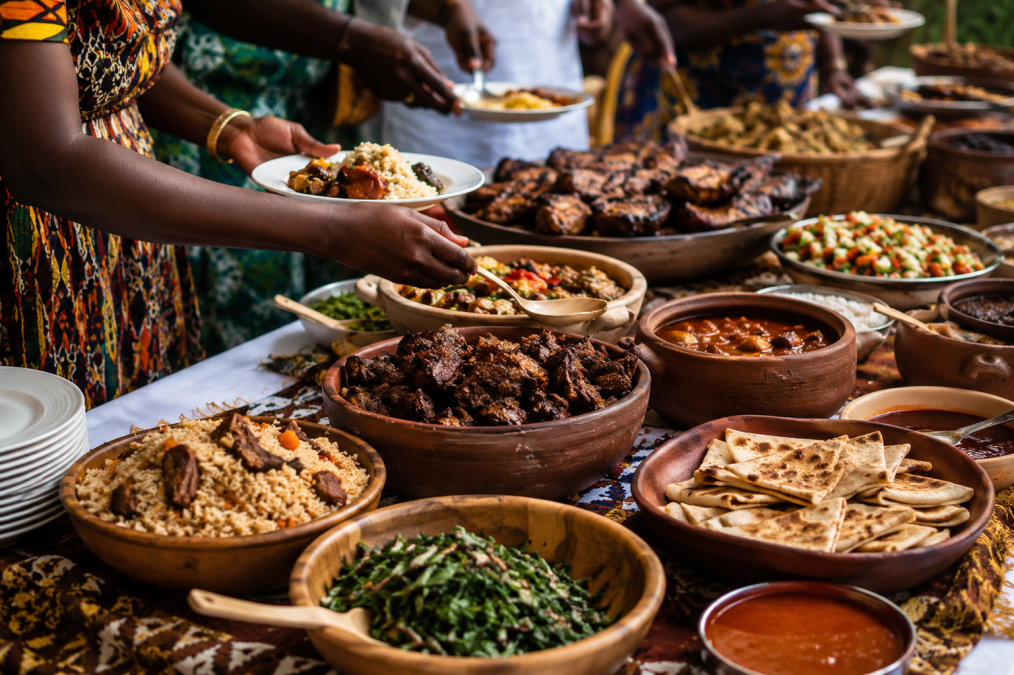
This is part of what makes home cooking personal. Food carries habits and traditions, but each household can develop its own way of preparing and serving familiar meals.
Research examining creativity in everyday cooking has also described improvisation as an important part of the process, showing how cooks can work within familiar recipes while making choices that suit their own needs and preferences.
Cooking is also about confidence
As people become more comfortable in the kitchen, they may become less afraid of making changes. A failed recipe can become a lesson, while a successful experiment can become a new favourite.
This confidence allows cooking to become more personal. Instead of asking whether a meal has been prepared exactly according to a recipe, the focus can shift to whether it tastes right to the person preparing it.
Cooking, therefore, can provide a simple creative outlet without requiring expensive equipment or professional training. A few ingredients, some time and the willingness to experiment can be enough.
For some, the final meal is not only something to eat. It is also a small reflection of their taste, memories, culture, and creativity.