Why coffee tastes different depending on the altitude it’s grown at
By Dan Kauna, September 27, 2026If you have ever wondered why coffee packaging displays figures like 1,800 metres above sea level, there is a reason behind it. The elevation where coffee trees grow alters the taste in your cup.
In Kenya, highland areas around Mount Kenya and the Aberdare Range, including Nyeri, Murang’a, and Kiambu, sit high above sea level. These regions produce world-famous coffee precisely because of their elevation. The reason for this vibrant flavour comes down to plant science.
Slower ripening builds sweeter flavours
At low altitudes, warm temperatures force coffee cherries to ripen quickly. The fruit matures before the tree can deposit large amounts of complex sugars and organic acids into the seeds.
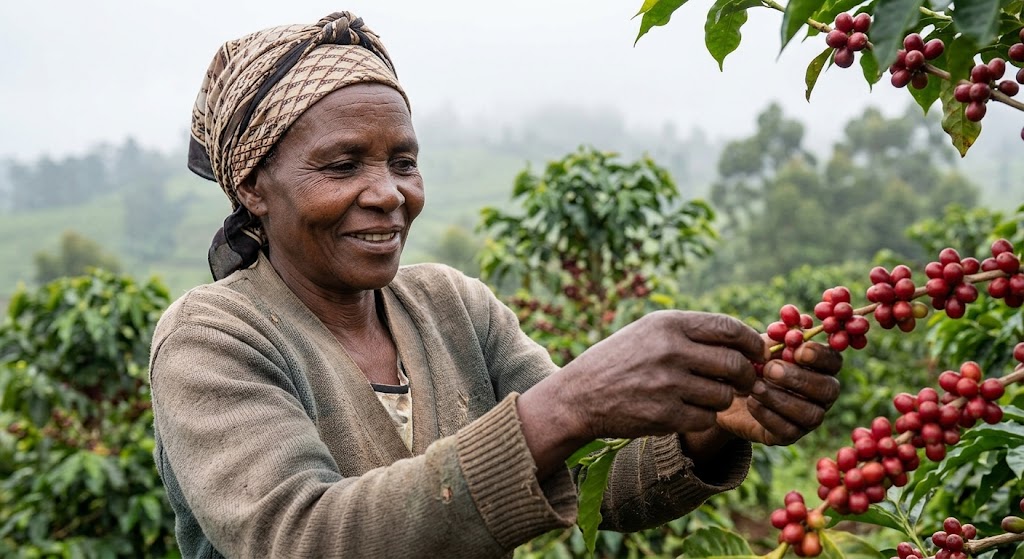
High up on mountain slopes, cooler temperatures slow down the entire ripening cycle. Cherries take up to eleven months to mature, compared to just six months in warmer lowlands.
This extended growth period gives the plant more time to concentrate natural sucrose, citric acid, and aromatic molecules inside the bean. When brewed, these compounds yield bright, fruity, and floral notes instead of plain bitterness.
A review published in Frontiers in Plant Science confirmed this effect, noting that “increased altitude is associated with improved sensory attributes of coffee”.
Harder beans lock in more flavour
Elevation also changes the physical density of the coffee bean. Cool nights and variable weather slow down the cell growth of the plant, packing nutrients tightly inside the seed.
Coffee buyers refer to high-grown Arabica as “strictly hard bean” because of its dense physical structure.
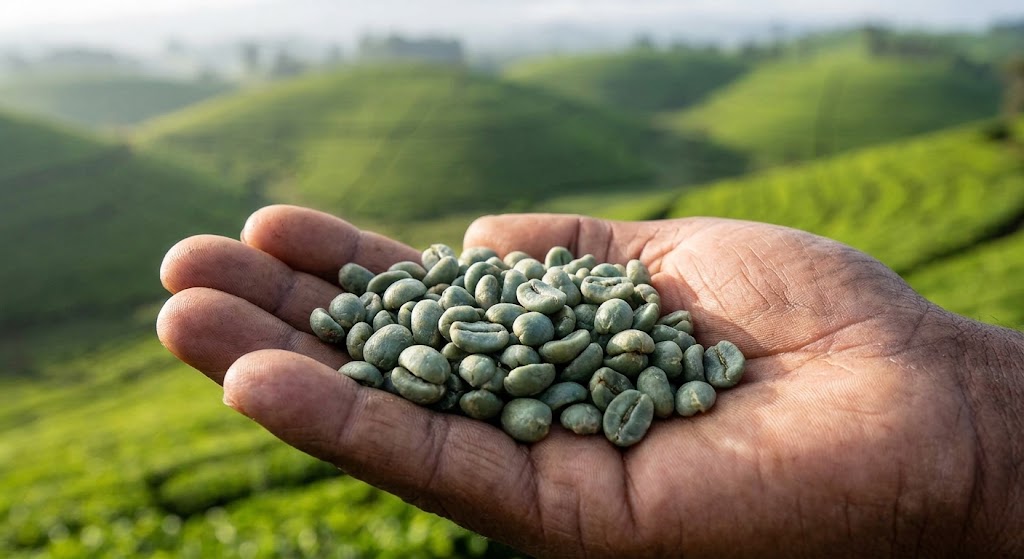
Denser beans hold onto essential oils, sugars, and organic compounds during harvesting, drying, and storage. When roasters apply heat to a dense bean, the heat transfers evenly throughout the seed, releasing balanced notes of dark chocolate, blackcurrant, and citrus.
Less dense beans grown at lower altitudes heat up rapidly during roasting, often resulting in an earthy or harsh cup.
The next time you enjoy a mug of local coffee, remember that the cool highland climate did the hard work long before the beans were picked and roasted.