Advertisement
The nutritional needs of teenagers that parents are missing
17th June, 2026 05:20 PM
Your teenager eats a lot. But eating a lot and eating right are two very different things. During adolescence, the body is building bones, developing muscles, and producing hormones all at once.
That process has very specific fuel requirements, and most Kenyan teens are not meeting them.
Here is what the research actually says, and what you can do about it on a typical Kenyan budget.
The nutrients your teen needs most
Calcium is the big one. The World Health Organisation recommends between 1,000 mg and 1,200 mg of calcium per day for teenagers – roughly double the adult requirement.
That demand exists because adolescence is the single most critical window for bone development. Whatever bone mass a teenager builds by their mid-20s is largely what they will carry for the rest of their lives. Miss this window, and the risk of fractures and osteoporosis later in life goes up considerably.
Iron is equally urgent. Teenage girls need about 15 mg per day, partly because of menstruation. Boys need around 11 mg to support lean muscle growth. Yet iron deficiency is common in this region.
A review covering Kenya, Ethiopia, Nigeria, and South Africa found iron deficiency “prevalence ranging from 12 per cent to 29 per cent in children and adolescents aged up to 19 years, with anaemia affecting between 25 per cent and 53 per cent of young people across the four countries.”
Zinc is the nutrient most parents have never thought about. It drives cell growth, immune function, and the physical changes of puberty. The same review found zinc deficiency affecting 32 per cent to 63 per cent of children and adolescents, with inadequate zinc intake reported in 51 per cent to 99 per cent of young people surveyed.
That is a significant proportion of teenagers going through one of the most physically demanding periods of their lives without enough of this mineral.
Protein supports all of it. Teenage boys need roughly 52–59 g per day, and girls around 46–52 g, though active teens need more. Protein provides the amino acids the body uses to build and repair muscle tissue during growth spurts.
What to put on the plate
The good news is that the most effective foods are also among the most affordable in Kenya.
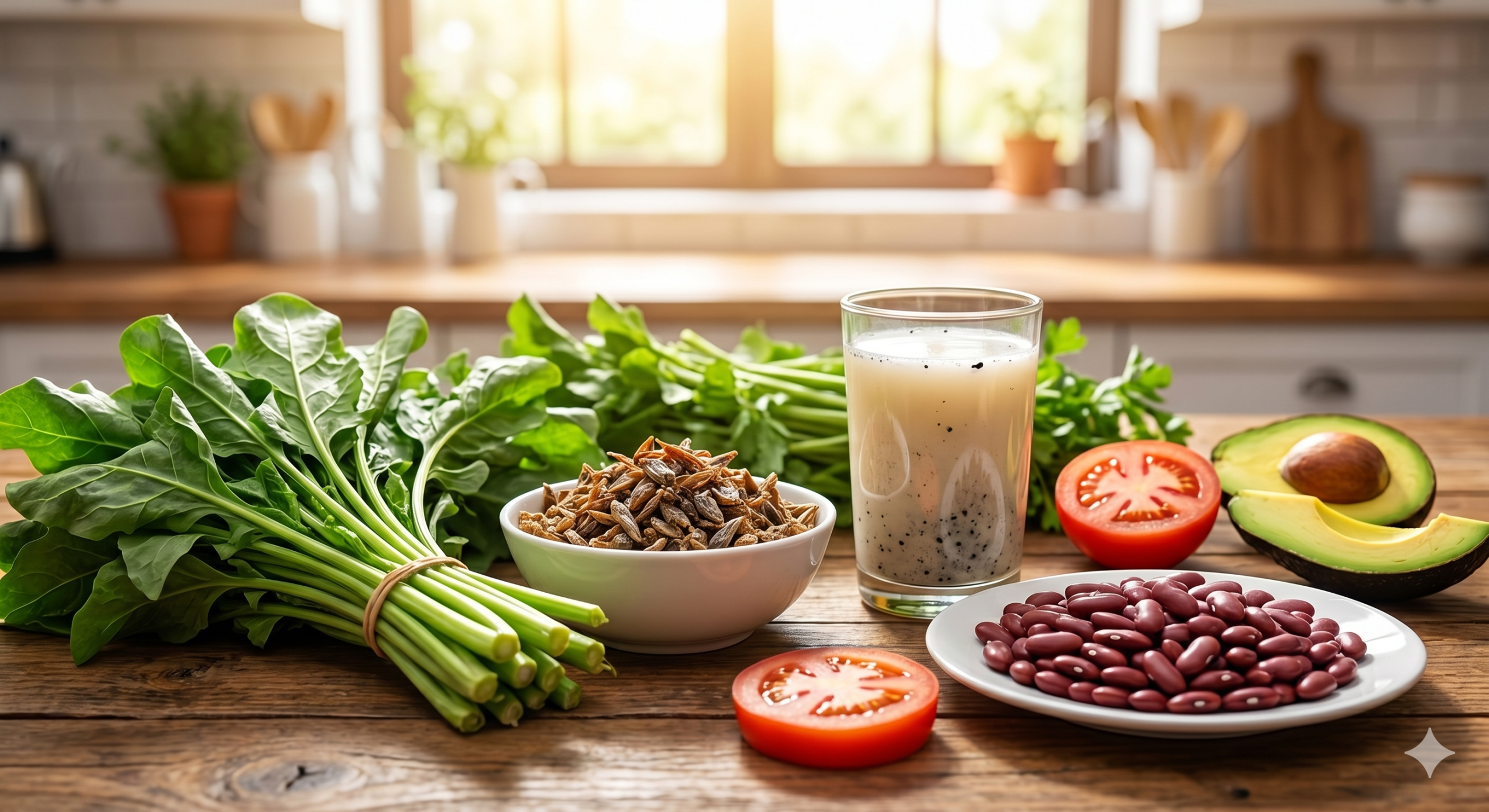
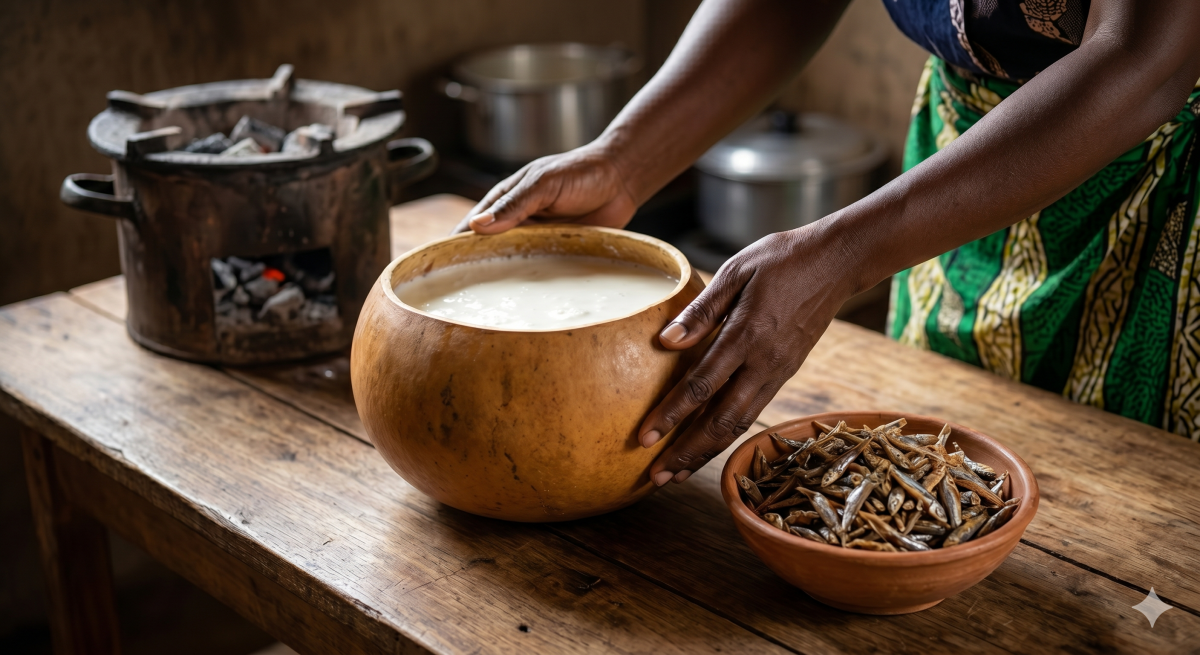
Milk and fermented milk products like mursik are the most efficient sources of calcium per shilling. A 300 ml glass of milk provides about 360 mg of calcium. If your child cannot tolerate dairy, fish eaten with their bones (like small omena) provides both calcium and iron in a single serving.
Omena (dagaa) and other small dried fish are among the most nutrient-dense foods available locally. They are rich in iron, zinc, calcium, and protein all at once, and remain accessible even in lower-income households.
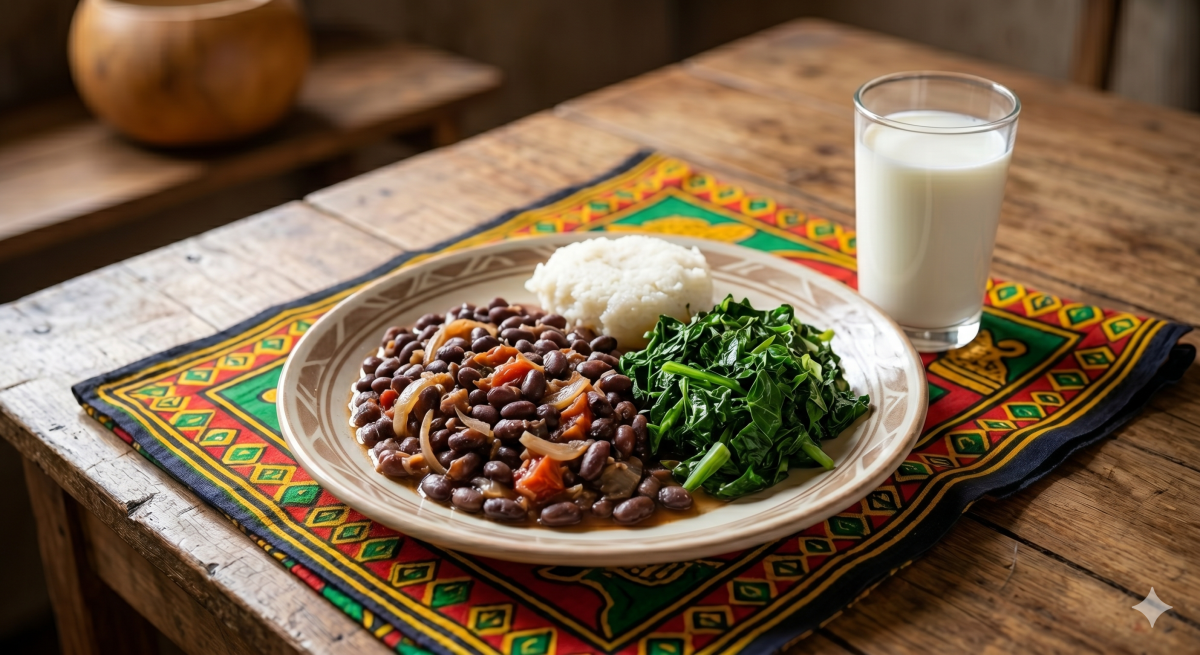
Beans, lentils, and njahi are plant-based iron and zinc sources that form the backbone of most Kenyan diets. Their iron is non-haem iron, meaning it absorbs less efficiently than meat-based iron, but pairing them with a vitamin C source (like a squeeze of lemon or a side of tomatoes) improves absorption considerably.
Liver and lean red meat deliver the most bioavailable form of iron, haem iron. Even small amounts eaten regularly make a meaningful difference. A modest serving of beef liver two or three times a week covers iron needs without straining the household budget.
Dark leafy greens such as sukuma wiki, spider plant (sagaa), and terere contribute iron, calcium, and folate. They are cheap, widely grown, and often underused as a nutritional resource.
The pattern that protects your teenager is not complicated. A plate that combines a protein source, a legume, a green vegetable, and a dairy product or bone-in fish covers most of the bases. What it requires is consistency, not expense.