Advertisement
Foods that help your body age better after 40
30th May, 2026 09:46 AM
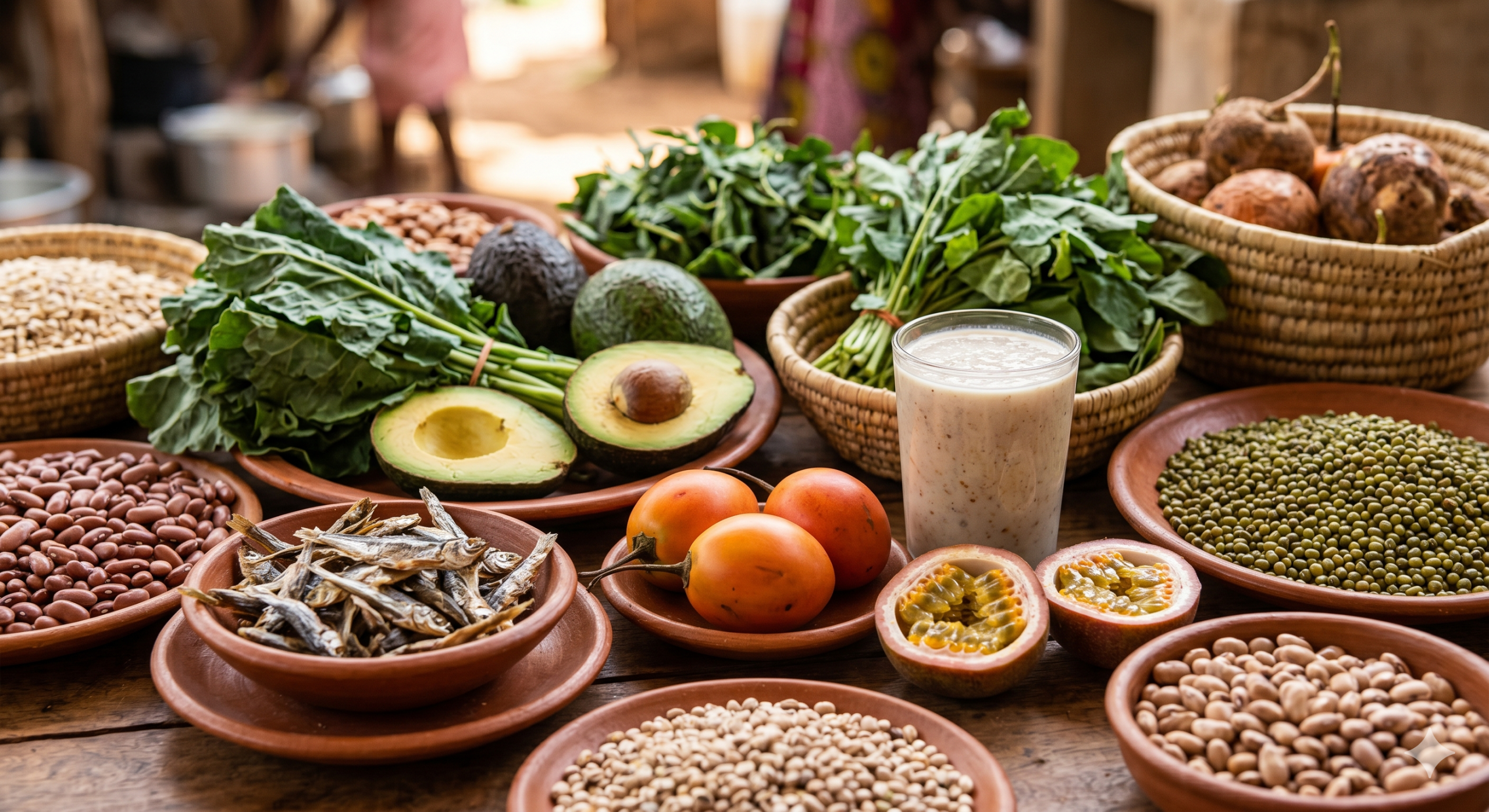
Your forties are not the beginning of decline. But they are a turning point. Bone density starts to shift. The heart needs a little more looking after. Brain fog becomes a real, if inconvenient, acquaintance. Metabolism slows. And what you eat begins to matter in a way that is harder to ignore.
The reassuring part is that the foods with the strongest evidence for slowing these processes are not exotic or expensive.
A 2022 review published in the journal Nutrients, drawing on 36 studies, found that diets centred on “vegetables, fruits, nuts, cereals, fish, and unsaturated fats” help reduce cardiovascular disease risk, protect the brain from ageing, and reduce the risk of telomere shortening – the cellular-level marker tied to how fast we age.
Most of those foods exist right here in Kenya, and in forms that most families can access.
What to eat for your brain and heart
Omena, the small dried fish sold at markets across the country, is one of the most affordable sources of omega-3 fatty acids available to Kenyans.
A 2025 review in Nutrients, examining dietary patterns in middle-aged and older adults, found that the Mediterranean dietary approach (built largely on oily fish, leafy greens, legumes, and whole grains) showed “the most consistent cognitive benefits, including improved memory and processing speed,” and could potentially delay cognitive ageing by up to 3.5 years.
Tuna and sardines, available canned in most supermarkets, carry similar benefits.
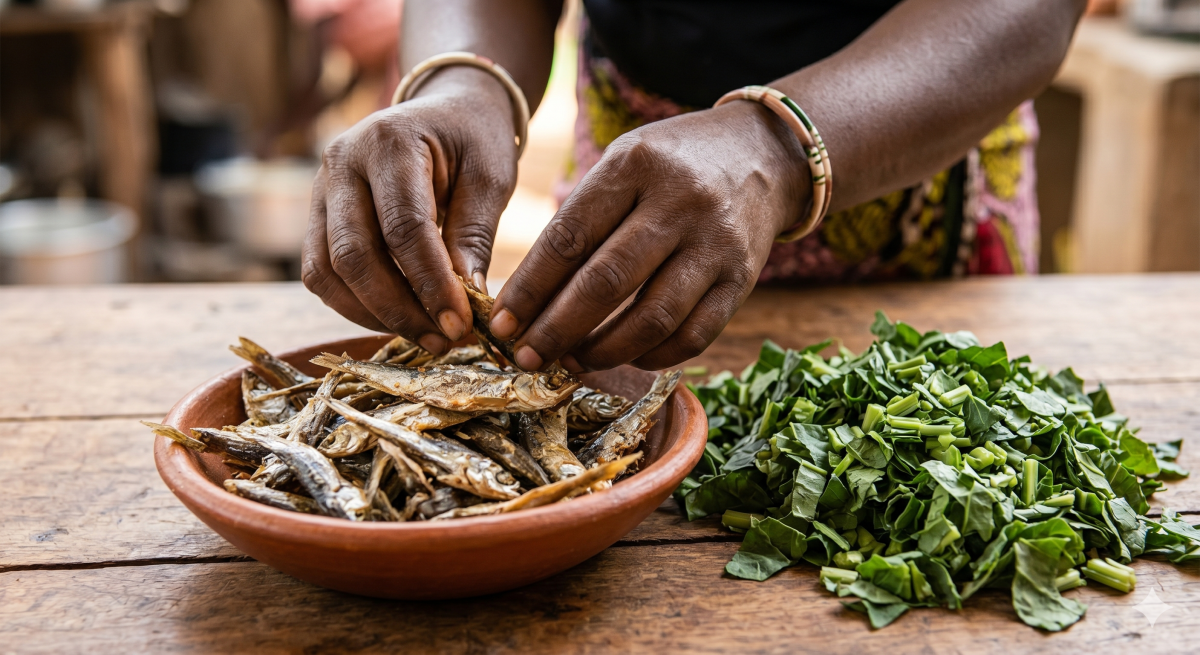
Dark leafy greens (sukuma wiki, terere, and managu) deliver folate, vitamin K, and calcium: nutrients tied to both brain function and bone health.
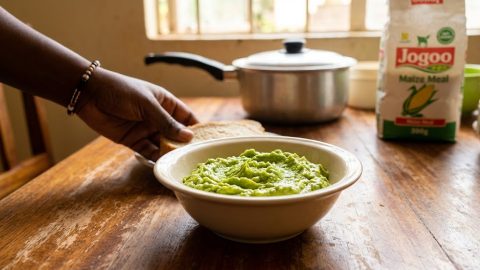
Avocado, grown abundantly in Kenya, provides heart-healthy monounsaturated fats and potassium, both of which support blood pressure regulation past 40.
Beans and legumes (njahi, lentils, green grams) are slow-burning carbohydrates that help maintain metabolic stability. They release energy gradually, which keeps blood sugar from spiking and supports the kind of consistent energy that becomes harder to maintain in middle age.
Whole grains and the case for wimbi
Refined carbohydrates are particularly hard on the body after 40. Replacing white rice and white bread with whole grains (finger millet (wimbi), sorghum, oats) helps the body manage insulin sensitivity, which tends to decline with age.
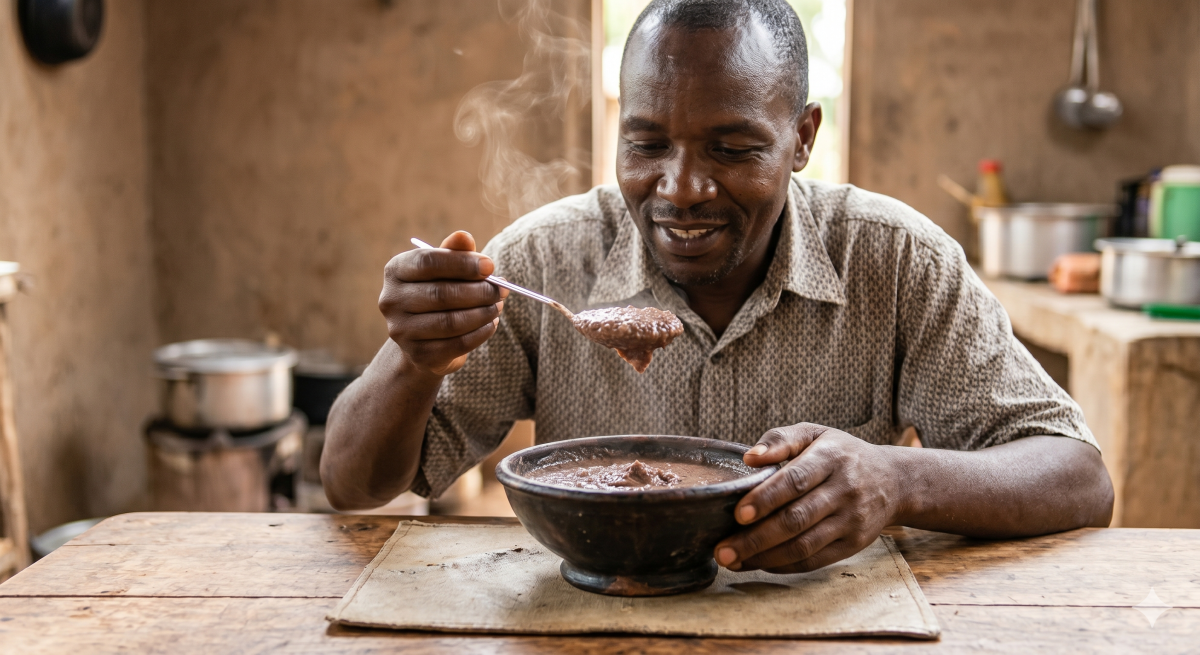
Wimbi porridge, long eaten as a breakfast staple in many Kenyan homes, turns out to be nutritionally well-placed. It is high in calcium, magnesium, and iron, making it useful not just for metabolic health but for bone density, something women in particular need to begin thinking about well before menopause.
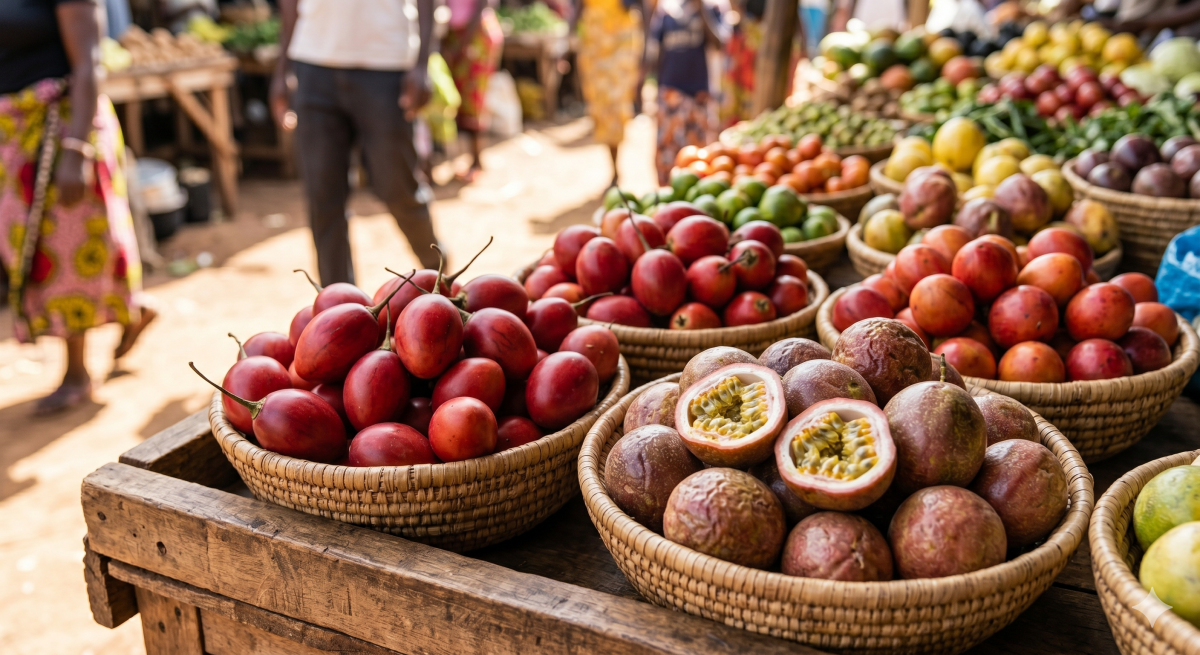
Passion fruit, guava, and tree tomatoes (fruits found in abundance across Kenyan markets) provide antioxidants that help counter oxidative stress, one of the underlying drivers of age-related disease.
More fish, more greens, more legumes, more whole grains. Less ultra-processed food. The foods that help the body age well, it turns out, are largely the ones that Kenyan grandmothers have been eating for decades.