Advertisement
Super tasters: Trait that makes 1 in 4 people more perceptive to sharp flavours
19th June, 2026 12:59 PM
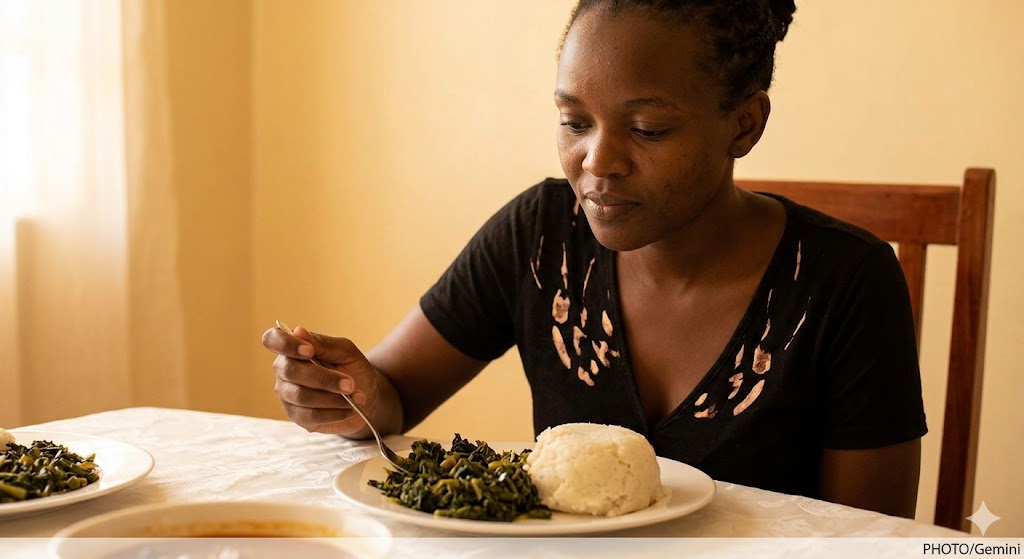
Ever sat at a dinner table and wondered how someone is genuinely enjoying a plate of bitter greens while you can barely stand the taste?
It turns out that picky eating is often not a behavioural issue at all. It is actually down to genetics.
The way people experience daily meals comes down to how our tongues are wired from birth.
The DNA behind your taste buds
The secret behind this food divide is a specific gene called TAS2R38. This gene decides how our bodies perceive bitter chemicals in food.
Around 25 per cent of people across the world carry a version of this gene that makes them super-tasters. These individuals have a much higher density of taste buds on their tongues, meaning they experience bitter flavours with extreme intensity.
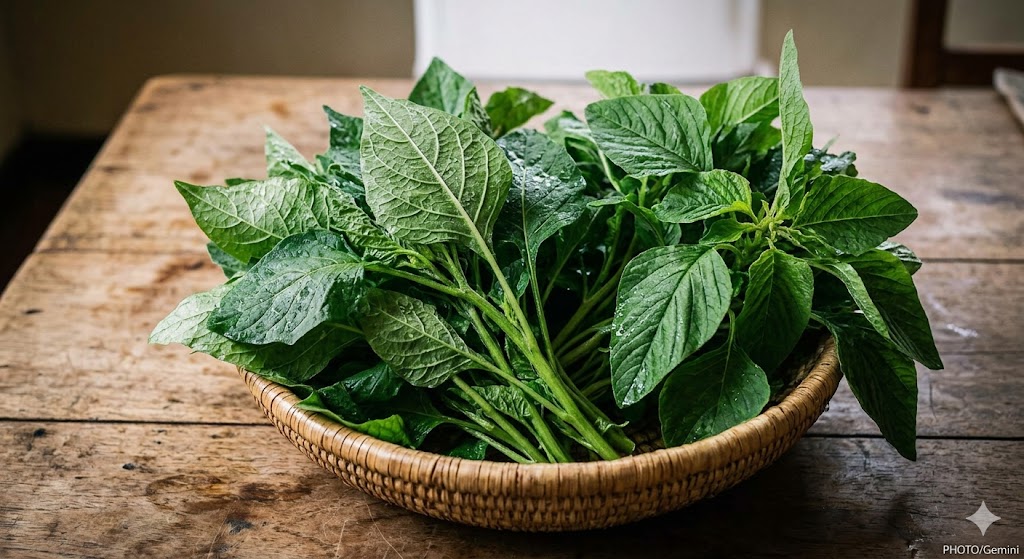
What tastes like a mild, earthy green to one person feels like a harsh shock to a super-taster.
This is not a matter of opinion, as it is backed by hard science. A peer-reviewed study on taste genetics published by the National Institutes of Health confirms that “individuals with at least one copy of the PAV allele perceive molecules in vegetables that resemble PROP as tasting bitter, and consequently may develop an aversion to bitter vegetables.”
For a quarter of the population, avoiding certain greens is a biological reflex.
How this changes the Kenyan plate
In Kenya, this genetic difference changes exactly how we view everyday staples. Take sukuma wiki or traditional vegetables like managu and terere. While a regular taster might eat them with just a pinch of salt, a super-taster finds the natural compounds in these greens metallic and completely unpalatable.
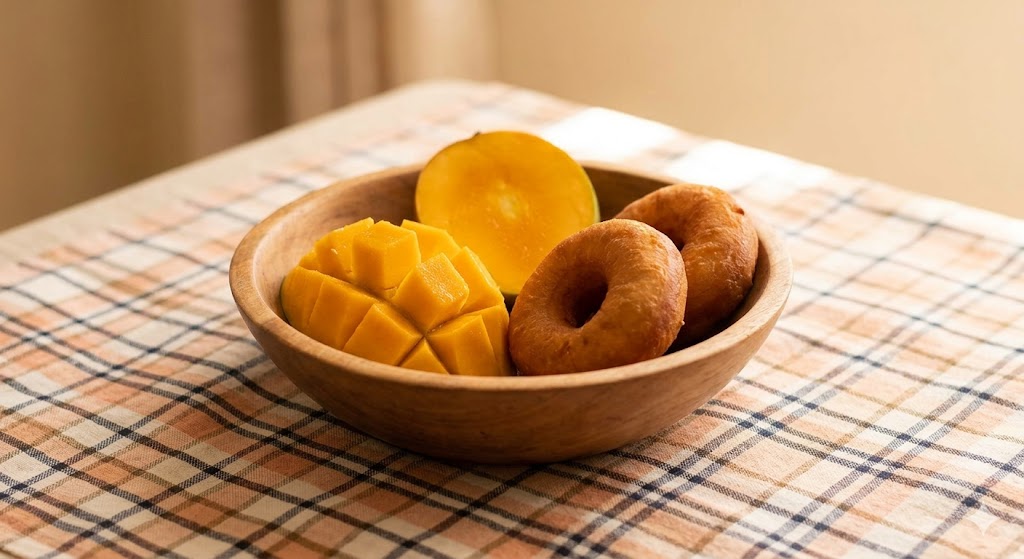
The exact same thing happens with a cup of strong black tea or a piece of dark chocolate. Super-tasters find the natural tannins in tea leaves and the raw cacao in dark chocolate completely overwhelming, often needing to add a lot of sugar or milk just to make it drinkable.
Because of this, super-tasters eat differently from everyone else.
They naturally steer clear of cruciferous vegetables, black coffee, and dry alcoholic drinks. Instead, they choose milder, sweeter, or saltier foods that do not trigger their sensitive tongues.
How our food tastes depends on our DNA too.