Advertisement
How to pick the sweetest passion fruit at your local market
12th August, 2026 09:02 PM
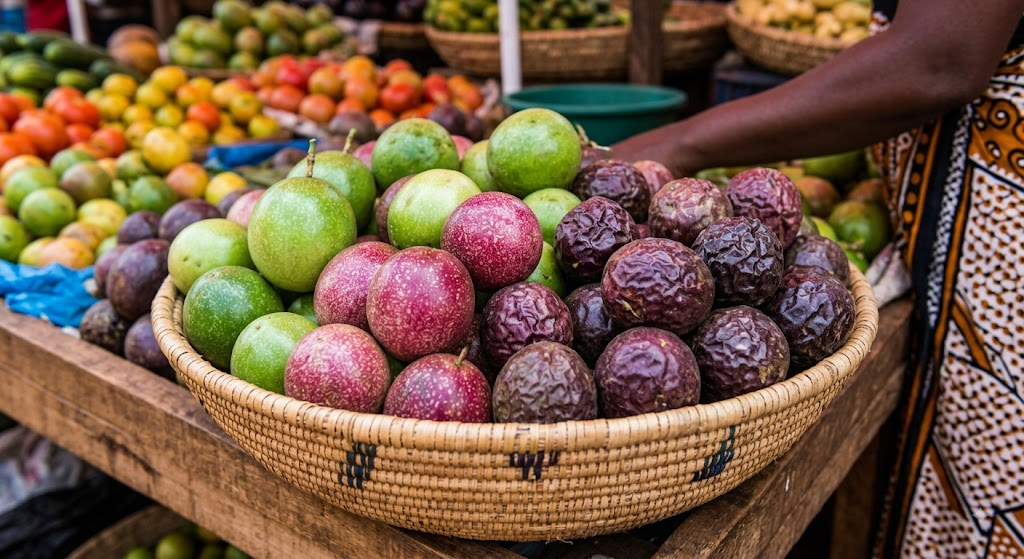
When walking through open-air markets across Kenya, vendors pile passion fruit in big baskets, ranging from smooth green ones to dark purple, wrinkled ones.
Smooth skin might look fresh on the stall, but it often hides sour, unripened pulp inside. Getting the sweetest fruit for fresh homemade drinks comes down to three basic things: skin colour, fruit weight, and surface wrinkles.
Wrinkled skin and dark colour mean more sugar
As passion fruit ripens on the vine, the outer skin changes from bright green to deep purple or bright yellow, depending on the variety. After harvesting, the fruit keeps ripening and slowly loses small amounts of water through its protective shell.
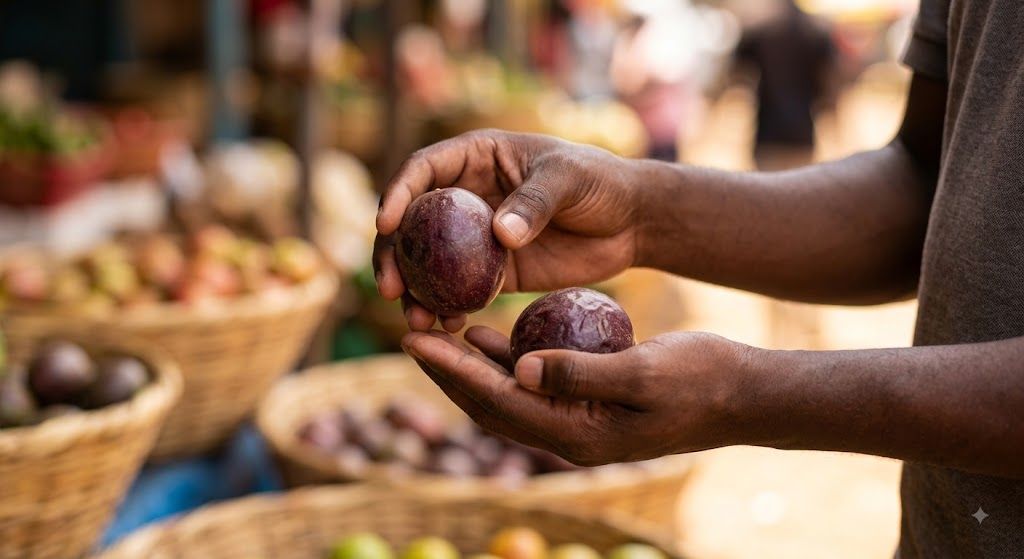
This natural water loss causes the skin to dimple and shrink slightly. Rather than a sign of bad fruit, light wrinkling actually confirms that the natural sugars inside have concentrated, giving a sweeter taste with less sharpness for your juices.
In a scientific research review on fruit quality factors published in Agronomía Colombiana, researchers explained that “the maturation and ripening of passion fruit is determined by the skin coloration, during which the Brix grades and the maturity index increase and the titratable acidity diminishes.”
Higher Brix levels simply mean higher natural sugar content, while lower acidity creates a much sweeter juice.
Heavy fruits give you the most juice
Weight is another reliable test for quality when shopping at your local market stall. A passion fruit that feels heavy for its size is packed with seeds and fresh liquid inside.
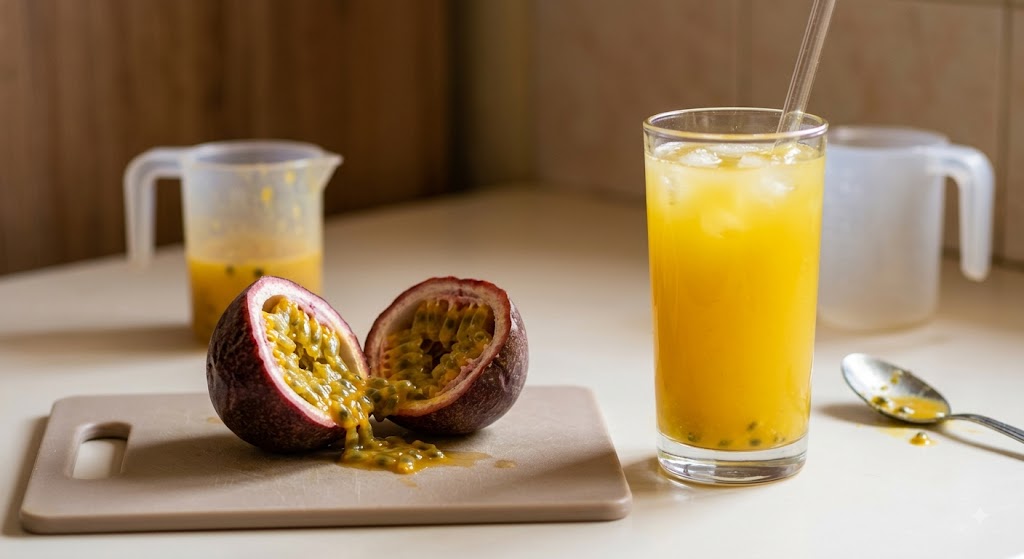
Lighter fruits, even when dark purple, usually have empty air pockets or dried pulp that yield very little liquid when squeezed.
Kenyan shoppers looking to get good value for their money, whether spending Ksh100 on a small pile or buying in bulk, can use a quick two-step test at the market.
First, pick up two fruits of similar size and choose the heavier one to get maximum liquid. Second, pick dark purple fruits with gentle dimples rather than completely smooth ones.
If you buy smooth, firm fruits, leave them on your kitchen counter at room temperature for two to three days until wrinkling starts, ensuring maximum sugar development before making your fresh juice.