Glycaemic index: What it means in nutrition
By Dan Kauna, July 16, 2026Food is the heart of Kenyan culture. People gather over plates of warm ugali, chapati, and steaming stews. But as lifestyle conditions like type 2 diabetes become more common across the country, we are forced to pay closer attention to what we eat.
You have probably heard health experts talk about the glycaemic index, often shortened to GI. While it sounds like a complex scientific term, understanding it can completely change how you feel after a meal.
How different foods affect your blood sugar
The glycaemic index is simply a scale from 0 to 100 that ranks carbohydrate foods based on how quickly they raise your blood sugar levels.
High-GI foods, which score 70 or above, break down rapidly during digestion. This causes a sudden spike in blood glucose, giving you quick energy that is quickly followed by a heavy crash, leaving you feeling tired and hungry again. Refined white ugali, white bread, and highly processed breakfast cereals fall into this category.
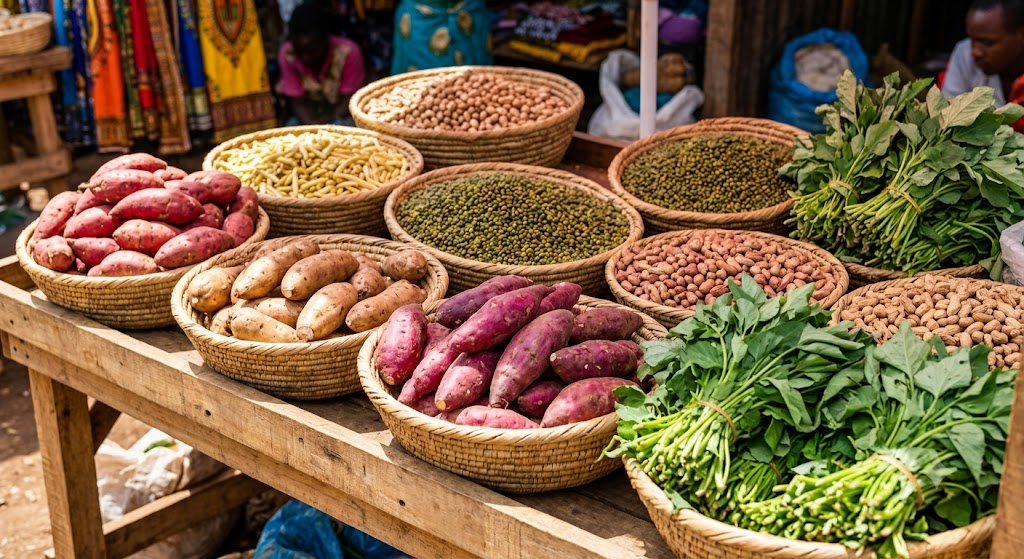
Low-GI foods score 55 or below. These digest slowly, releasing sugar into your bloodstream at a steady, gradual pace. This keeps your energy levels stable and helps you stay full for longer.
Traditional Kenyan options like sweet potatoes, arrowroots (nduma), beans, and green grams (dengu) are excellent examples of low-GI foods. For diabetics or those at risk, choosing these foods is crucial for managing daily blood sugar levels.
Simple ways to balance the Kenyan plate
Does this mean you must completely abandon white ugali or chapati? Absolutely not. For many Kenyans, completely switching to brown millet or whole grain options is not always practical or affordable, especially when a packet of refined maize flour is much cheaper than specialized healthy flours.
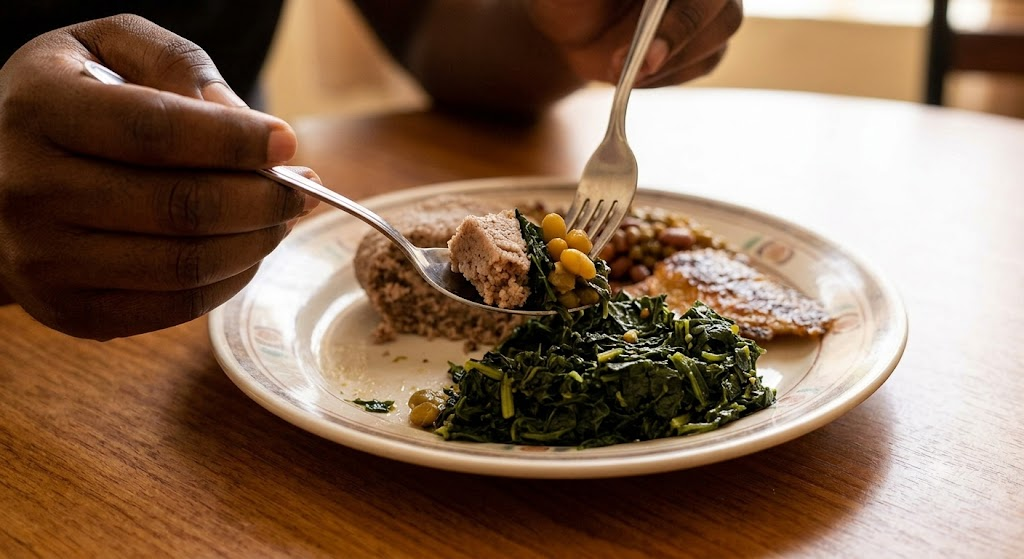
Fortunately, you do not have to change your entire diet to stay healthy. It is all about how you combine your food. A study published in the journal Nutrients points out that “either reducing the amount of carbohydrate in a meal or increasing consumption of soluble fiber has a favorable effect on postprandial glucose excursions”.
In simple terms, you can dramatically lower a meal’s impact on your blood sugar by adjusting your portions and adding soluble fibre. Instead of eating a mountain of white ugali with a small side of cabbage, try reducing the ugali portion.
Fill half your plate with traditional vegetables like managu or sukuma wiki, and add a source of protein like beans or fish. This simple combination slows down digestion, keeping your blood sugar stable without stretching your budget.