Advertisement
What happens to your body when you stop eating processed food for 30 days?
28th May, 2026 09:09 AM
You already know processed food is not great for you. But what actually changes inside your body, when you stop eating it?
Ultra-processed foods (instant noodles, packaged biscuits, flavoured crisps, sausages, sodas, most ready-made breakfast cereals) are engineered with emulsifiers, refined sugars, and excess sodium that disrupt how your body regulates hunger, digestion, and energy.
Remove them, and your system begins responding faster than most people expect.
The first two weeks: gut and energy
The earliest noticeable change is reduced bloating.
The emulsifiers and high sodium in ultra-processed foods drive water retention and gas in the gut.
As these additives clear your system (typically within the first week) digestive discomfort settles. Research indicates the gut microbiome begins shifting in composition within a few days of significant dietary change.
Energy is also in flux during this period. Days three to five often bring headaches, fatigue, and irritability as your blood sugar stabilises after the repeated spikes and crashes that refined carbohydrates produce.
By the end of week two, this settles into something steadier – consistent energy throughout the day without the mid-afternoon slump.
Weeks three and four: skin, sleep, and cravings
The changes that take longer tend to be the most satisfying.
Skin clarity and texture often begin improving noticeably in weeks three and four – not coincidentally, since the skin’s natural renewal cycle takes approximately 28 days.

A lower glycaemic diet reduces the insulin spikes that trigger excess sebum production and inflammation. Sleep quality also tends to improve during this window.
A 2024 review published in the BMJ, drawing on data from nearly 10 million participants across 45 analyses, found a direct link between higher ultra-processed food consumption and adverse sleep outcomes.
Cravings soften too, as the brain’s dopamine reward system recalibrates without the hyperpalatable stimulation of engineered food.
A randomised controlled trial by Hall and colleagues, published in Cell Metabolism, found that participants switching to an unprocessed diet spontaneously reduced their calorie intake by roughly 500 kilocalories per day — with the authors concluding that “limiting consumption of ultra-processed foods may be an effective strategy for obesity prevention and treatment.”
What to eat instead – affordably
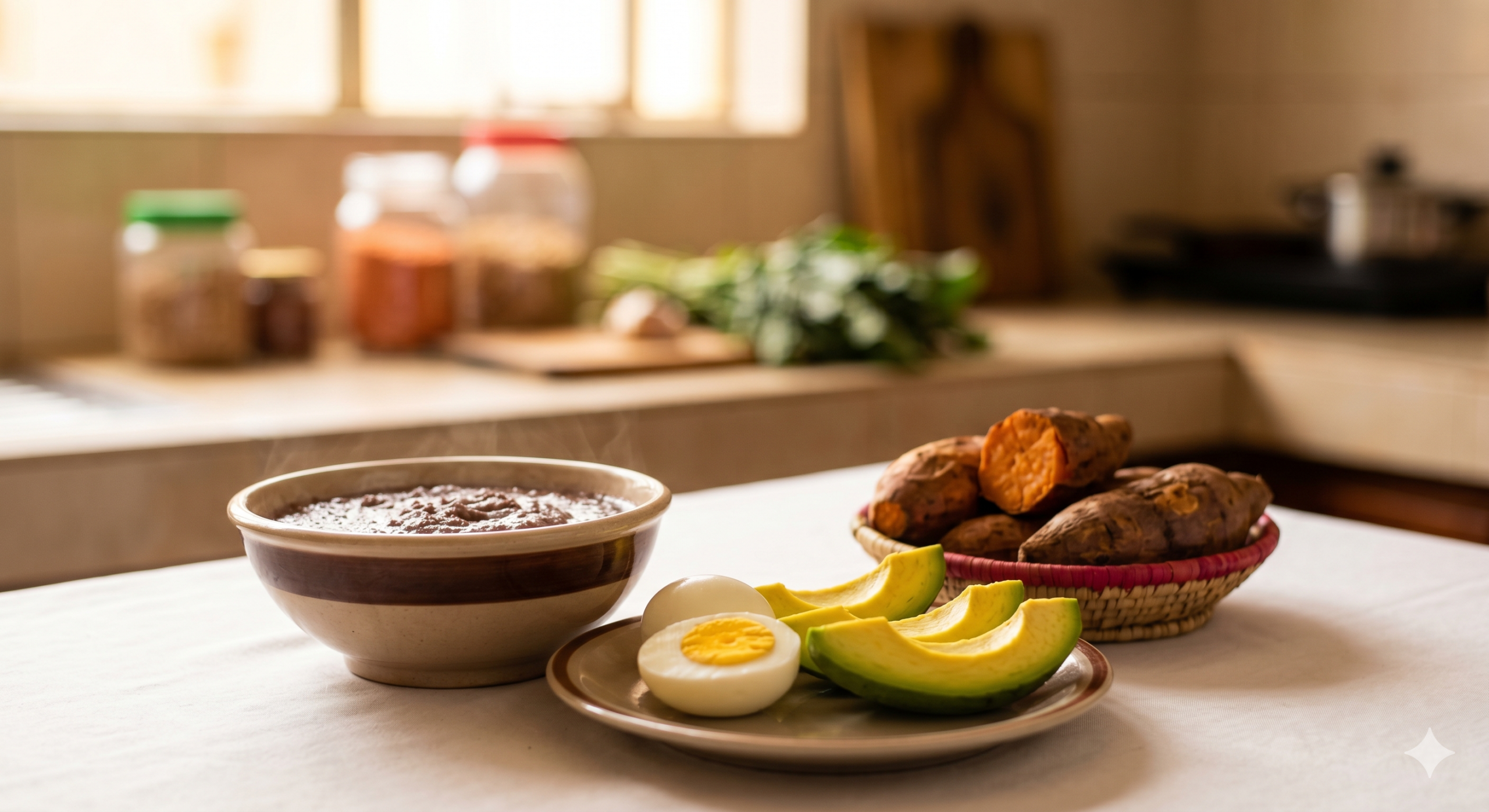
An expensive overhaul is not required. Uji wa wimbi instead of packaged breakfast cereal.
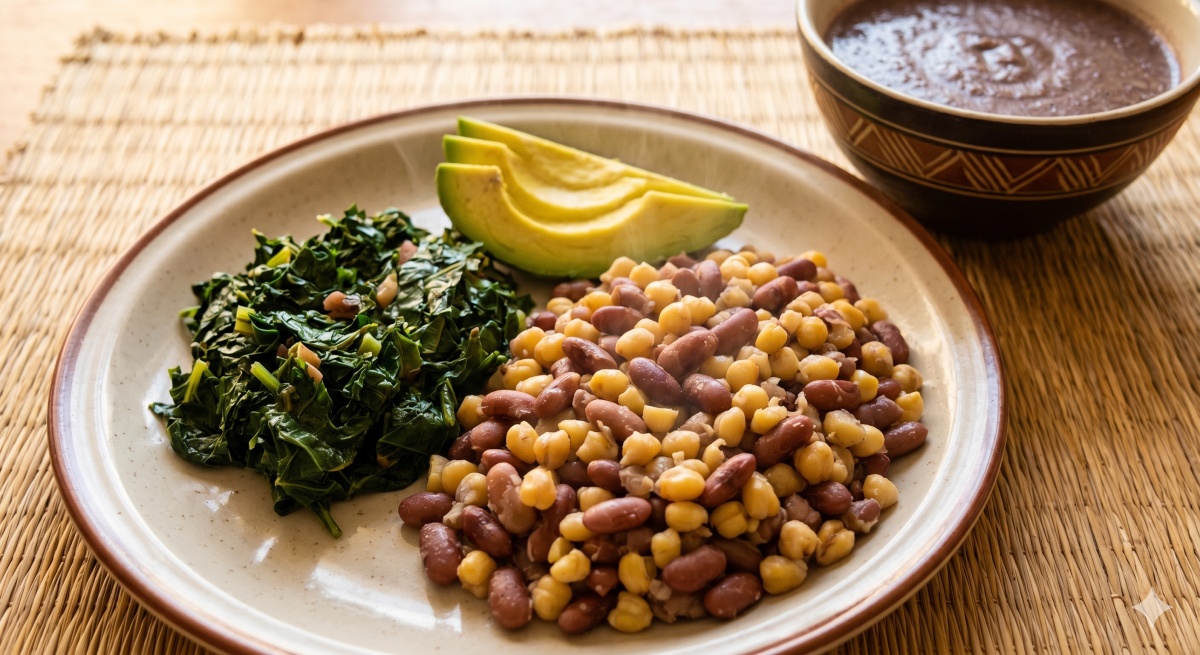
Boiled eggs and avocado over processed sausages. Sukuma wiki, managu, or terere in place of tinned sauces.
Whole fruit rather than juice. Beans, lentils, or dengu as your protein. Sweet potatoes or arrowroots as snacks instead of crisps.
In most Kenyan kitchens, these alternatives have always been there. You may just need to reach for them first.