Advertisement
Kenyan foods that are better for you than their global alternatives
20th May, 2026 06:31 PM
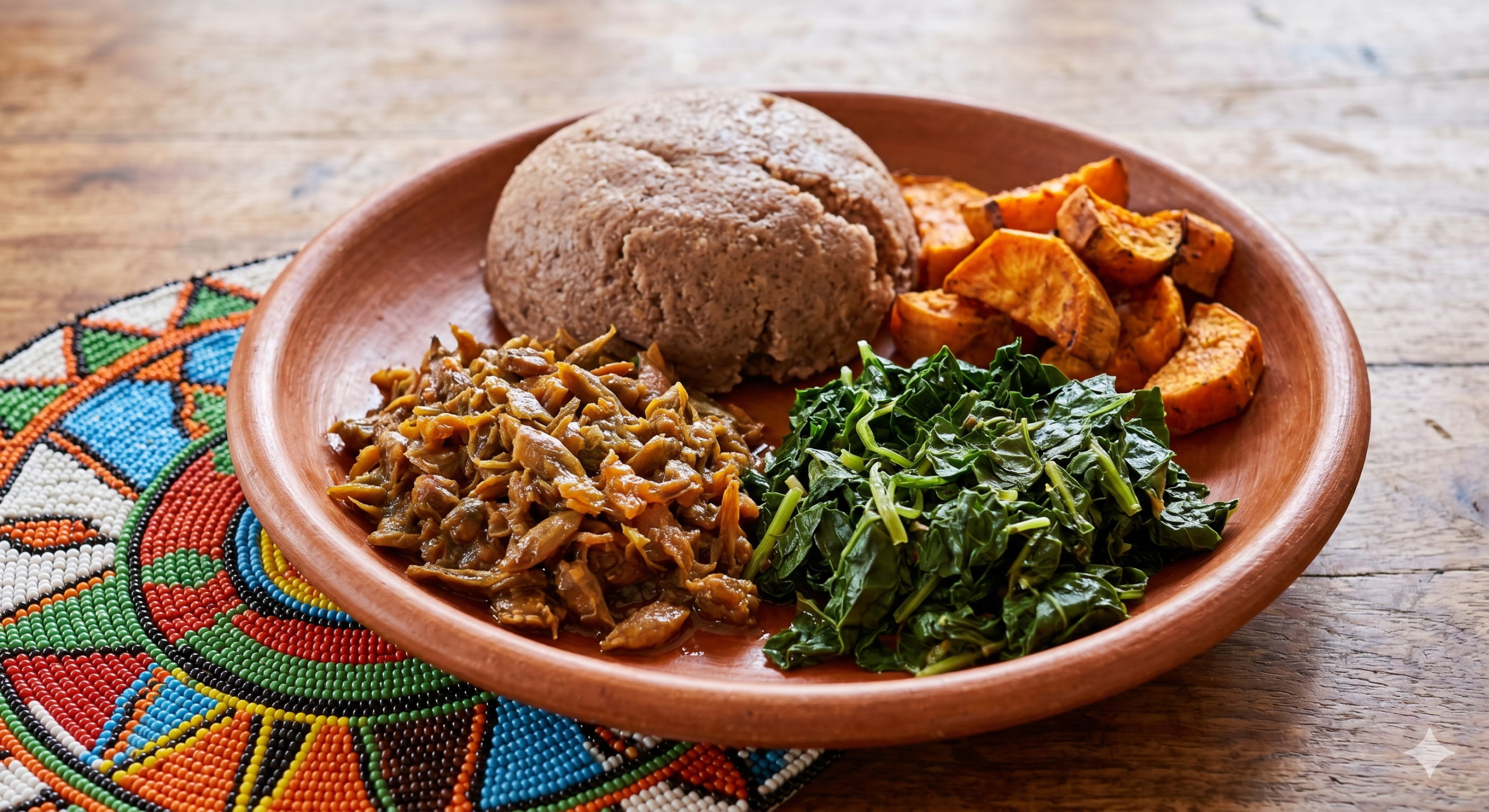
The next time someone tries to sell you the idea that eating well means eating foreign, point them to your plate.
There is a quiet confidence in the Kenyan kitchen that nutrition science is slowly catching up with.
The staples that have fed families for generations, often dismissed as “rural” or plain compared to imports, hold their own and then some, against the glossy alternatives filling supermarket shelves.
From the fridge: mursik and omena
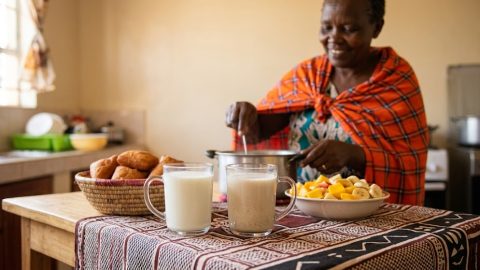
Mursik, the fermented milk traditionally prepared in a gourd by Kalenjin communities, is increasingly drawing the attention of food scientists.
A study by researchers at Egerton University, published in the International Journal of Nutrition and Metabolism, found that “the probiotics in mursik, a traditionally fermented milk product have significant potential against enteric and environmental pathogens that are of public health concern.”
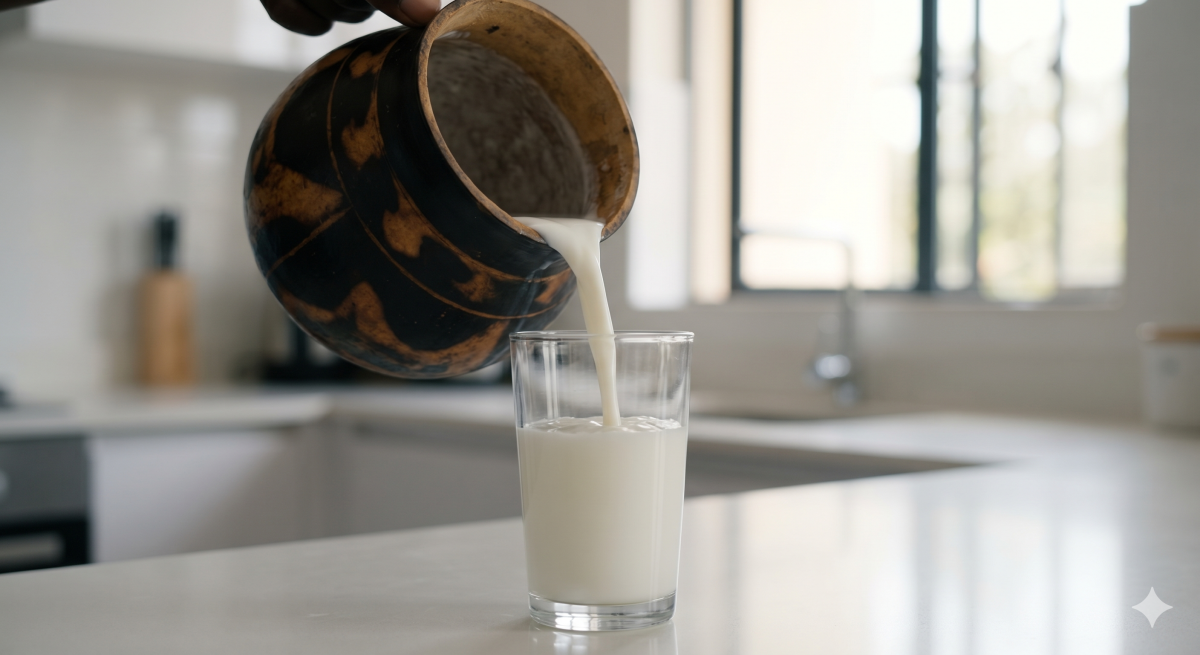
Commercial yoghurt relies on a narrow set of starter cultures; mursik gets its richness from spontaneous fermentation, producing a broader and arguably more resilient range of lactic acid bacteria.
Then there is omena, the small silver cyprinid from Lake Victoria.
Farmed Atlantic salmon, the variety stocked in most upmarket Nairobi outlets, has seen a marked fall in omega-3 content over the past two decades.
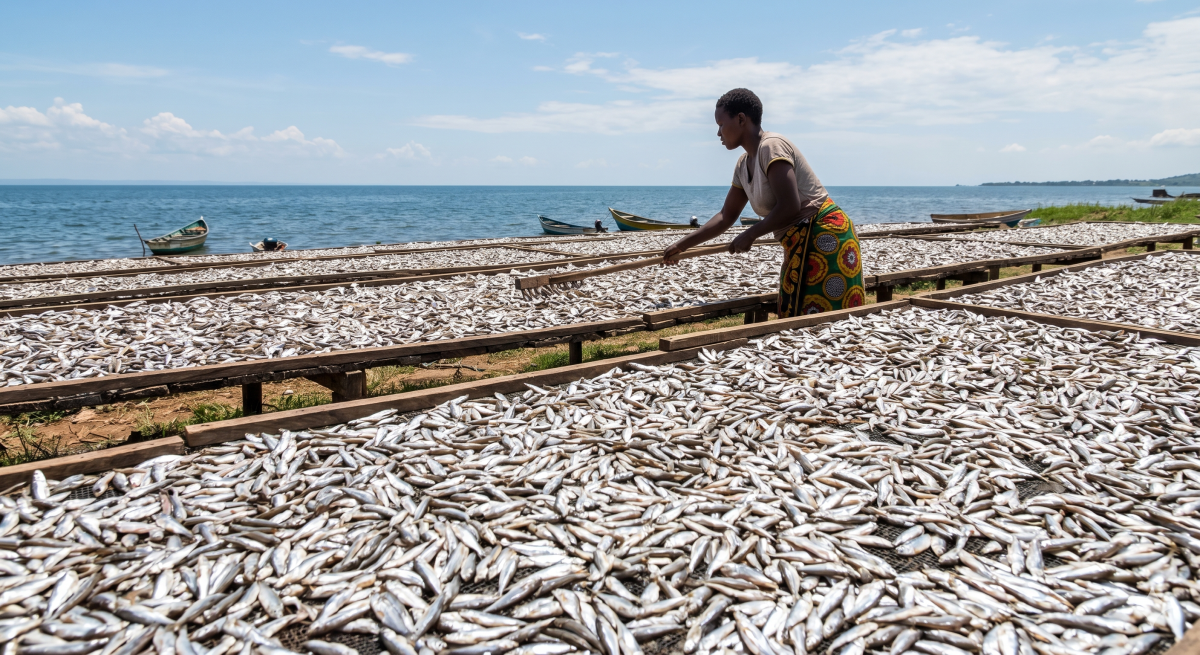
A peer-reviewed study by University of Stirling researchers found that the shift toward plant-based feeds in salmon farming has so significantly reduced EPA (Eicosapentaenoic Acid) and DHA (Docosahexaenoic Acid) levels that consumers now need double the portion size, compared to 2006, to get the same omega-3 benefit.
Omena, eaten whole with its soft bones, delivers omega-3 fatty acids, calcium, iron, and vitamin B12 in one affordable serving, and it has not been farmed into nutritional decline.
From the shamba: viazi vitamu and sukuma wiki
Sweet potatoes carry a glycaemic index of roughly 44 to 64, depending on cooking method, against the white potato’s score of 73 to 87.
The beta-carotene that gives the orange variety its colour is both a potent antioxidant and a precursor to vitamin A, a nutrient many Kenyan diets remain short on.
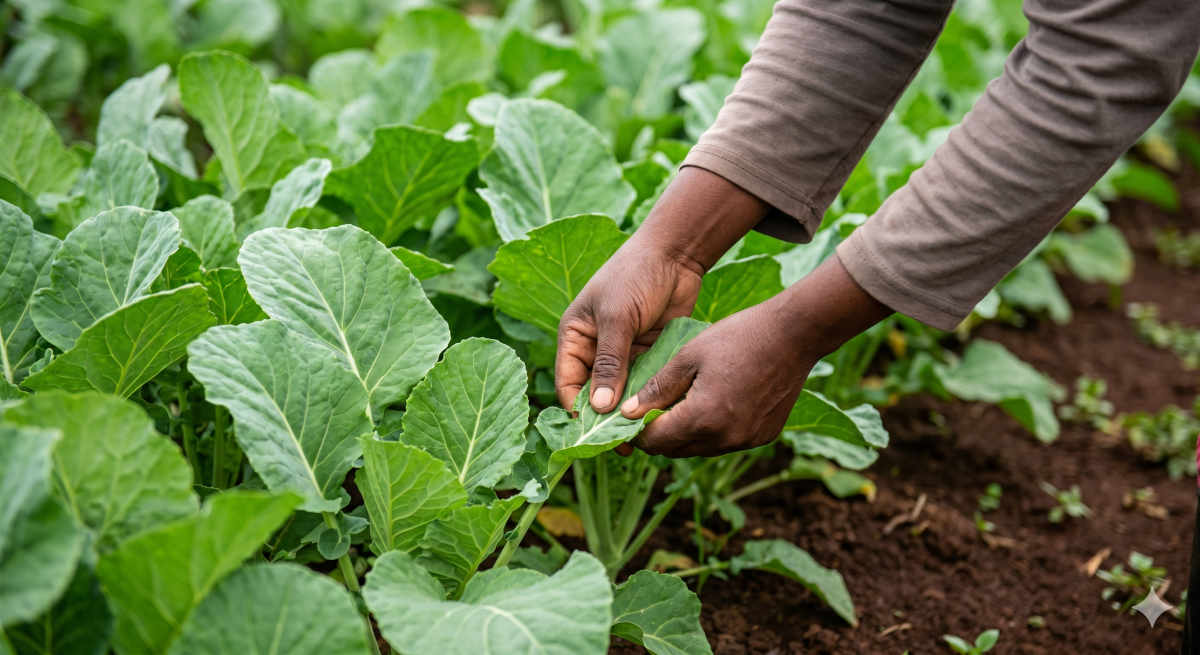
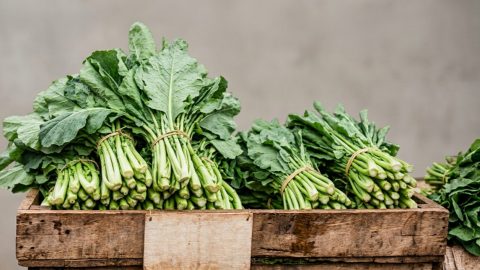
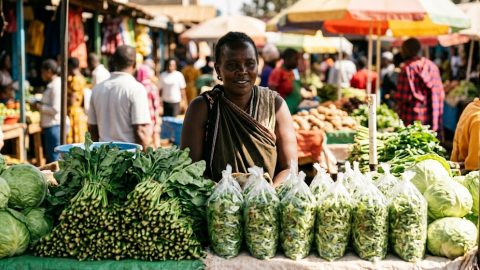
And sukuma wiki? A 2025 study published in Nutrients found that African leafy vegetables “are generally health-beneficial foods as they contain natural antioxidant compounds, vitamin C, carotenoids and polyphenols” – a nutritional profile that iceberg lettuce, at roughly 96 per cent water, simply cannot match.
None of this requires a nutritionist’s prescription. The food is already there, already familiar, and more often than not, cheaper than the imported version. The Kenyan kitchen has always known what it was doing.