Advertisement
How charcoal-wood smoke preserves traditional Mursik
23rd July, 2026 07:34 AM
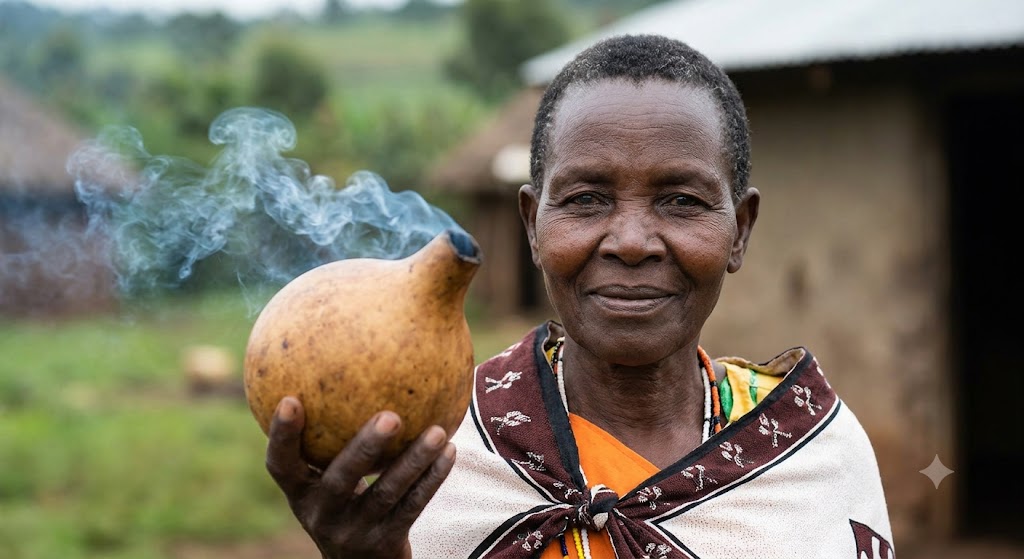
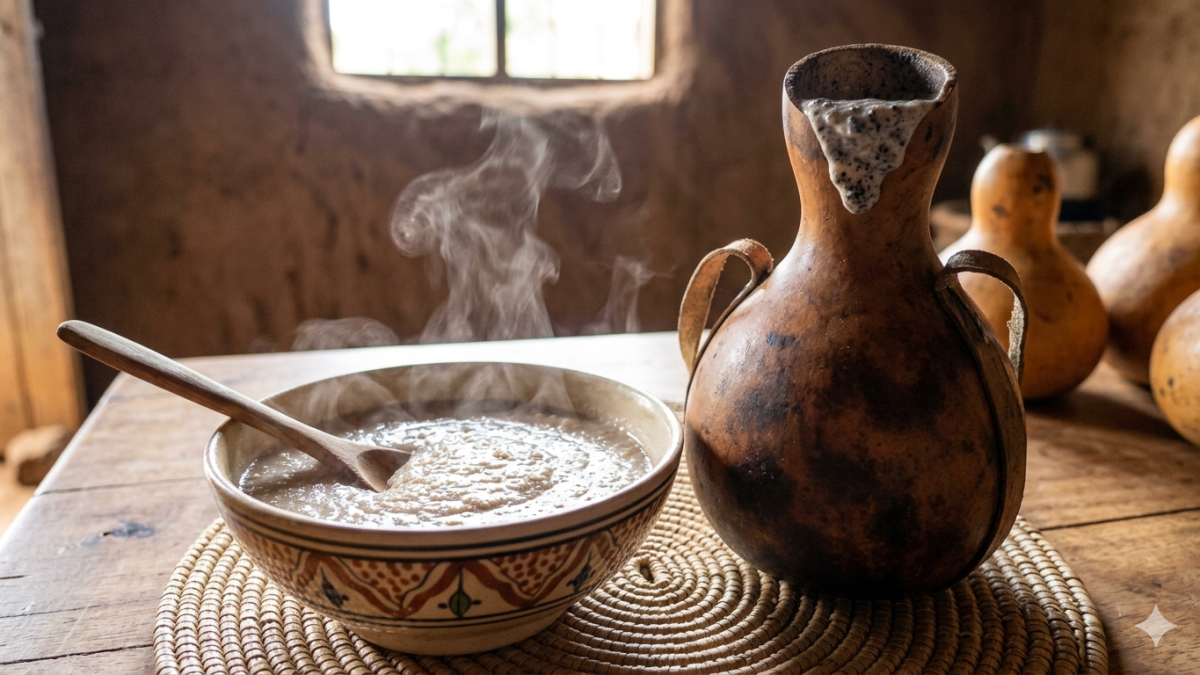
Long before modern electric refrigerators arrived in rural Kenyan homes, pastoral communities in the Rift Valley had already mastered milk preservation. Their answer was mursik, a traditional fermented milk drink known for its thick texture and distinct smoky flavour.
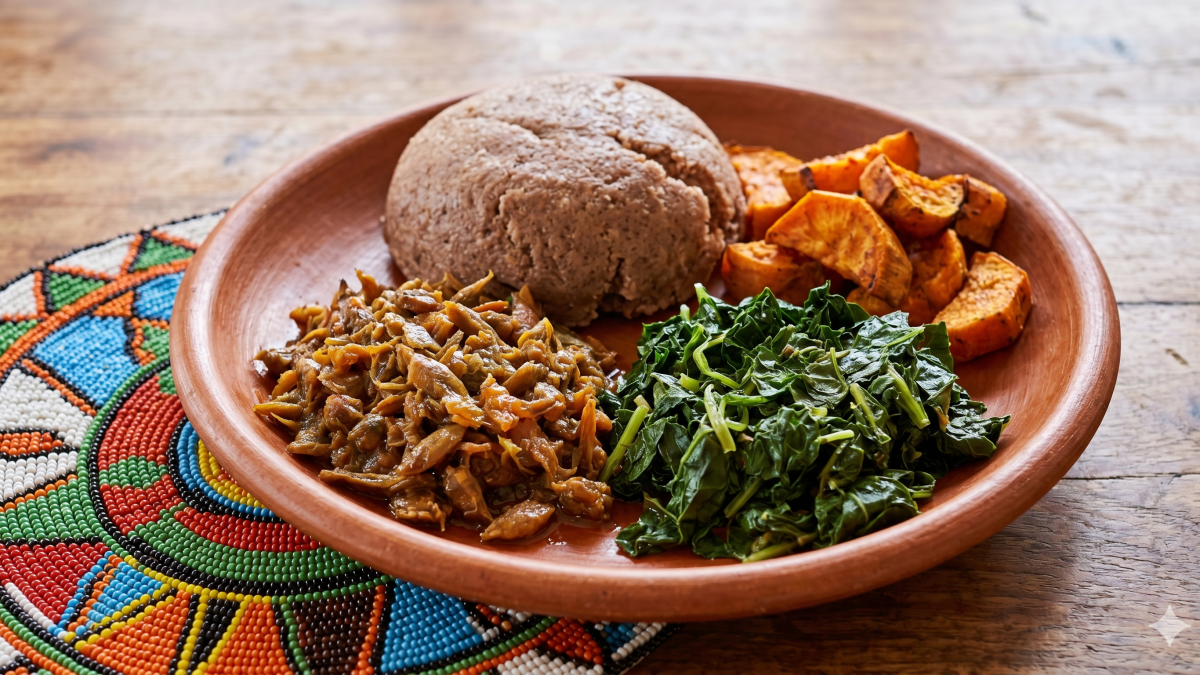
While many enjoy mursik as a staple meal companion alongside ugali, its long shelf life relies on natural biochemistry inside the fermenting gourd.
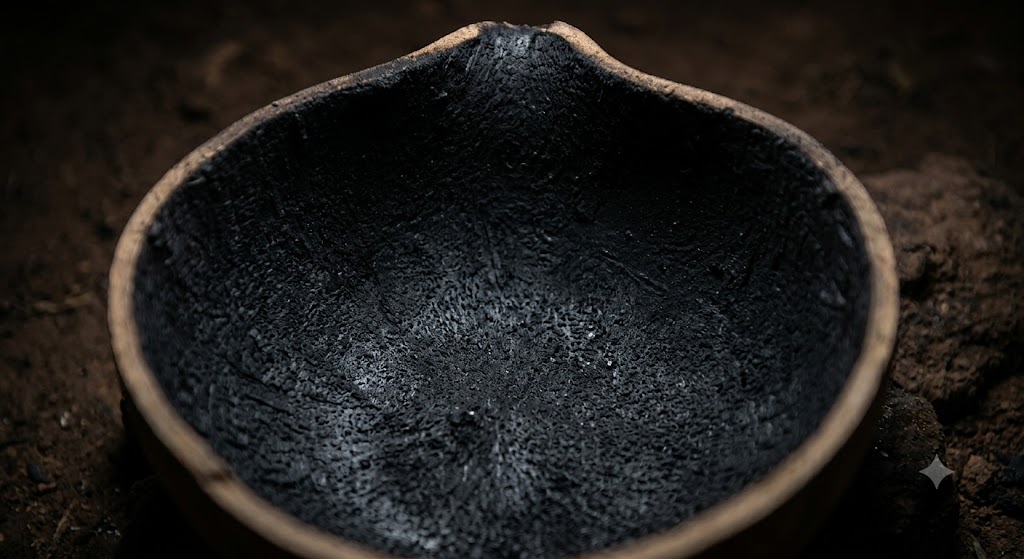
Preparing mursik starts with cleaning a traditional gourd, known locally as a sotet. A maker takes glowing embers from specific hardwood trees, most notably senetwet (Senna didymobotrya), and rubs them firmly against the inner walls.
This process coats the interior with fine charcoal particles alongside active plant extracts.
How wood smoke cleans the gourd
The black charcoal layer does much more than give mursik its signature colour and aroma. When glowing embers of senetwet touch the gourd wall, heat and bioactive plant compounds called polyphenols are released.
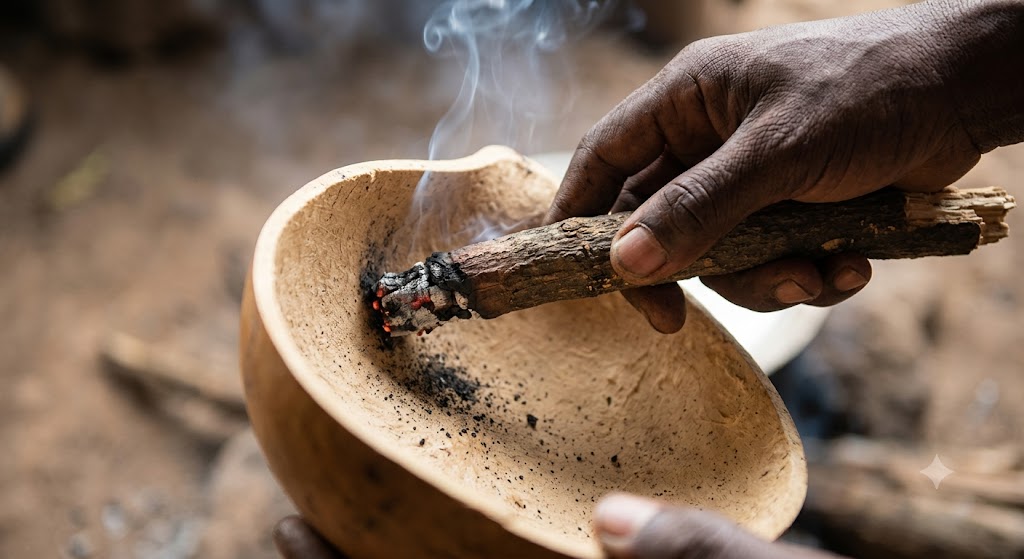
These chemicals act as natural sanitising agents that eliminate harmful bacteria and mould spores before fresh milk is poured inside.
In a study on traditional Kenyan dairy published in the African Journal of Food Science, researcher John Masani Nduko observed that “the purpose of using the burnt stick is to improve the flavor of Mursik, pasteurize the gourd, and the coloring of Mursik.”
Charcoal is also highly porous. It absorbs volatile organic compounds, neutralising any unpleasant odours or bitter plant notes from the fresh calabash walls.
Why good bacteria take over
Once fresh milk is boiled, thoroughly cooled, and poured into the treated gourd, fermentation begins. The charcoal lining creates a controlled environment that suppresses pathogenic microbes while encouraging friendly lactic acid bacteria to thrive.
Bacteria such as Lactobacillus plantarum feed on milk lactose, converting it into lactic acid.
As acidity levels rise, milk proteins curdle and thicken into smooth curds. This natural acidity prevents spoilage bacteria from growing, allowing mursik to stay safe for consumption at room temperature for several weeks.
This age-old technique demonstrates how traditional African food preparation solved food safety challenges using plant chemistry long before artificial preservatives were invented.