Advertisement
Common baby weaning mistakes new parents should avoid
24th June, 2026 12:45 AM
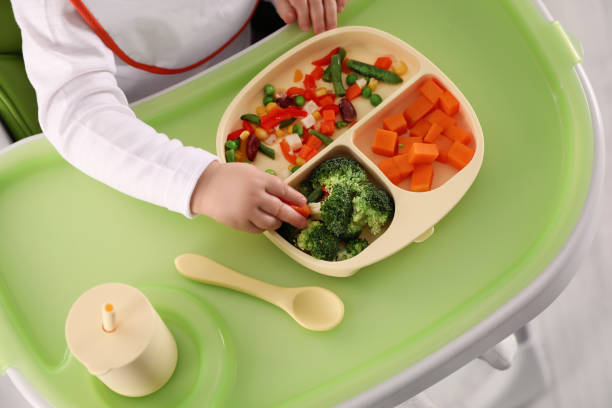
Starting a baby on solid foods is an exciting milestone, but it can also be overwhelming for new parents.
Weaning marks the beginning of a child’s journey toward independent eating, and while there is plenty of advice available, it’s easy to make mistakes along the way.
Understanding what to avoid can make the process smoother, safer, and more enjoyable for both parent and baby.
Starting too early (or too late)
Many parents feel the pressure of starting solids early maybe because someone says the baby seems hungry, or you’ve heard the weaning myth that more food means better sleep for your baby. But starting too early can increase the risk of choking and digestive issues.
So when is the best time to start weaning? The World Health Organisation (WHO) recommends that infants should be given solid foods around 6 months of age.
Signs that suggest your baby is ready for solids include: sitting up with minimal support, good head control, and showing interest in what you’re eating.
On the flip side, waiting too long, especially after 6 months, may make the transition harder and lead to nutritional deficiencies in your baby.
Giving up too fast
It can be frustrating when your baby turns their head, spits out food, or refuses to open their mouth. In those moments it’s easy to feel defeated and tempted to feed them with distractions or even pressure.
On the flip side, some parents stop offering that food all together, assuming their baby doesn’t like it. But both approaches can actually make things harder in the long run.
The truth is, babies often need multiple exposures, sometimes 10 to 15 times, before they feel comfortable trying new foods.
Instead of forcing or giving up, try a middle path, offer the food calmly without pressure. Let your baby explore it at their own pace, even if it means just touching or licking it at first.
Offering the same food on repeat
We all have our go-to baby foods maybe pureed carrots or mashed bananas. But offering the same foods again and again can limit your baby’s palate, make them develop picky eating habits, and can also lead to imbalance in nutrition.
That said, they also should not only be given sweet foods just because they’re more likely to accept them.
To help your baby develop a balanced palate, include a variety of foods from the beginning, different colours, textures, and flavours, such as mashed peas, lentils, broccoli, or plain yoghurt.
Trying to avoid the mess
When it comes to weaning, mess is part of the process and that’s a good thing. Many parents naturally try to keep things tidy. But stopping your baby from making a mess can actually get in the way of learning how to eat.
Babies explore food the same way they explore everything else by looking, touching, squishing, or even throwing it. This hands-on interaction helps them feel more comfortable with new textures, smells, and tastes, which makes them more likely to try and accept new foods.
If cleanup is a concern for you, try to use a waterproof smock or an easy-to-clean feeding mat. That way, your baby still gets to explore freely, and you save some of the stress that comes with messy meals.