Advertisement
Coffee vs matcha: What nutritionists say about the difference
22nd June, 2026 01:50 AM
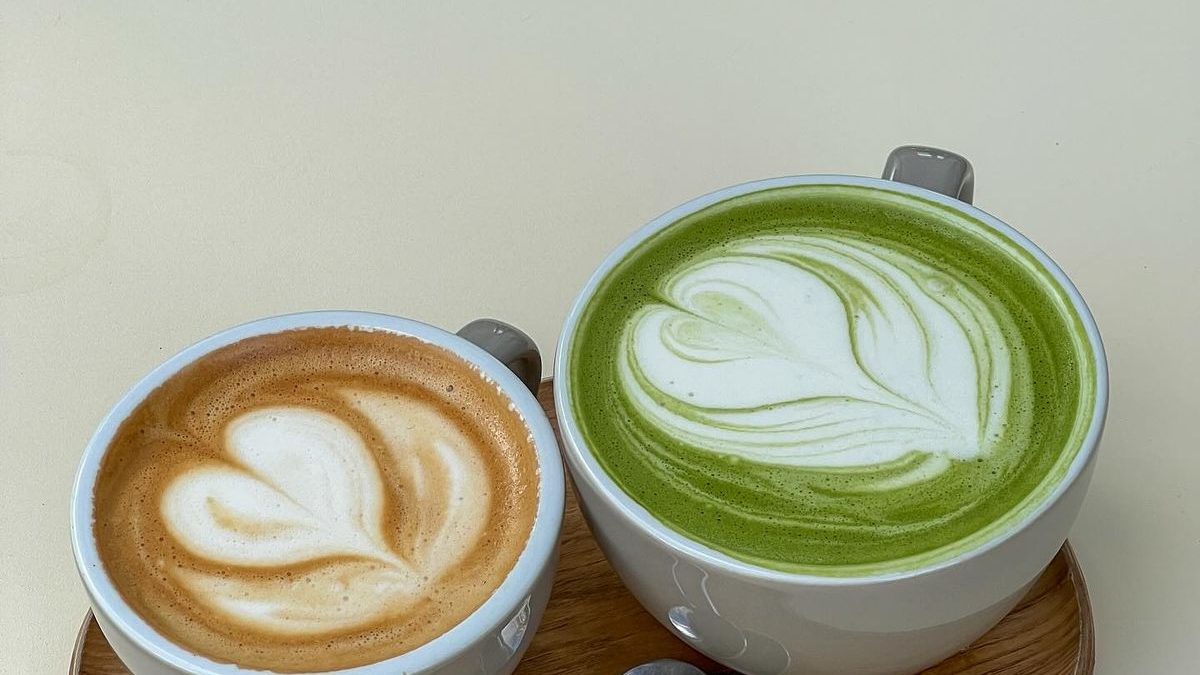
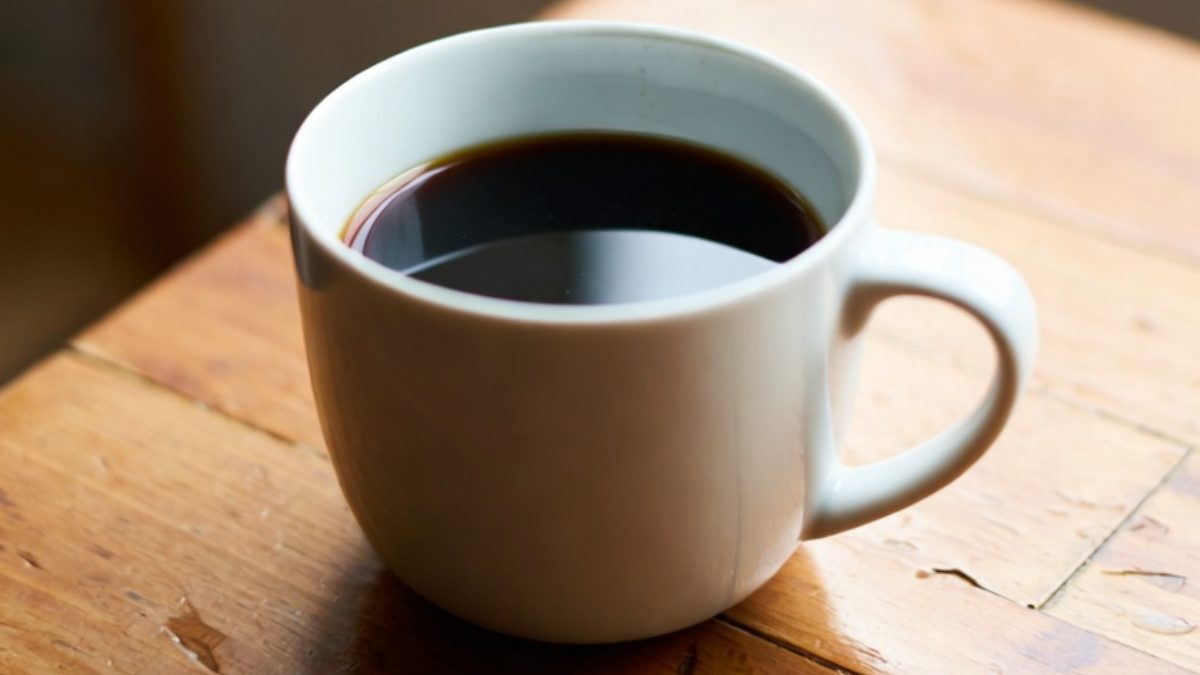
When it comes to popular caffeinated drinks, few comparisons come up as often as coffee and matcha.
Both are loved for their energy-boosting effects, antioxidants, and wellness benefits. However, nutritionists say they work very differently in the body and suit different needs.
Matcha is a powdered type of Japanese green tea whose popularity has been increasing worldwide, while coffee is already one of the world’s most commonly consumed beverages.
You may have heard about the promising health benefits of matcha and wonder how they compare with the proven benefits of coffee.
According to Amy Richter, a registered dietitian who specialises in skin conditions and gut health, the caffeine in both matcha and coffee may help you lose weight by activating brown adipose tissue or brown fat.
“The caffeine in both matcha and coffee may help you lose weight by activating brown adipose tissue or brown fat and increasing energy expenditure and fat oxidation. Brown fat is said to protect against fat accumulation in your body, as it’s capable of generating heat and metabolising nutrients like glucose and fat,” Richter explains.
Main differences
Both drinks can give you an energy boost, though they do so differently.
According to Richter, coffee is known for providing an instant energy kick that reduces sleepiness and fatigue.
“Both coffee and matcha may increase your energy levels. Coffee typically gives you an instant kick, while matcha may provide a slightly slower boost,” Ratcher states.
She explains that the energy kicks happen because your body rapidly absorbs up to 99% of its caffeine, meaning that the compound may reach peak blood concentration levels as soon as 15 minutes after intake.
Once absorbed, caffeine can cross your brain barrier and block the receptors of adenosine a compound with sleep‐promoting properties, which can help keep you awake.
Similarly, matcha contains caffeine. On the other hand, Richter explains that Matcha may boost your energy at a slower pace than coffee.
In addition, matcha also contains L-theanine, an amino acid found in the green tea plant that can reduce stress by increasing alpha waves in your brain.
And just like caffeine, L-theanine crosses your brain barrier and may reach peak concentration levels in 30 minutes.
When combined with caffeine, L-theanine may reduce tiredness while increasing feelings of alertness.