Advertisement
Chapo 2 unashiba kama python! Funny experiences Kenyans had when parents lived apart
02nd June, 2026 11:25 PM
A mum separating from a father is supposed to bring some negative energy, but to some Kenyans, the temporary separation was like a blessing in disguise during those old good days.
To this day, many adults still laugh when they remember the weeks or months when one parent, usually the mother, travelled, visited relatives, attended a long family event, or temporarily stayed elsewhere, leaving dad in charge of the household.
What started as a disruption often turned into a period filled with unusual freedom, questionable decisions and memorable experiences that have remained part of Kenyan family folklore.
Of course, every family is different. Yet many Kenyans who grew up in the 1990s and 2000s share remarkably similar stories about what happened when mum was away and dad suddenly became the chief cook, disciplinarian and welfare officer.

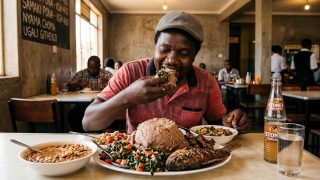
Meat became a daily meal
One of the most common memories involves food.
In many homes, meat was treated as a special meal reserved for weekends or important occasions.
Budgets had to be managed carefully, and mothers often ensured meals remained balanced and affordable.
However, some fathers appeared to have different priorities.
Many Kenyans recall periods when meat suddenly appeared on the menu almost every day.
Supper became a celebration, and leftovers from the previous night somehow found their way into breakfast.
Children who had become accustomed to vegetables and beans were suddenly enjoying beef, sausages and roasted meat more often than usual.
The party, however, rarely lasted. Once mum returned, the household budget returned to normal and so did the menu.
Showering became optional
Personal hygiene also became a different story.
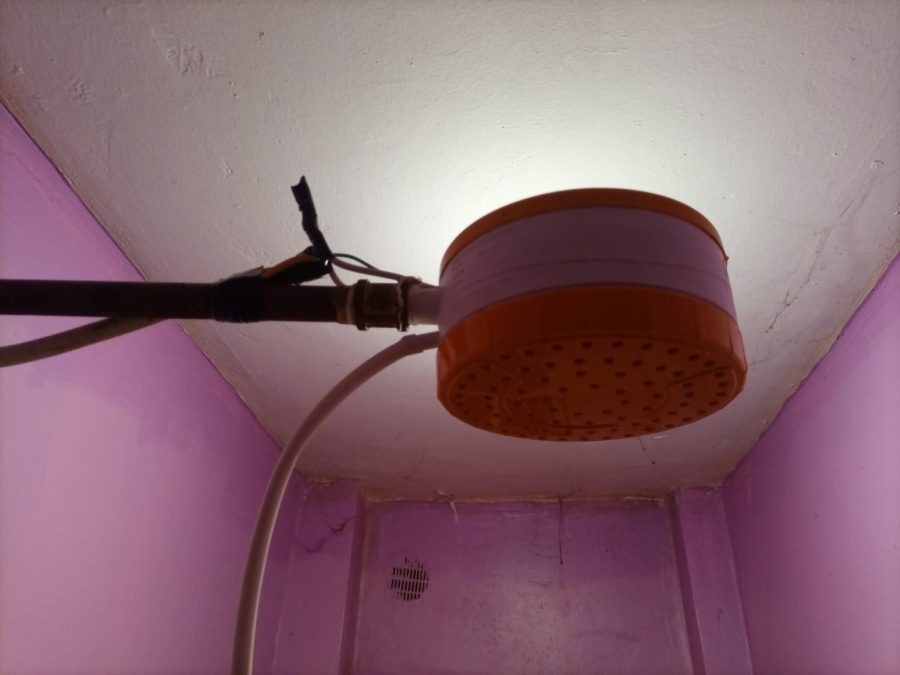
Many adults laugh when they remember spending entire weekends without being reminded to shower. The usual inspections before church, school or family visits disappeared.
For some children, a quick splash of water on the face was enough to convince them they were clean.
Others admit they stretched the limits of personal hygiene far beyond what would have been acceptable under normal supervision.
While most fathers cared deeply about their children’s well-being, many were less likely to monitor certain daily routines as closely as mothers often did.
The legendary giant chapati
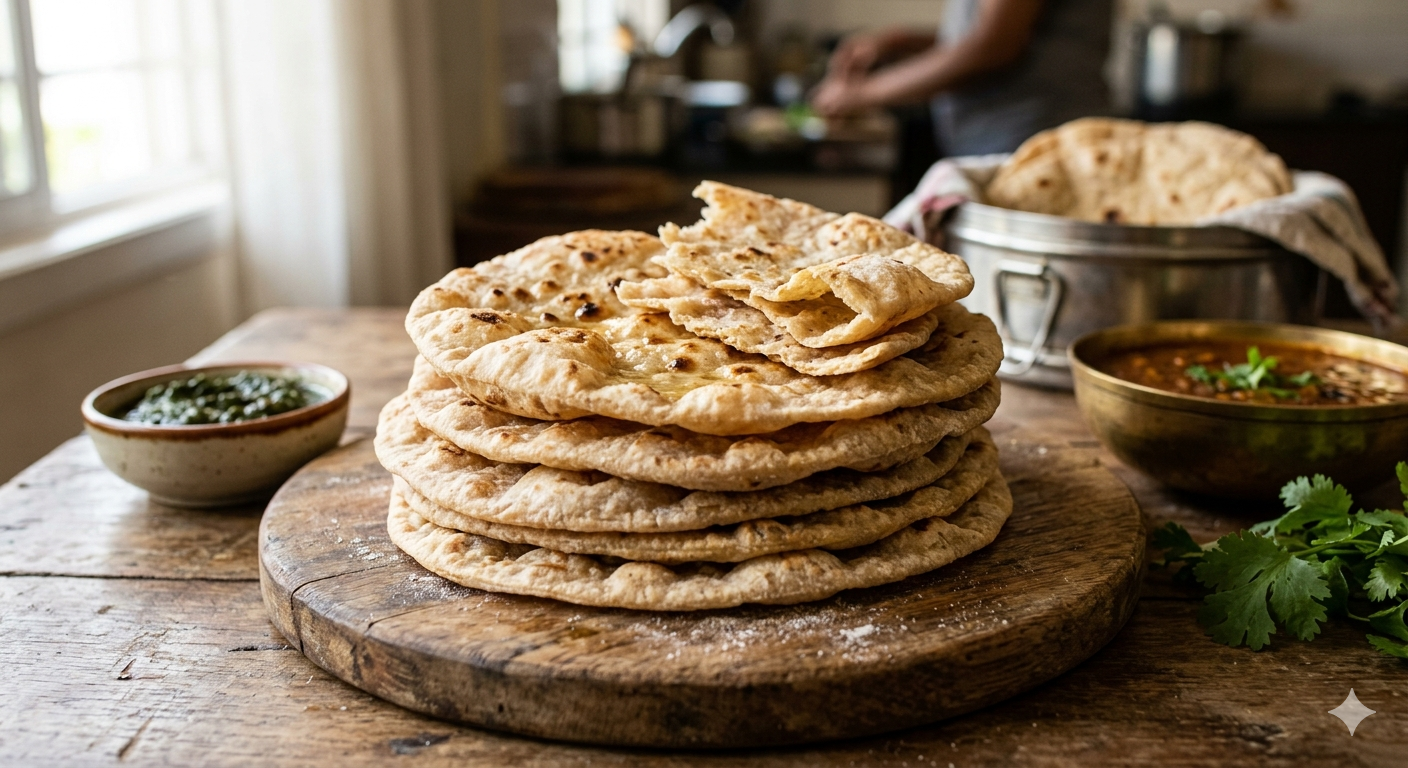
Few Kenyan childhood memories are as famous as Dad’s chapati.
Unlike the carefully measured and neatly shaped chapatis many mothers prepared, some fathers approached the task with remarkable confidence and very little concern for uniformity.
The result was often enormous chapatis that looked more like blankets than food.
This is where the famous saying emerged.
“Unakula chapo mbili unashiba kama python.”
One giant chapati could easily equal two or three ordinary ones.
Children would struggle to finish them, yet they remain among the most cherished memories of those unusual periods.
Whether the chapatis were perfectly cooked is another discussion altogether.
Snacks appeared from nowhere
Another common experience involved snacks.
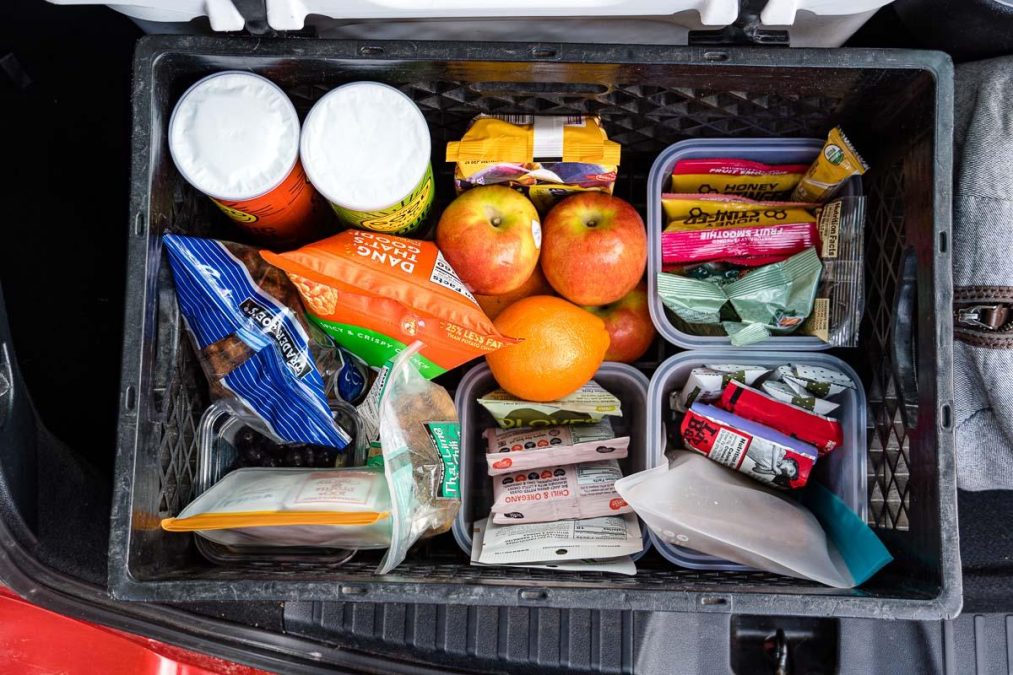
Many children remember fathers returning home with crisps, biscuits, sweets and soft drinks that rarely appeared during ordinary school weeks.
Some dads seemed determined to keep everyone happy and peaceful. The easiest way to achieve that goal was often through unexpected treats.
An ordinary evening could suddenly include doughnuts, roasted maize, yoghurt or a packet of biscuits shared while watching television.
For children, it felt like living in a different household altogether.
Bedtime rules disappeared
In many homes, bedtime schedules became surprisingly flexible.
The usual instructions about sleeping early, preparing school uniforms or switching off the television often relaxed considerably.
Children found themselves watching late-night programmes, football matches and movies that would normally have been off-limits.
The freedom felt exciting at the time, even if it came with consequences when school resumed the following week.
Mum’s return changed everything
Despite all the fun, many Kenyans admit there was always a moment when reality returned.
The house became organised again. Meal plans reappeared. Chores resumed. School routines were enforced. Bedtimes returned.
The snacks became less frequent, the giant chapatis disappeared, and daily meat consumption became a distant memory.
What many adults appreciate today is that both parents often bring different strengths into the household. One may have been stricter with routines, while the other created moments of fun and spontaneity.