Advertisement
Best foods and fluids to take after a fire emergency
28th May, 2026 04:29 PM

After a fire incident like the Utumishi Girls’ Academy in Nakuru that left 16 dead, the body is usually exhausted, dehydrated and exposed to smoke toxins.
Survivors may also have burns, internal irritation and shock depending on the severity of exposure.
Medical nutrition research shows that recovery is strongly influenced by what is consumed in the hours and days after rescue because the body immediately shifts into repair mode.
Nutrition experts emphasise that the priority during recovery is to restore hydration, replace lost electrolytes, support oxygen circulation and provide nutrients that repair damaged tissues.
Poor diet at this stage slows healing and increases the risk of complications.
Water
Water is the first and most essential intake after a fire rescue situation.

The body loses significant fluids during panic, heat exposure and rapid breathing during escape. Smoke inhalation can also irritate the respiratory system and worsen dehydration.
Taking water helps restore internal fluid balance, improves blood circulation and supports the removal of toxins absorbed from smoke exposure.
It also reduces dizziness and stabilises the body after shock. Medical experts recommend small, frequent sips because the body is often too weak to handle large quantities at once.
Oral rehydration solution
Oral rehydration solution is often used in emergency recovery because it replaces both fluids and electrolytes lost during stress and physical exertion.
Fire victims commonly suffer from imbalances in sodium and potassium levels due to sweating, panic breathing, and prolonged evacuation efforts.
ORS helps stabilise blood pressure, restore nerve function, and reduce complications associated with dehydration.
It is especially important for children, elderly individuals and anyone showing signs of weakness, confusion or dizziness after rescue.
Coconut water
Coconut water supports recovery because it contains natural electrolytes that the body absorbs quickly.
Potassium and magnesium, in particular, help regulate muscle function and heart activity after physical exhaustion.
It also provides mild natural sugars that restore energy without straining the digestive system.
In fire recovery situations where the body is fatigued and overheated, coconut water helps rehydrate and restore balance more efficiently than many sugary commercial drinks.
Bananas
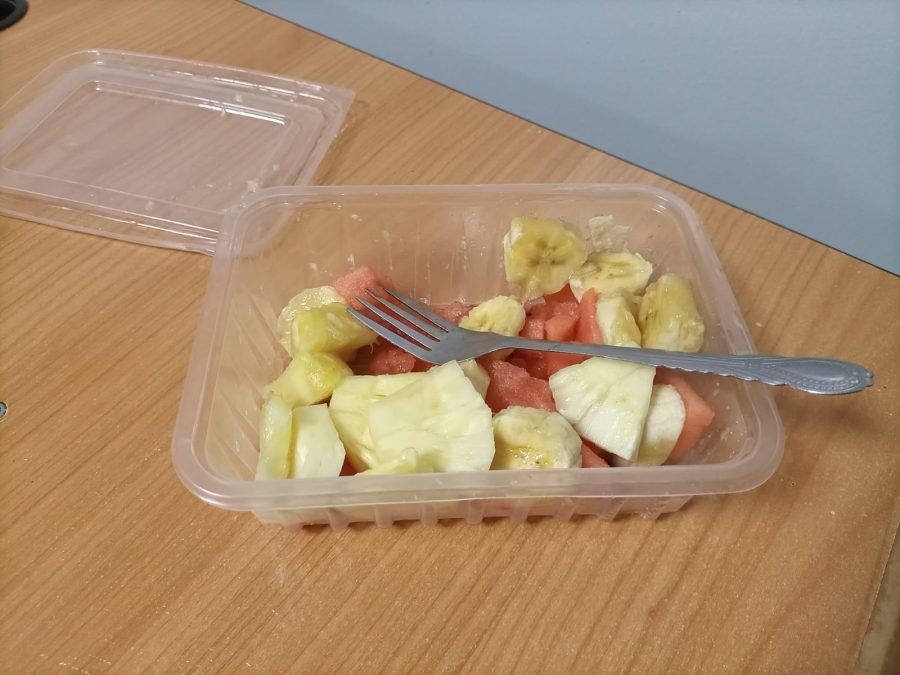
Bananas are useful during post-fire recovery because they are easy to digest and rich in potassium, which is often depleted during stress and dehydration. They also contain natural carbohydrates that provide quick energy to a weakened body.
After a fire, victims often experience fatigue and muscle weakness from physical strain during escape.
Bananas help stabilise energy levels and support nerve and muscle recovery without overwhelming the digestive system.
Eggs
Eggs are an important recovery food because they provide high-quality protein needed for tissue repair, especially in cases involving burns or trauma.
The body requires protein immediately after injury to rebuild damaged skin and support healing.
Eggs also contain vitamins that support immune function and red blood cell production.
Boiled or lightly cooked eggs are preferred because they are easier to digest for patients recovering from shock or smoke exposure.
Yoghurt
Yoghurt supports recovery by improving gut health and strengthening immunity, which is often weakened after smoke inhalation and stress.
It contains beneficial bacteria that help restore digestive balance, especially when the body has been under severe physical strain.
It also provides protein and calcium that support overall recovery. Plain yoghurt is recommended because added sugar can slow down healing and strain digestion.
Oats
Oats provide steady energy release, which is important during recovery when the body is rebuilding strength.
The complex carbohydrates in oats prevent energy crashes and support sustained physical stability.
They also contain fibre and minerals that assist digestion and improve oxygen transport in the blood.
During recovery from fire trauma, oats help maintain energy levels without stressing the body.
Leafy green vegetables
Leafy vegetables such as spinach and kale support recovery by providing iron, vitamin C and antioxidants that help repair damaged tissues.
Smoke exposure can reduce the blood’s oxygen-carrying capacity, and iron-rich foods help restore this balance.
These vegetables also reduce inflammation and support immune recovery. Light cooking is preferred because it makes them easier to digest for patients with weakened digestion.
Honey
Honey is often used in recovery due to its natural energy and soothing properties. It helps calm throat irritation caused by smoke inhalation and provides quick energy when the body is weak.
Its antioxidant and antibacterial properties also support healing and protect the body during recovery.
Small amounts mixed with warm water or porridge are commonly used during the initial recovery phase.