Advertisement
6 foods that trigger cravings
30th June, 2026 01:18 PM
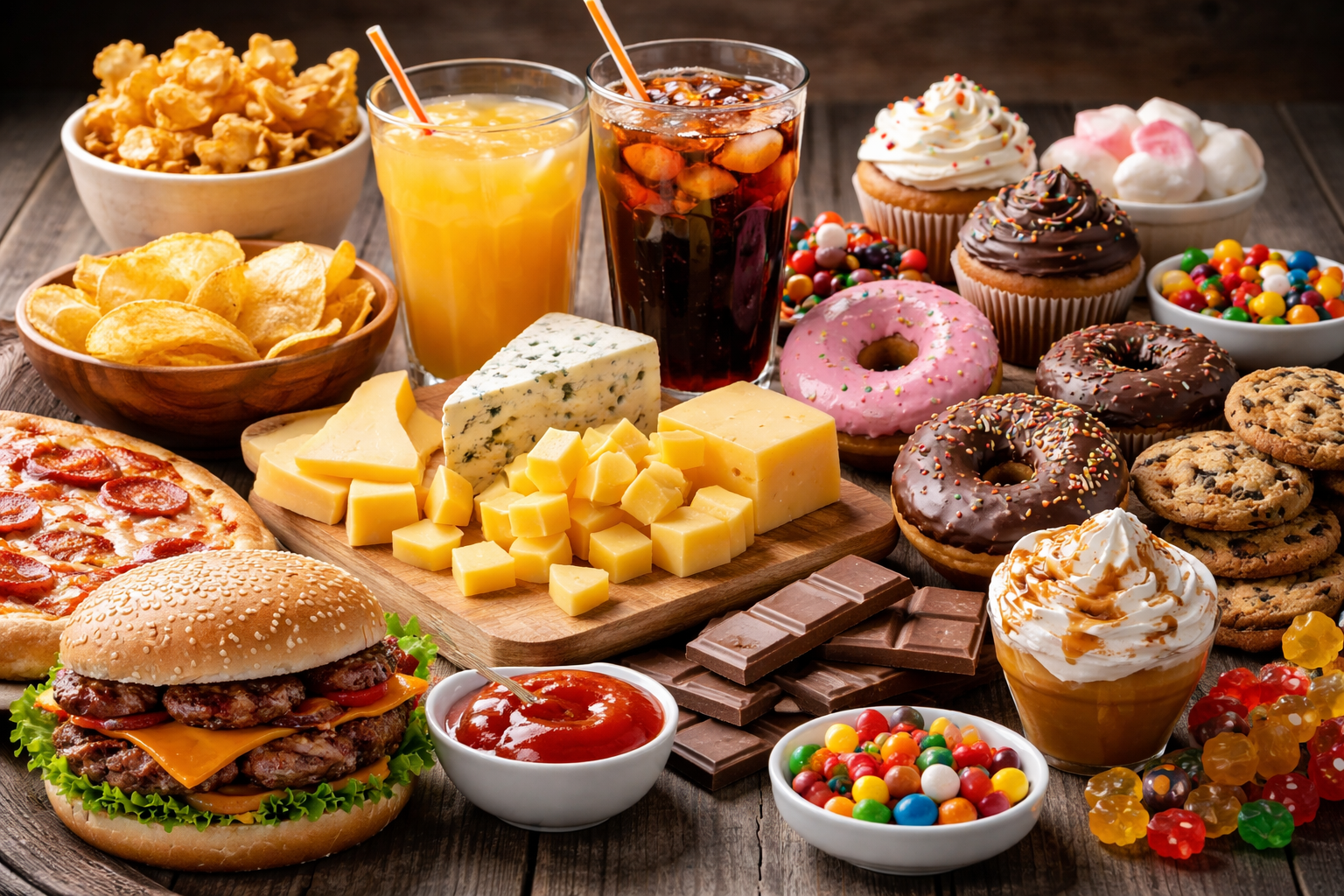
It can be frustrating to finish a meal only to feel hungry again a short while later. While cravings are normal from time to time, some foods may actually make them happen more often.
Instead of keeping you satisfied, certain meals and snacks can trigger a cycle of wanting more, making it harder to stick to healthy eating habits.
According to the National Library of Medicine, cravings are influenced by several factors, including blood sugar levels, hormones, sleep quality and the types of foods people eat regularly. Choosing foods that provide a balance of protein, healthy fats and fibre can help keep hunger under control for longer.
Sugary foods and drinks
Foods loaded with added sugar, such as cakes, doughnuts, sweets, chocolate bars, biscuits, soft drinks, energy drinks and sweetened fruit juices, can cause blood sugar levels to rise quickly. This is often followed by a sharp drop, which may leave you feeling hungry again sooner than expected.
The Mayo Clinic explains that sugary foods provide a quick burst of energy but contain little fibre or protein to keep you feeling full. As a result, many people find themselves reaching for another sugary snack shortly afterwards.
Refined carbohydrates
White bread, white rice, chapati made with refined flour, mandazi, pastries, white pasta and many processed breakfast cereals are made from refined grains that have had much of their fibre removed. Without enough fibre, these foods are digested quickly, leading to a shorter feeling of fullness.

Replacing refined carbohydrates with wholegrain options such as brown rice, wholemeal bread and oats can help maintain steadier blood sugar levels and reduce unnecessary snacking.
Salty processed snacks
Crisps, flavoured popcorn, cheese crackers, packaged snack mixes, salted nuts with added flavourings and corn chips are convenient snacks, but they often contain high amounts of salt and refined carbohydrates while providing limited fibre.
The NHS advises limiting highly processed foods because they are easy to overeat and may not keep you satisfied for long, increasing the likelihood of craving more food.
Fast food meals
Burgers, fried chicken, chips, pizza, hot dogs and deep-fried takeaway meals are often high in refined carbohydrates, unhealthy fats and salt. Although they may be high in calories, they do not always provide the right balance of nutrients needed to keep hunger away for long.
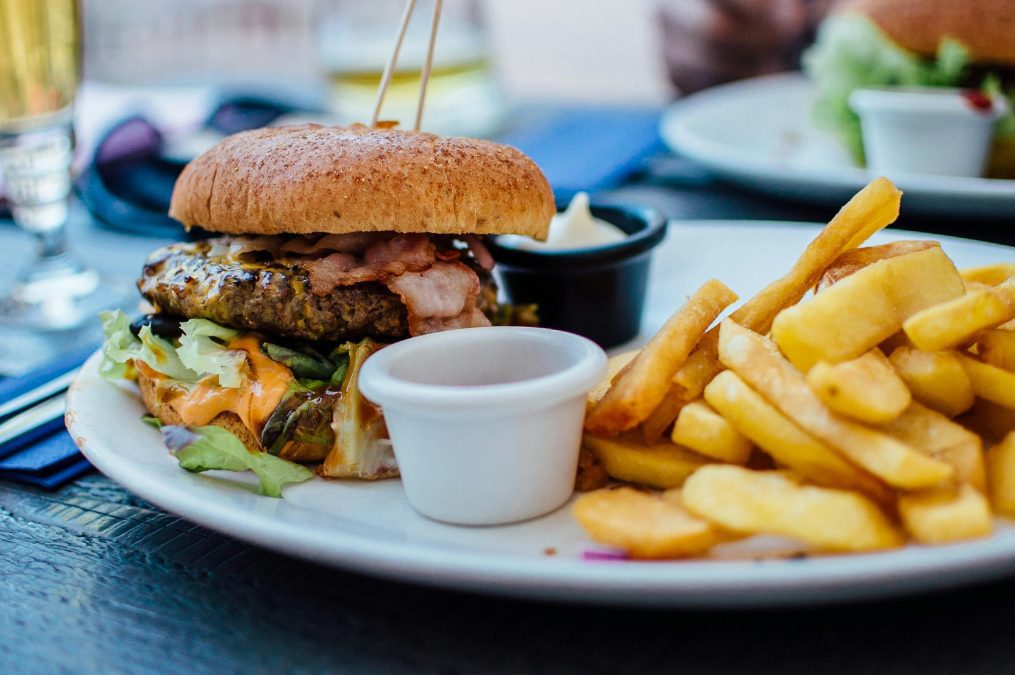
Adding vegetables, lean protein, beans and whole grains to meals can improve fullness and reduce the urge to snack between meals.
Sweetened breakfast cereals
Chocolate-flavoured cereals, frosted flakes, honey-coated cereals and other sugary breakfast cereals often contain high amounts of added sugar despite being marketed as convenient breakfast choices.
The nutritionist suggested choosing cereals that are high in fibre and low in added sugar, as they help support longer-lasting energy and fullness throughout the morning.
Artificially sweetened foods
Diet soft drinks, sugar-free sweets, sugar-free chewing gum, low-sugar desserts and artificially sweetened yoghurts may satisfy a sweet tooth without added sugar, but they may not work the same way for everyone.
![People who drink a lot of sugary drinks have a high risk of developing cancer, researchers announced in mid-July, 2019. [PHOTO | FILE]](https://k24.digital/wp-content/uploads/2019/07/SUGARY-DRINK.jpg)
Research on artificial sweeteners and cravings is still ongoing. Some studies suggest that sweet-tasting foods without calories may leave some people wanting more food later, although the evidence remains mixed.
Managing cravings
Cravings cannot always be avoided, but simple eating habits may help reduce them. Eating balanced meals that include lean protein, healthy fats and fibre, drinking enough water, getting adequate sleep and avoiding long gaps between meals can all support better appetite control.
Nutitionist recommend building meals around whole, minimally processed foods such as vegetables, fruits, legumes, whole grains, eggs, fish and lean meat. Rather than completely avoiding favourite foods, enjoying them in moderation as part of a balanced diet is considered a more sustainable approach to managing cravings and supporting overall health.