Advertisement
Ultimate guide to wedding guest dresses that actually work
21st May, 2026 10:19 PM
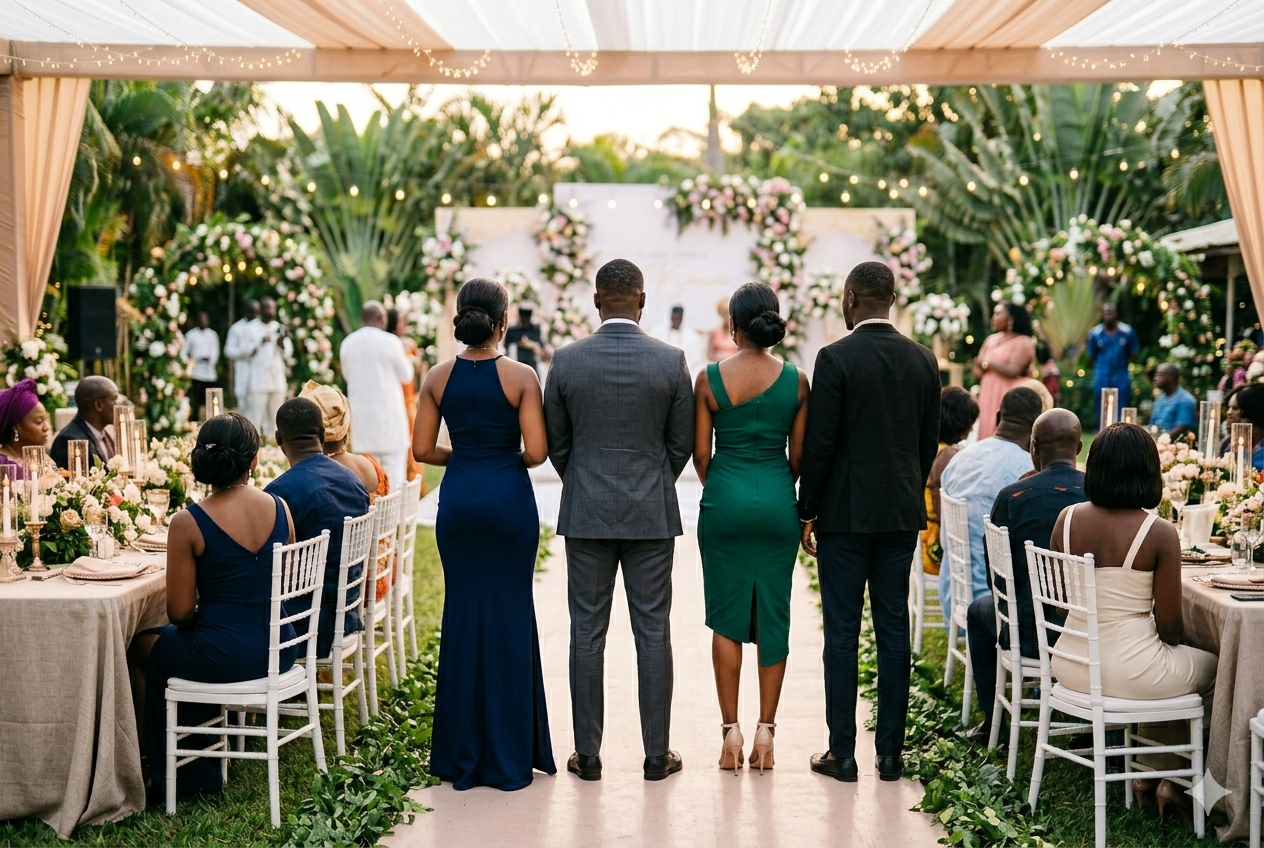
Somewhere between the floral invitations, Pinterest mood boards, and endless TikTok outfit inspiration, the pressure to find the perfect wedding guest dress has reached dramatic levels. Suddenly, people are analysing colour palettes like art critics and debating whether satin is too formal for a sunset ceremony in Naivasha. Even the phrase “dress code” now sounds slightly threatening.
Yet despite all the confusion, wedding guest dressing does not have to feel complicated. The right dress is less about chasing every trend and more about understanding the occasion, the setting, and what genuinely makes you feel good. A beautiful wedding guest outfit should allow you to eat comfortably, dance confidently, survive group photos gracefully, and still look polished hours later when the DJ starts playing songs nobody can resist.
Understanding wedding dress code before you shop
Most fashion disasters happen because people skip the dress code section and rely entirely on vibes. Weddings are one of the few events where the difference between overdressed and underdressed matters quite a lot.
A casual wedding does not mean jeans and sneakers unless the invitation specifically says so. It usually calls for relaxed elegance. Think flowy midi dresses, floral prints, linen fabrics, and soft colours that look effortless but still intentional.
Cocktail attire sits in the middle ground and is probably the most common wedding dress code today. This is where satin midis, elegant wrap dresses, fitted silhouettes, and stylish heels shine. Cocktail dresses should feel polished without looking like you are attending the Oscars.
Formal and black-tie weddings require more sophistication. Long gowns, luxurious fabrics, refined tailoring, and elegant accessories become essential. This is your chance to embrace drama in the best possible way. Satin, velvet, chiffon, and embellished details work beautifully here.
Beach weddings deserve special attention because they trick people into thinking anything goes. A beach wedding still requires effort. The difference is that breathable fabrics, lighter colours, and practical footwear matter far more than heavy glamour. Nobody wants to wobble through sand in painful stilettos while sweating inside thick polyester.
Best wedding guest dresses under Ksh5K
Affordable dresses have improved tremendously over the years. There was a time when cheap dresses looked exactly like what they were. Today, with the right styling and smart shopping, a budget dress can easily look elegant and expensive.
Slip dresses are one of the safest and most flattering, affordable options. They photograph beautifully, suit nearly every body type, and can be styled differently depending on the wedding. A champagne satin slip dress paired with gold jewellery instantly looks sophisticated, even if it costs less than dinner for two.
Wrap dresses are another lifesaver for budget shoppers. They flatter the waist, allow flexibility in sizing, and work for casual, cocktail, and semi-formal weddings depending on fabric choice. Floral wrap dresses are especially perfect for outdoor weddings and daytime ceremonies.
Pleated midi dresses also dominate affordable fashion because they move beautifully while creating an elegant silhouette. They are comfortable enough for long ceremonies and forgiving enough after the third plate at the buffet.
When shopping on a tight budget, fabric matters more than brand names. Matte satin, chiffon, cotton blends, and textured fabrics often look more luxurious than shiny synthetic materials. If a dress catches light like a plastic tablecloth, it is best left behind.
The sweet spot between affordable and luxury
The mid-range category is where wedding guest fashion becomes truly exciting. Dresses between $80 and $250 often offer better tailoring, richer fabrics, and timeless designs that survive more than one season.
This is the ideal budget range for people attending multiple weddings because these dresses can be reworn and restyled easily. A deep emerald satin midi can work for weddings, birthdays, dinners, and formal events with different accessories each time.
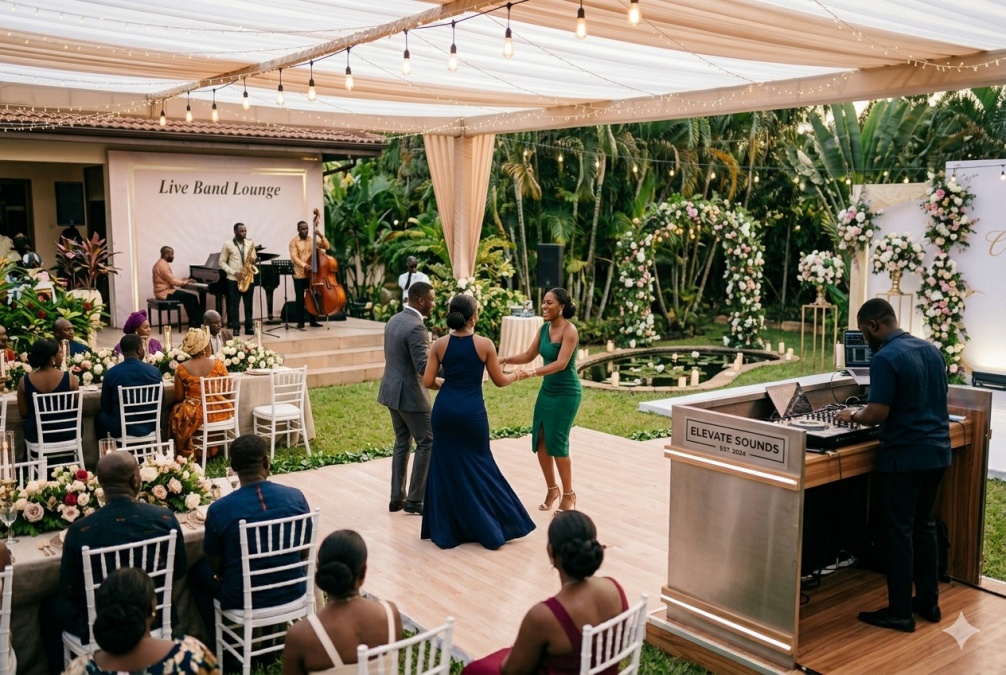
Structured dresses become especially important in this price range. Corset bodices, draped waists, asymmetrical necklines, and elegant sleeves add sophistication without becoming overly trendy. A well-structured dress always looks more expensive than it actually is.
One-shoulder gowns continue to dominate wedding guest fashion because they balance elegance and drama perfectly. They show just enough skin to feel modern while remaining classy enough for formal occasions.
Soft romantic tones such as sage green, dusty rose, terracotta, champagne, and lavender remain incredibly popular because they photograph beautifully without competing with bridal white. Nobody wants to become the accidental villain in wedding photos because they wore something suspiciously ivory.
Luxury wedding guest dresses worth the splurge
Luxury dresses are not only about labels. The difference often lies in construction, fabric quality, and fit. A beautifully made gown moves differently, photographs differently, and feels dramatically more comfortable after several hours.
If you are investing in a designer wedding guest dress, choose something timeless instead of ultra-trendy. Trends fade quickly while elegant silhouettes remain useful for years.
Silk gowns are among the best investments because the fabric naturally drapes beautifully and feels luxurious against the skin. Velvet gowns also make stunning choices for evening weddings, especially during colder seasons.
For black tie weddings, floor-length dresses with subtle embellishments create sophistication without looking theatrical. The goal is elegance, not appearing ready to perform at an awards ceremony.
Luxury also means better tailoring. Even a simple gown becomes breathtaking when it fits perfectly. Many people underestimate how transformative alterations can be. A moderately priced dress that fits beautifully often looks better than an expensive dress worn straight off the rack.
Best colours to wear to a wedding
Wedding guest colours have become more flexible over time, but some rules still matter.
White remains risky territory unless the couple specifically requests it. Cream, ivory, and extremely pale champagne shades can also photograph as white under certain lighting, which creates unnecessary awkwardness.
Black has become widely accepted, especially for evening and formal weddings. The old superstition about black symbolising mourning has faded significantly. Today, a sleek black dress often looks effortlessly elegant.
Jewel tones such as emerald, sapphire, burgundy, and plum work beautifully for evening weddings because they photograph richly and flatter many skin tones.
Pastels dominate spring and garden weddings because they feel romantic and fresh. Soft blues, blush pinks, lilacs, and muted greens remain reliable choices year after year.
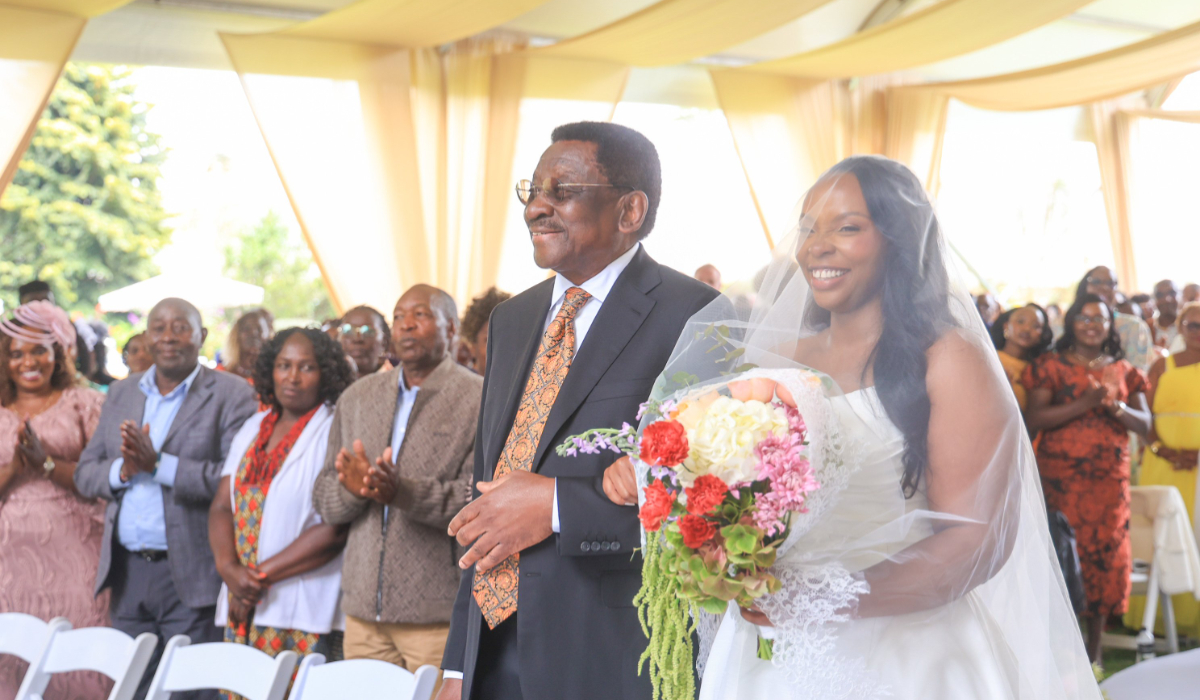
Bright colours can also work wonderfully, especially for African weddings where vibrant fashion is often celebrated. A bold orange, fuchsia, or cobalt blue dress can look spectacular when styled thoughtfully.
Fabrics that actually work for weddings
Fabric choice affects comfort more than people realise. Weddings are long events filled with heat, dancing, awkward sitting positions, and endless photographs.
Chiffon remains popular because it is lightweight and graceful. It moves beautifully in photos and feels comfortable for outdoor weddings.
Satin delivers elegance immediately, though cheaper satin can wrinkle easily and highlight every drop of sweat known to humanity. Higher quality satin drapes more naturally and photographs better.
Linen blends work well for casual and beach weddings because they breathe easily. Pure linen wrinkles quickly, which can make even expensive dresses appear dishevelled halfway through the ceremony.
Velvet creates richness and warmth for evening weddings and colder seasons. It feels luxurious instantly without requiring excessive embellishment.
Tulle should be approached carefully. Small touches of tulle can look romantic and dreamy. Too much tulle can make a guest resemble a runaway bridesmaid or an ambitious cupcake.
Dressing for different wedding venues
Venue matters almost as much as dress code.
Garden weddings call for practicality disguised as elegance. Block heels, midi lengths, and breathable fabrics work best. Nobody enjoys sinking into grass while pretending everything is fine.
Beach weddings require movement and comfort. Flowy maxi dresses, flat sandals, and lightweight fabrics are ideal. Strong winds also deserve consideration because dramatic flying skirts look glamorous only in movies.
Hotel ballroom weddings allow more glamour. Sequins, satin gowns, dramatic jewellery, and sleek heels fit naturally into grand indoor settings.
Church weddings often require modesty, especially during ceremonies. Dresses with extreme cutouts or very short hemlines may feel inappropriate depending on cultural expectations.
Accessories can save an average dress
A simple dress paired with excellent accessories often looks far more stylish than an expensive dress styled poorly.
Metallic heels remain the safest investment because they pair easily with most colours. Nude heels also elongate the legs and create versatility.
Jewellery should complement the dress instead of competing with it. If the dress has dramatic details, keep jewellery minimal. If the dress is simple, statement earrings or bold bracelets add personality beautifully.
Clutches remain the best wedding bags because they look polished and force people to carry only essentials instead of their entire emotional support inventory.
A light shawl or blazer can also become surprisingly important for evening weddings where temperatures drop unexpectedly.
Common wedding guest fashion mistakes
The biggest mistake is prioritising trends over comfort. If a dress requires constant adjusting, painful breathing, or Olympic-level balancing skills, it will ruin your experience.
Another mistake is ignoring the venue completely. Six-inch stilettos at a beach wedding are an act of optimism rarely rewarded by reality.
Overly revealing outfits can also feel uncomfortable depending on the couple, family setting, and cultural expectations. Weddings are celebrations, not nightclub competitions.
Finally, many people underestimate undergarments. Seamless shapewear, supportive bras, and proper tailoring dramatically improve how dresses fit and photograph.