Advertisement
Fewer clothes, more function: Why you should consider a capsule wardrobe
15th June, 2026 10:03 PM

With the high cost of commuting across Kenyan towns, balancing the monthly budget requires strict discipline. Whenever matatu fares or fuel prices fluctuate, finding flexible areas to cut back becomes an urgent priority.
Oddly enough, clothing is often where household money leaks without notice. When daily expenses feel overwhelming, buying a new outfit feels like a quick way to reclaim personal control.
Adopting a capsule wardrobe offers a practical way to plug this financial leak and ease budget pressures.
The math behind fewer clothes
A capsule wardrobe works on a straightforward rule: buy fewer items, choose high versatility, and enjoy lower replacement costs.
Instead of a closet packed with trendy clothes that rarely match, this method focuses on a small setup of durable essentials.
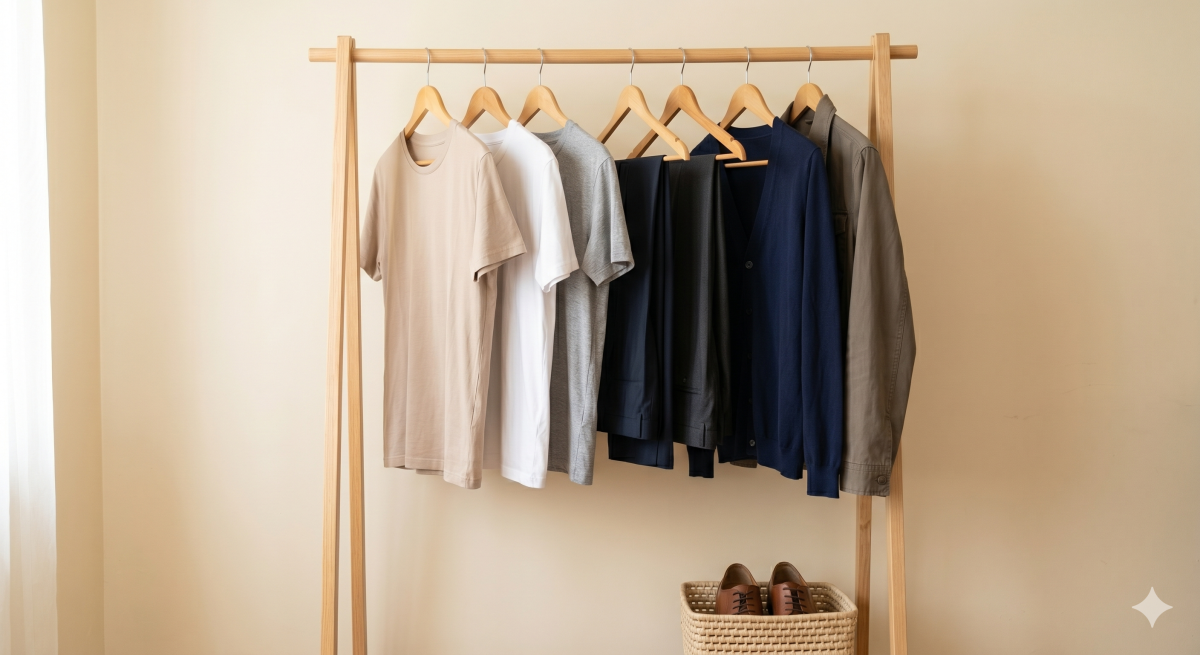
For example, pairing a few neutral trousers or skirts with simple shirts allows someone to create weeks of different outfits from under twenty pieces.
This approach stops the habit of buying cheap clothes that fade or stretch out after two washes. Peer-reviewed research shows how structural wardrobe choices shift consumer behaviour.

A study published in the journal Sustainability found that minimalist clothing strategies helped people “recognize what to purchase, how to wear and care, and how to discard clothes, which can result in a reduction in thoughtless overspending on clothing.”
Choosing quality over quantity means saving thousands of shillings that would otherwise go to constant replacements.
Beating the urge to overspend
Spontaneous shopping trips often happen when people feel stressed by daily bills. Picking out something new provides a temporary mood boost, but it strains the wallet.
A capsule wardrobe removes the daily stress of deciding what to wear, which is the exact feeling that often drives these impulse trips to the boutique or open-air market.

When every piece in the closet coordinates naturally, the morning panic disappears. There is no longer a need to buy a new top just to match a specific item. Saving even Sh5,000 every month by skipping these spontaneous purchases gives a commuter extra money to cover their transport basket.