Advertisement
More clothes, more waste: Environmental cost of fast fashion in Kenya
06th June, 2026 09:28 PM
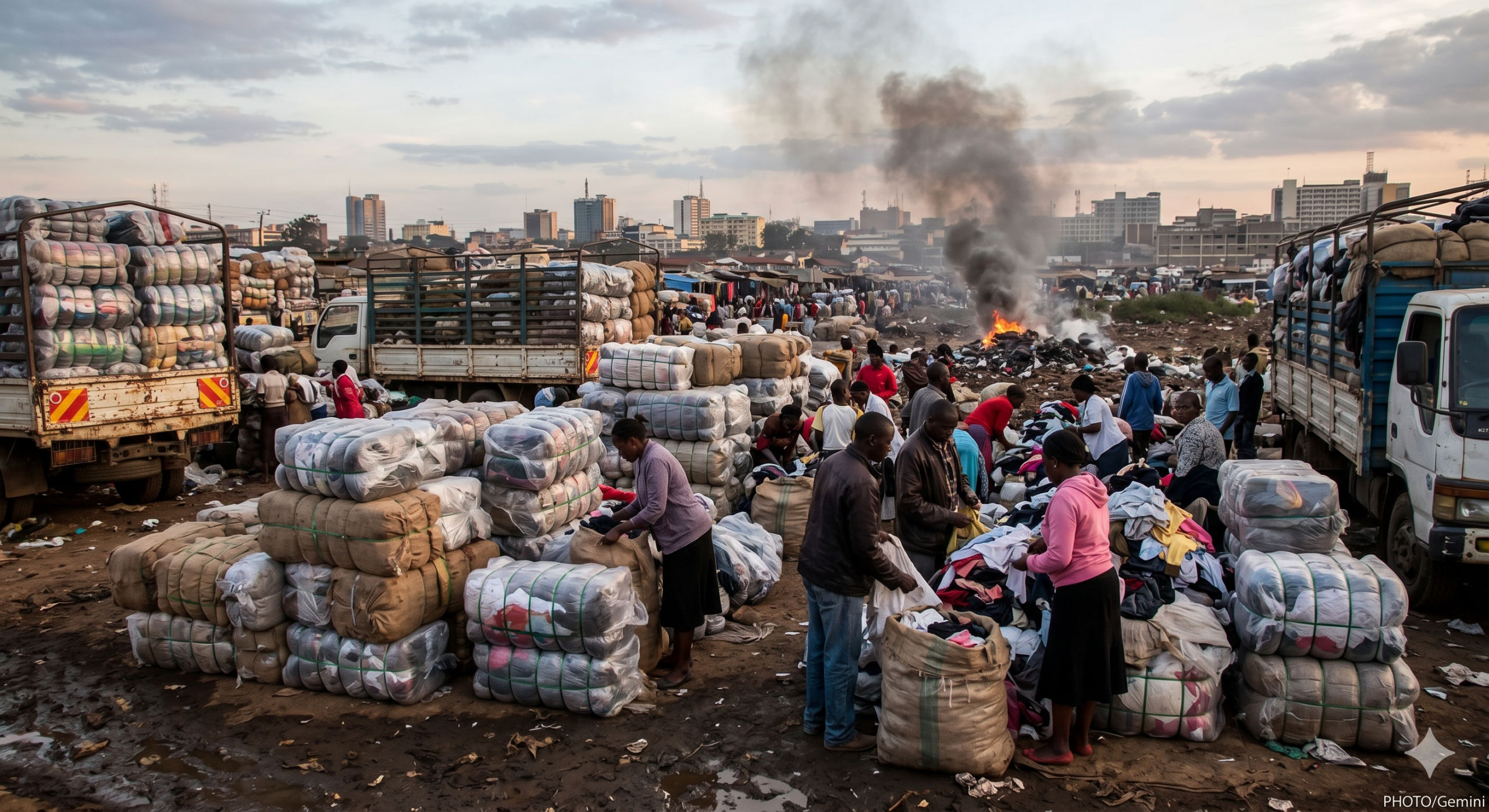
Every weekend, bales of second-hand clothes arrive at markets in Nairobi, offloaded from trucks and prised open by traders hoping to find something sellable. Much of it is. But a significant share is not – and what does not sell piles up, rots, or gets burned, sending a quiet column of smoke into the city air.
Mitumba, the colloquial term for imported used clothing, is only one piece of a much larger problem.
Kenya sits at the intersection of two uncomfortable trends: it is Africa’s largest consumer of used clothing, according to data from the Massachusetts Institute of Technology, while simultaneously housing a domestic textile industry that a 2025 peer-reviewed study in Frontiers in Sustainability found is responsible for “approximately 56 per cent of total industrial pollution” in the country.
That figure, drawn from research conducted across Kenyan textile mills, signals how deeply the fabric of everyday dressing is entangled with environmental cost.
The water numbers are striking on their own. A single cotton T-shirt requires roughly 2,700 litres of water to produce – enough for one person to drink for two and a half years.
Multiply that across a culture of throwaway purchasing, and the arithmetic becomes uncomfortable quickly. In 2021, the European Union alone shipped more than 112 million individual clothing items to Kenya, much of it discarded within seasons of arrival.
Second-hand first, but choose wisely
The irony is that mitumba, when bought and actually worn, is one of the more sustainable choices available to Kenyan shoppers. Buying second-hand extends a garment’s life and keeps it out of landfill for longer.
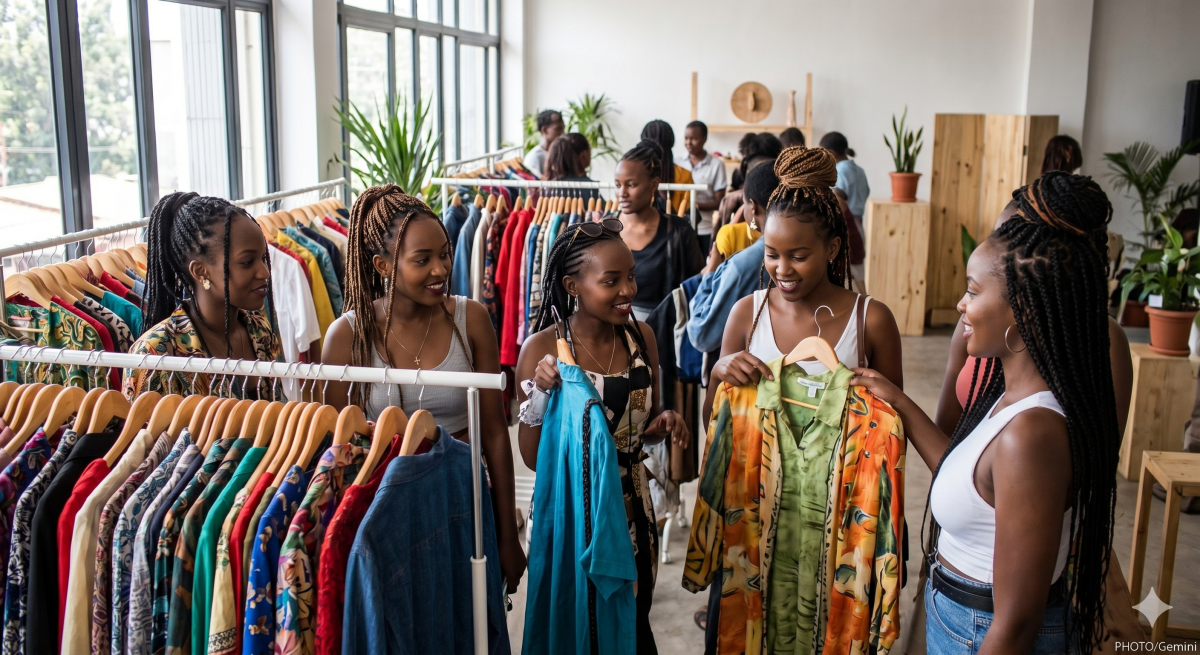
Platforms such as the Facebook Marketplace vintage groups, pop-up thrift events across Nairobi, and curated mitumba boutiques now make second-hand shopping feel less like compromise and more like curation.
The key difference is intention: buying a second-hand piece you will actually wear for two years is responsible consumption; buying ten because they are cheap is just fast fashion with extra steps.
Local designers and the quality argument
The stronger long-term shift is investing in Kenyan-made fashion.
A growing cluster of independent designers on platforms like Instagram produce garments built to last, which is, functionally, what sustainable fashion means.
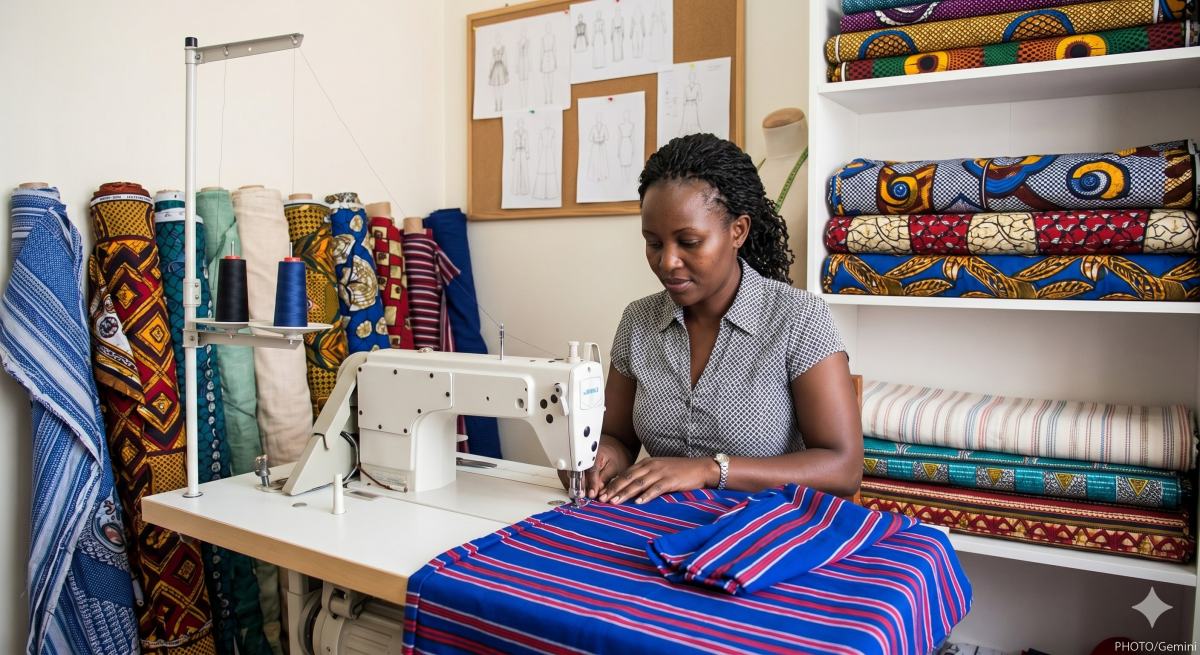
A Ksh4,000 dress worn thirty times has a dramatically lower cost-per-wear and environmental footprint than a Ksh800 dress worn twice and discarded.
The quality-over-quantity logic holds even at mass market level. Buying fewer, better garments (regardless of brand) reduces the volume of textile waste generated per person. It also keeps more money circulating within the local creative economy.
No reduction in how well-dressed you are is required here. What shifts is the reasoning behind the purchase.