Advertisement
Booked a BBL, back by 5pm: Reasons why cosmetic surgery has become the new normal
02nd June, 2026 08:53 AM
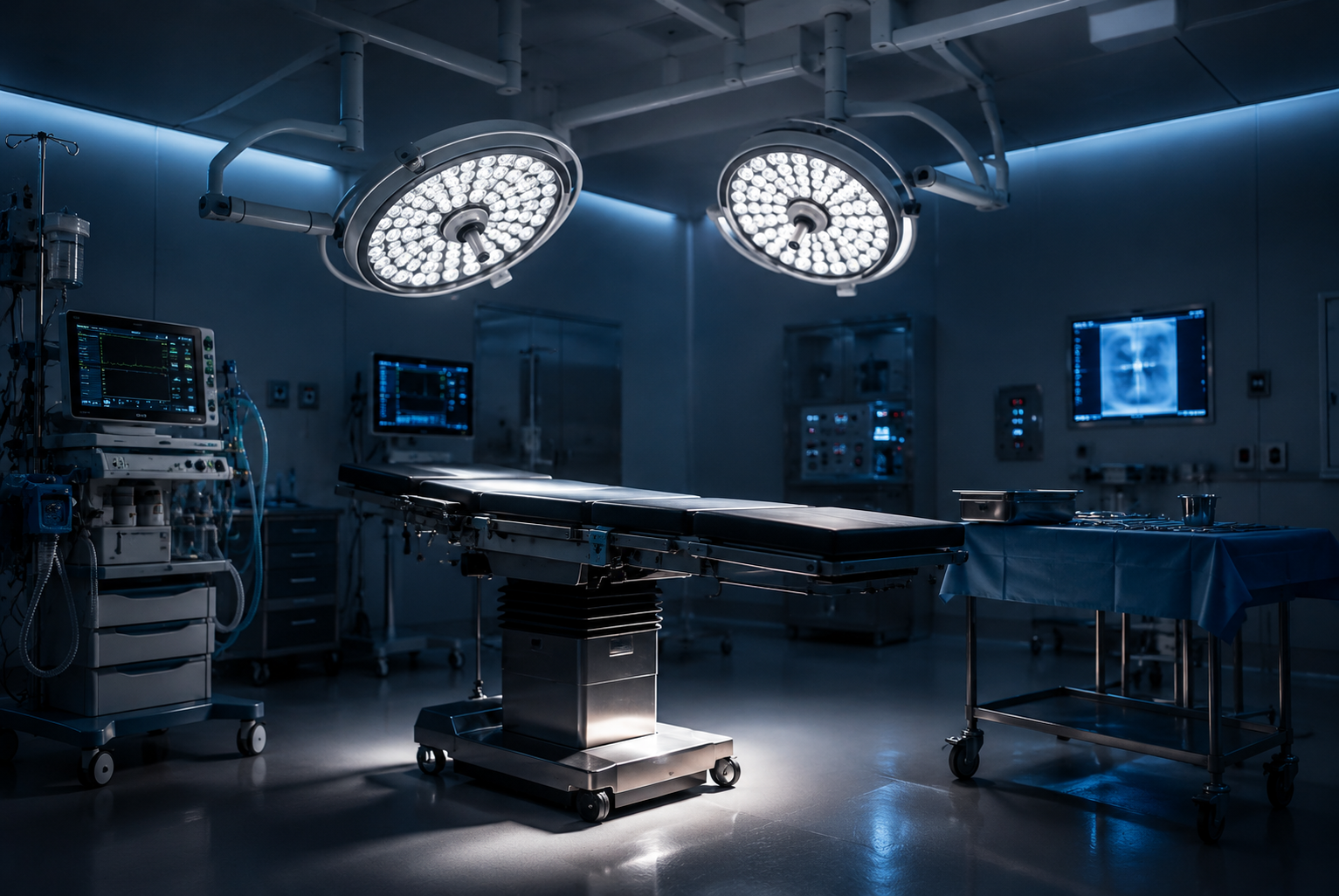
Cosmetic surgery has travelled a long way from the shadows of celebrity gossip columns. It now sits at the intersection of beauty, technology, medicine and social media. What was once considered extraordinary has become remarkably ordinary.
Not too long ago, cosmetic surgery was something people whispered about. A celebrity would disappear from the spotlight for a few weeks, return looking noticeably different, and deny everything with a straight face. Today, the conversation is completely different. People openly document their procedures on TikTok, vlog their recovery journeys on YouTube, and share before-and-after photos on Instagram with the same enthusiasm usually reserved for holiday pictures.
The rise of cosmetic procedures has been so dramatic that treatments once considered exclusive to Hollywood have become part of everyday life. Some procedures are now marketed as quick fixes that can fit into a lunch break, with patients returning to work shortly after appointments. The global beauty industry has transformed cosmetic enhancement from a secretive luxury into a mainstream lifestyle choice. According to data from the American Society of Plastic Surgeons, both surgical and minimally invasive procedures have continued to rise, with treatments such as Botox and fillers seeing particularly strong growth in recent years.
So how did we get here? Why are procedures like lip fillers, tummy tucks, breast augmentations and Brazilian Butt Lifts becoming increasingly common?
1. Social media turned beauty into a daily competition
Perhaps the biggest driver of cosmetic surgery’s rise is social media.
For the first time in human history, millions of people carry a camera in their pocket and spend hours looking at their own faces on screens. Every selfie, video call and Instagram story places appearance under a microscope. Features that once went unnoticed suddenly become sources of insecurity after being viewed repeatedly through a front-facing camera.
Social media has also normalised cosmetic procedures by making them highly visible. Influencers discuss fillers as casually as they discuss skincare routines. Recovery videos generate millions of views, while clinics use social platforms to showcase dramatic transformations.
The result is that cosmetic procedures no longer feel unusual. They feel familiar. When someone sees dozens of people openly discussing their surgeries online, the idea becomes less intimidating and more socially acceptable.
2. Procedures have become faster and less invasive
The image of cosmetic surgery often involves lengthy hospital stays and weeks of recovery. While that remains true for some major operations, many modern treatments are remarkably quick.
Injectables, fillers and other minimally invasive procedures can often be completed within an hour. Some clinics even advertise treatments that allow clients to return to work the same day.
This convenience has dramatically changed public perception. Cosmetic enhancement is increasingly viewed less like surgery and more like routine maintenance. For many people, getting Botox has become as ordinary as booking a facial or visiting a hair salon.
Industry figures show that minimally invasive treatments continue to dominate the market because they offer subtle results, shorter recovery times and lower costs than traditional surgery.
3. Cosmetic Ssurgery has become more accessible
There was a time when cosmetic surgery was largely reserved for the wealthy. Today, a broader range of people can access aesthetic treatments.
Increased competition among clinics, financing options and the growth of medical tourism have all contributed to wider accessibility. Procedures that once seemed financially impossible are now marketed through payment plans and package deals.
This shift has changed the customer base dramatically. Cosmetic enhancement is no longer seen exclusively as a luxury for celebrities and millionaires. Office workers, students, entrepreneurs and parents are all part of the growing market.
The popularity of non-surgical treatments has also lowered the financial barrier to entry. Instead of spending thousands of dollars on major surgery, some people begin with smaller procedures that require less commitment and lower upfront costs.
4. Beauty standards have evolved
Every generation has its own beauty ideals. What makes today’s era unique is how quickly those ideals spread across the world.
A celebrity in Los Angeles, an influencer in Dubai and a content creator in Nairobi can influence beauty trends almost instantly. Certain facial features and body shapes become desirable overnight, creating demand for procedures that promise similar results.
Interestingly, the industry is also witnessing a shift toward more natural-looking outcomes. While dramatic transformations once dominated headlines, many patients now seek subtle refinements that help them look refreshed rather than completely different. Surgeons increasingly report demand for enhancements that preserve individuality while improving balance and proportion.
The modern cosmetic surgery client often does not want to look like someone else. They want to look like a slightly upgraded version of themselves.
5. Appearance is increasingly linked to confidence and opportunity
Whether fair or not, appearance continues to influence how people are perceived professionally and socially.
Many patients describe cosmetic procedures as investments in confidence rather than attempts to achieve perfection. Some believe looking younger, healthier or more polished can improve personal relationships, career opportunities and self-esteem.
This does not mean surgery automatically creates happiness. Experts frequently warn that unrealistic expectations can lead to disappointment. In fact, revision procedures to correct previous cosmetic work have become increasingly common, highlighting the importance of careful decision-making and qualified medical care.
Still, for many people, cosmetic enhancement has become part of a broader self-improvement culture that includes fitness, skincare, healthy eating and wellness.