Advertisement
5 important things to know before joining flying school
18th September, 2026 06:24 PM
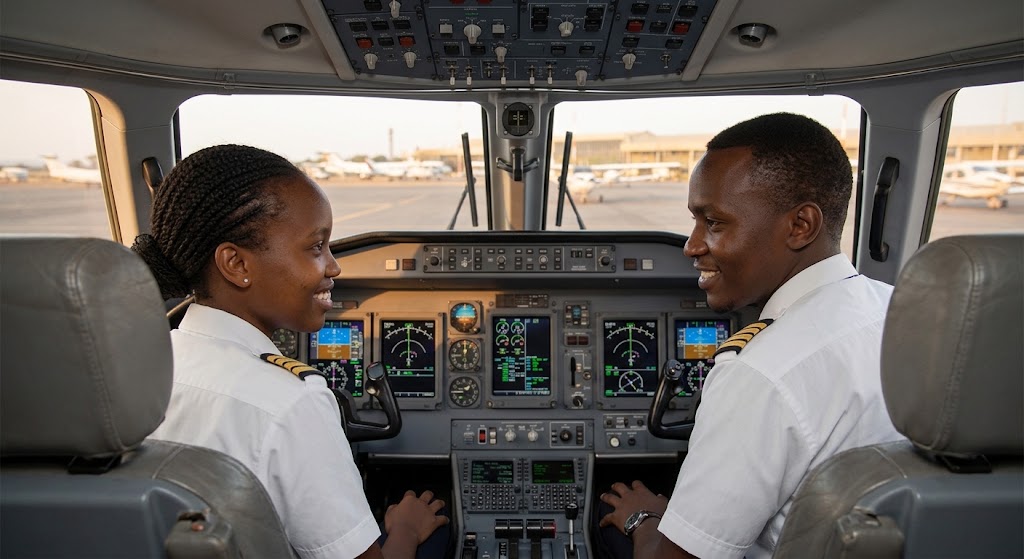
Becoming a pilot can be an exciting career goal, but joining flying school is a major commitment. Beyond the dream of sitting in a cockpit, aspiring pilots need to understand the training, costs and requirements involved.
For anyone considering pilot training in Kenya, doing proper research before enrolling can help avoid unexpected challenges.
1. Know the entry requirements
Before choosing a flying school, find out whether you meet the requirements for the course you want to take.
Different pilot licences have different requirements, including education, age, medical fitness and other conditions set by the Kenya Civil Aviation Authority (KCAA).
You may also need to meet specific requirements before progressing from one stage of training to another.
Instead of assuming that you qualify, check the current requirements with KCAA and the flying school you are considering.
2. Be prepared for the cost
Pilot training can require a significant financial commitment.
The total cost can include tuition, flying hours, examinations, medical assessments, learning materials, licensing fees and other expenses. The final amount can also vary depending on the licence and how quickly a student progresses through the required training.
Before enrolling, ask the school for a clear breakdown of the costs and find out which expenses are included in the quoted training fees.
It is also important to understand whether additional flying hours could increase your overall cost.
3. Expect both classroom and practical training
Learning to fly is not simply about getting into an aircraft and taking off.
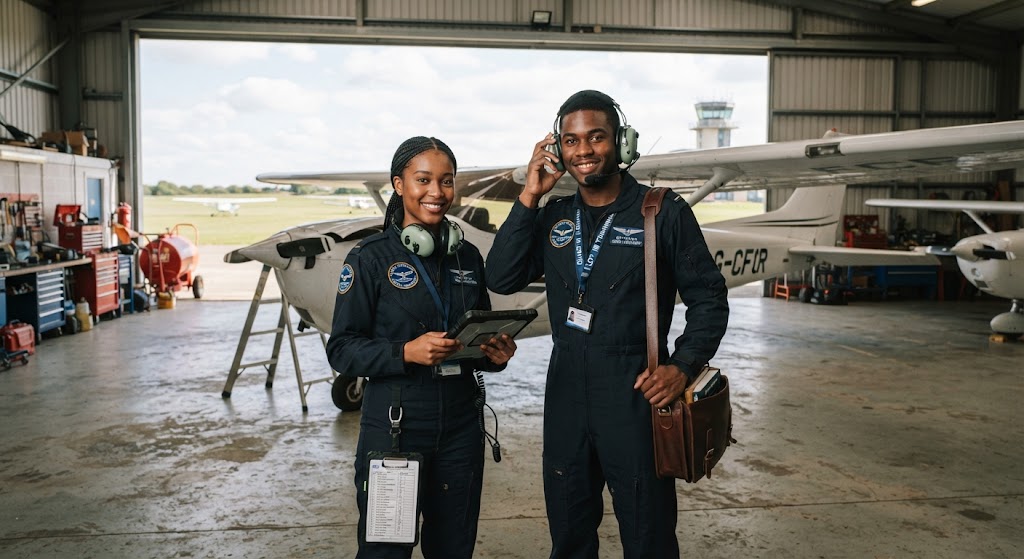
Student pilots spend time studying subjects such as aviation regulations, navigation, meteorology, aircraft systems, human performance and flight principles.
They then apply what they learn during practical flight training.
This means students need to be prepared for both academic work and hands-on training. Passing the theory examinations is an important part of progressing through pilot training.

4. Check the school’s credentials
Choosing a flying school should involve more than looking at its location or the cost of training.
Confirm that the institution is properly approved to provide the training you want. You can also ask about its instructors, aircraft used for training, maintenance arrangements, safety procedures and student support.
The Kenya Civil Aviation Authority regulates civil aviation in Kenya, including the licensing and oversight of aviation personnel and approved training organisations.
Doing these checks before paying fees can help you understand exactly where your training will take place and what standards the institution is expected to meet.
5. Understand that training requires patience
Pilot training can be demanding, and progress may not always happen at the same pace for every student.
Weather, aircraft availability, examinations, finances and individual learning progress can all affect the training timeline.
There may also be days when flying does not go according to plan. Students need to be willing to learn from instructors, practise consistently and take safety procedures seriously.
Joining flying school is therefore more than pursuing the excitement of flying. It requires commitment, preparation and a willingness to keep learning.
Before enrolling, aspiring pilots should compare schools, understand the licensing requirements and make a realistic financial plan. A clear understanding of the journey can make the transition from aviation dream to pilot training much easier.