Advertisement
Why posting 2016 photos has become the first big trend of 2026
17th January, 2026 08:23 AM

The first major viral trend of 2026 has taken over social media feeds: the massive wave of people posting 2016 throwback photos, videos, and edits under captions like ‘2026 is the new 2016,’ ‘Happy 2016,’ or ‘It’s officially 2016 again.’
What started building in late 2025 exploded right after New Year’s Day, turning January 2026 into a full-blown nostalgia revival.
TikTok searches for “2016” surged dramatically, with millions of videos using rosy, oversaturated 2016-style filters, while Instagram and X were filled with carousel dumps of decade-old selfies.
Perfectly timed 10th anniversary
At its core, this trend marks the exact 10th anniversary of 2016, a milestone that feels perfectly timed for reflection. Nostalgia psychology helps explain why: people often romanticise eras from their late teens or early 20s, when life felt young, free, and energised.
For millennials and older Gen Z (now in their late 20s to mid-30s), 2016 represents the last truly carefree, pre-pandemic internet era. Social media back then felt less algorithm-driven and more communal, when virality seemed shared rather than fragmented into echo chambers.
The year itself was packed with light-hearted cultural moments that many users crave today. Snapchat’s aggressive dog-ear and flower-crown filters dominated stories, the Mannequin Challenge froze groups in hilarious poses, bottle flipping went viral, and Pokémon GO briefly got everyone outside.
Fashion and beauty trends, such as chokers, heavy contour, bomber jackets, and the rise of Kylie Jenner’s ‘King Kylie’ era, defined the look of the time. Music hits like Panda, Black Beatles, and Justin Bieber’s Purpose-era tracks became instant time machines, instantly tied to specific memories.
Celebrities join in
Many users explicitly frame the trend as a form of escapism. In a world still grappling with post-2020 fallout from economic stress to a more polarised online culture, 2016 symbolises ‘simpler times’ before everything felt heavier and more divided.
Even references to quirky moments like Hamilton mania or the infamous clown sightings are shared with affectionate humour, rather than fear or irony.
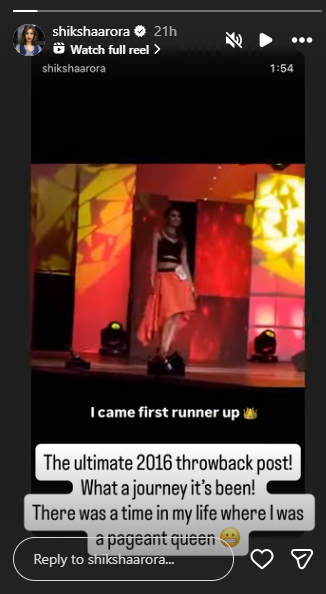
The revival gained momentum once celebrities and brands joined in. Selena Gomez shared tour throwbacks; media personality Shiksha Arora also joined the trend, resurfacing a 2016-era Instagram post reflecting on “the year I was crowned First Runner Up in a beauty…” a personal milestone that aligned with the wider wave of reflection sweeping social platforms.
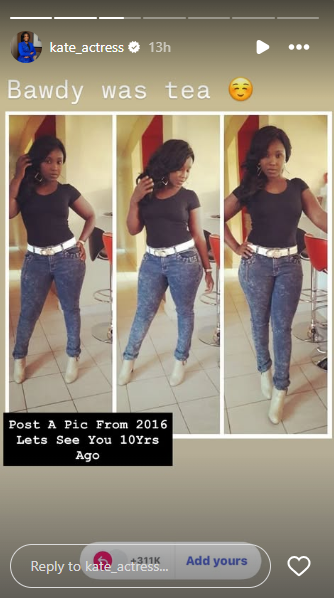
Kate, the actress, also joined the trend, resurfacing a 2016-era Instagram post.
Of course, the trend hasn’t gone unchallenged. Some users point out the selective memory at play, noting that 2016 also carried real-world turmoil and cringey trends best left behind.
But the pushback remains minor compared to the overwhelming embrace of feel-good nostalgia. Cultural analysts note that people are craving “mass culture” moments, times when everyone seemed to be sharing the same jokes, trends, and references.
As January 17, 2026, rolls on, the trend shows no signs of slowing. More than just throwbacks, these posts function as a collective exhale, a digital time capsule capturing a moment when online life felt less curated and more joyful.
Whether 2026 truly becomes ‘the new 2016’ remains to be seen, but for now, social media feeds offer clear evidence: the past is trending harder than ever.
Author
William Muthama
William Muthama is a digital journalist with a focus on entertainment, human interest, and current affairs. Share stories: [email protected]/ [email protected]
View all posts by William Muthama