Advertisement
New Year, New Boundaries: How to break free from trauma bonds in 2026
03rd January, 2026 09:00 AM
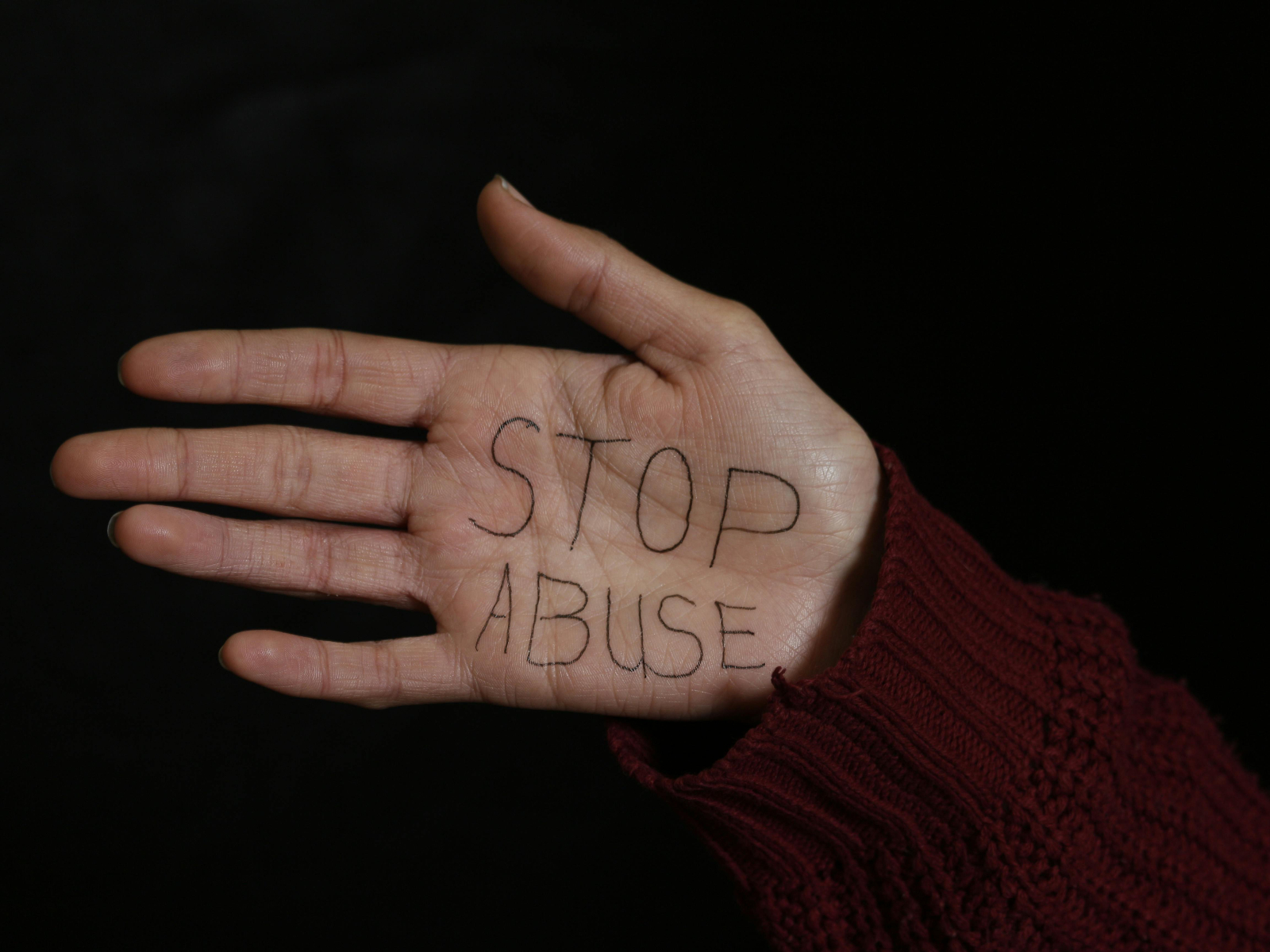
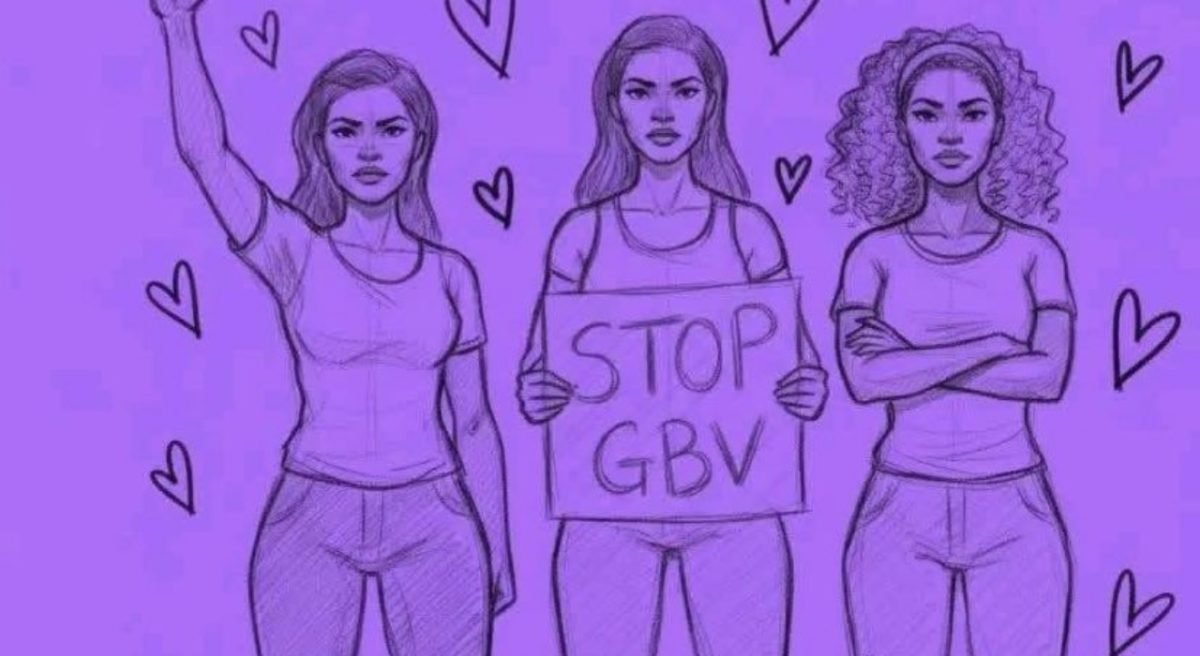
Toward the end of 2025, gender-based violence (GBV) dominated online conversations following a surge in reported cases. During the 16 Days of Activism Against GBV, not only survivors but also prominent public figures spoke out strongly against abuse.
Yet one question kept coming up: Why do some victims of GBV stay in abusive relationships or even protect their abusers?
The answer is often misunderstood. Victims rarely stay out of love, they remain because of trauma.
In abusive relationships, repeated harm followed by moments of care or remorse can create what psychologists call a trauma bond. Over time, the relationship stops being about love and becomes an emotional cycle of pain and attachment, making it extremely hard for victims to leave.
As we step into 2026, the new year offers an opportunity for healing and setting boundaries. Breaking free from trauma bonds starts with awareness, self-respect, and practical steps to reclaim your life.
This year, survivors can choose to prioritise their safety, peace, and emotional freedom, building relationships based on respect, not fear.
What are trauma bonds?
Trauma bonds form when repeated hurt is followed by affection, apologies, or temporary peace. Over time, the mind learns to attach love to pain. This bond can appear in romantic relationships, friendships, family ties, or even work environments.
Trauma bonds thrive on inconsistency, where highs and lows replace stability and safety.
You might be in a trauma bond if you stay despite repeated hurt because you feel they might change, or make excuses for harmful behaviour, or feel anxious when away from the person, ignore your own needs to avoid conflict or believe you are the only one who can help them.

However, breaking free means understanding the cycle and choosing healing over familiarity.
Here is how you can break free from trauma bonds.
- Acknowledge the pattern
Write down what is happening in your relationship, your feelings, and your reactions. Seeing the pattern clearly helps you understand that the bond is not love, it is trauma.
- Build a support system
Isolation strengthens trauma bonds. Reach out to friends, family, support groups, or mentors who can validate your experiences and provide encouragement.
- Seek professional help
Therapists, counsellors, or trauma specialists can guide you in understanding patterns, rebuilding self-worth, and learning healthy coping mechanisms. Professional support accelerates recovery and strengthens boundaries.
- Prioritise self-healing
Daily practices like journaling, meditation, exercise, or creative expression help reset your emotional state. Rebuilding your identity outside the abusive relationship is key to long-term freedom.
Leaving a trauma bond is not easy, but every step toward independence and emotional safety is a victory. This year, choose boundaries, choose your peace, and choose relationships built on love, trust, and respect.