Advertisement
How to quit addictive behaviours easily
14th December, 2025 10:37 PM

Many Kenyans have lost, are losing, and will continue to lose big and rare opportunities because of addictions that range from sexual habits, drug use, gambling, and other destructive behaviours.
These addictions silently rob individuals of their health, their finances, and their future. Cutting off a behaviour is never easy, but that does not mean it is impossible.
It is often said that acceptance is the first step towards healing, and once a person acknowledges the problem, the journey to freedom begins.
1. Acceptance as the foundation
The truth is that denial keeps many people trapped. A young man in Nairobi may convince himself that betting is just entertainment, yet every month his salary disappears into endless wagers.
A woman in Kisumu may believe her drinking is “social,” even though her family suffers from neglect. Acceptance is not a sign of weakness; it is a sign of courage.
It is the moment you stop lying to yourself and admit that the behaviour is stealing your future. Without this step, no progress can be made.
2. Leaning on community support
Kenyan culture thrives on togetherness. From chamas to church fellowships, from football teams to neighbourhood groups, we are never truly alone.
When fighting addiction, this community becomes a lifeline. Sharing your struggle with a trusted friend or relative creates accountability.
It is harder to relapse when someone is watching and cheering you on.
In places like Nairobi and Mombasa, support groups such as Alcoholics Anonymous exist, but even in rural areas, family and faith communities can provide the same strength.
Healing is faster when you walk with others.
3. Replacing the habit
Addiction leaves a void, and if you do not fill it with something better, the old behaviour will return.
Instead of spending evenings at the bar, imagine joining a gym, jogging in Karura Forest, or volunteering at a local initiative.
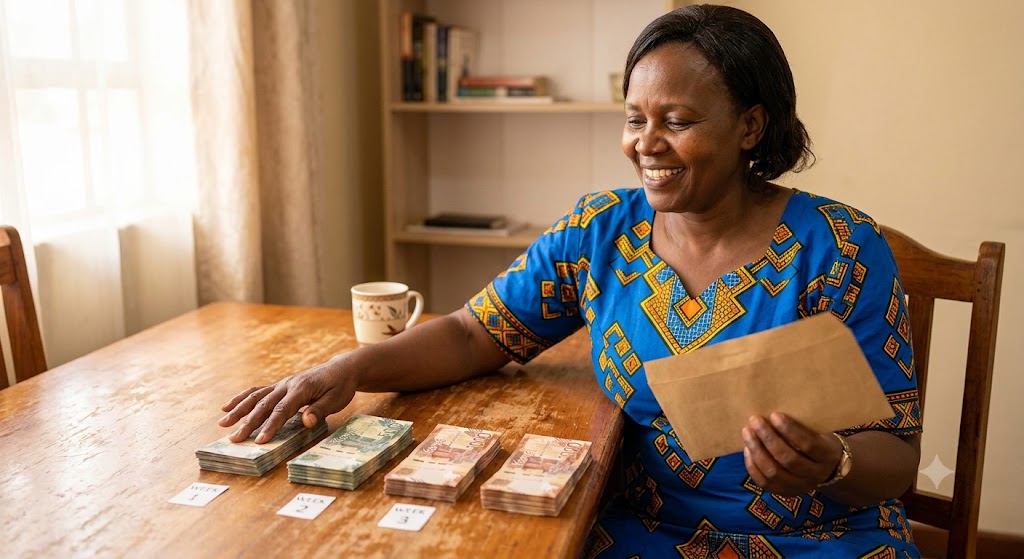
For those hooked on betting, redirect that energy into saving with a Sacco or mobile savings platform like M-Shwari.
Watching your money grow steadily is more rewarding than chasing uncertain wins.
Positive alternatives not only distract you from temptation but also build a healthier, more fulfilling lifestyle.

4. Starting small and building consistency
Many Kenyans attempt to quit suddenly, only to relapse within days.
The better path is gradual change. If you drink daily, begin by skipping one day a week, then two, until the habit weakens.
If you gamble every weekend, reduce the frequency step by step. Consistency matters more than speed.
Every small victory counts, whether it is resisting one drink or ignoring one betting advert.
Over time, these small wins accumulate into lasting change. Patience and persistence are the real weapons against addiction.
5. Strengthening the mindset
Addiction thrives in weak willpower. To overcome it, you must train your mind. Prayer and meditation are powerful tools, deeply rooted in Kenyan traditions.

Motivational podcasts in Kiswahili or Sheng can inspire resilience. Reading stories of Kenyans who overcame hardship reminds us that resilience is part of our DNA.
A strong mindset shields you from peer pressure, especially in environments where destructive behaviours are normalised. When your mind is fortified, temptation loses its grip.
6. Celebrating progress
Healing is not a straight line. There will be setbacks, but celebrating progress keeps you motivated.
If you have gone a month without gambling, reward yourself with nyama choma, a new book, or a family outing.
Share your milestones openly. In Kenya, accountability works best when others can cheer you on. Even if you stumble, what matters is bouncing back quickly.
Progress, not perfection, is the goal. Every step forward is proof that freedom is possible.