Advertisement
Gender-based violence: How govt can strictly deal with the scourge amid rising cases
15th January, 2026 12:59 PM
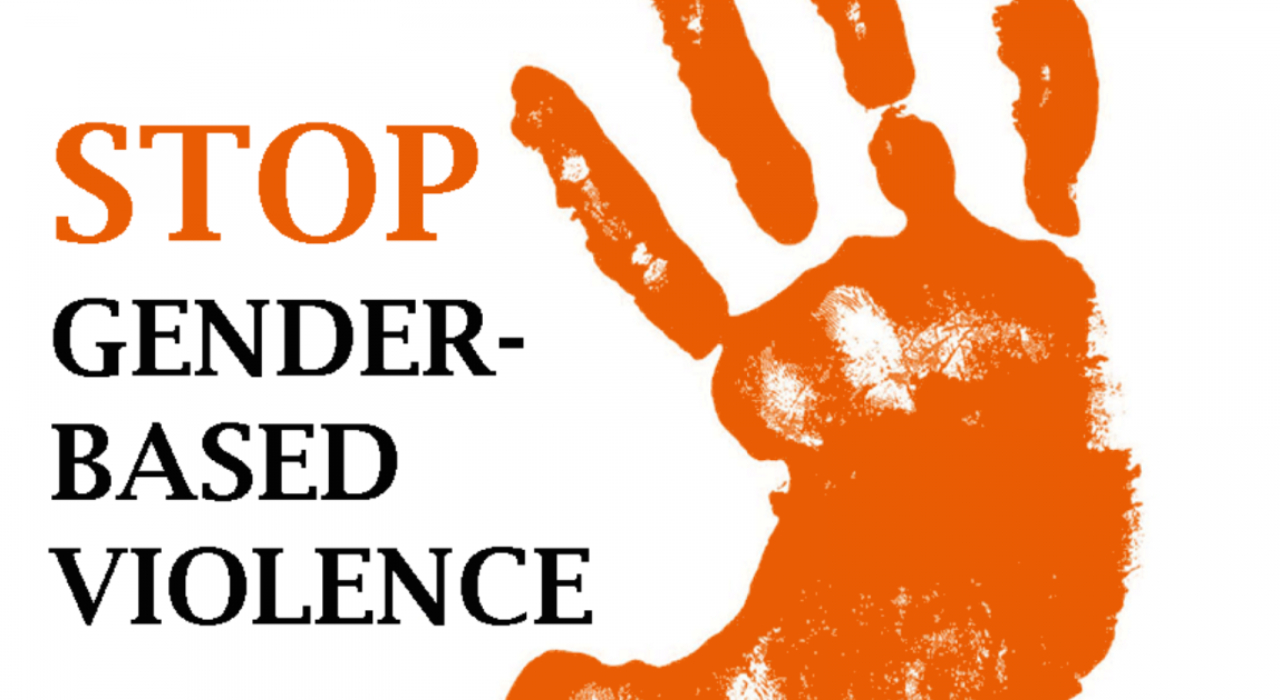
Gender-based violence remains one of the most painful realities in Kenya today. It cuts across age, class, religion and region.
While women and girls are the most affected, men and boys are also victims, often silently.
For years, conversations around GBV have leaned heavily on outrage, protests and condemnation. While those reactions are understandable, experts agree that lasting solutions lie in systems, not anger.
Dealing with GBV does not require magic. It requires coordination, investment and intention.
Specialised GBV units
One of the fastest ways to reduce GBV cases is to create dedicated police units that handle GBV cases only.
Officers in such units would be trained specifically to handle survivors with dignity, confidentiality, and urgency.
When cases are handled by general duty officers who are overstretched or untrained, survivors are often discouraged at the earliest stage.
A specialised unit ensures that reporting is taken seriously from the first moment.

The same approach should apply to courts. Setting aside GBV-specific courts or designated days for GBV cases would reduce delays that often push survivors to withdraw cases.
Justice delayed is justice denied, and in GBV cases, delays can be deadly.
Allocate budgets for GBV response
Good policies fail without money. Government can act swiftly by allocating clear, protected budgets for GBV prevention and response.
These funds should not be mixed with general welfare budgets.
Such funding would support safe houses, counselling services, forensic support and survivor relocation when necessary.
When resources are predictable and ring-fenced, response becomes faster and more reliable.
A survivor should not be told to “come back tomorrow” because fuel, forms or officers are unavailable.
Just like the National Intelligence Service budgets, budgets for GBV should be discreat, free from public discussions, only work.
Introduce GBV education early in schools
GBV should not be introduced as a women’s issue. It should be taught as a human values and safety issue. Schools provide a powerful opportunity to shape attitudes early.
Age-appropriate education can help children understand consent, respect, boundaries and emotional regulation.
Boys should be taught that strength includes empathy and accountability. Girls should be taught that safety and dignity are rights, not privileges.
When young people grow up understanding these values, violence naturally reduces over time.
Use technology for real-time prevention and response
Technology offers one of the fastest solutions available today. The government can support the development of real-time GBV reporting systems that work quietly and quickly.
A simple mobile-based alert system could allow a victim or witness to send a distress signal that captures exact location coordinates. This data could be fed into a central command centre where trained officers monitor live alerts.
Police units placed on standby mode can be dispatched immediately, rather than after lengthy reporting processes. Speed saves lives.
Such systems should work even on basic phones and be accessible in both urban and rural areas.
Treat GBV as a public safety issue
One of the biggest barriers in GBV response is silence. Many cases remain hidden because violence is still viewed as a private family issue.
Government messaging should clearly frame GBV as a public safety concern, just like robbery or terrorism.
When communities understand that reporting violence is an act of protection, not betrayal, reporting rates increase.
Community leaders, faith institutions and local administrators should be trained to respond appropriately, not to mitigate harm.
Support survivors beyond rescue
Rescue is only the first step. Survivors need long-term support to rebuild their lives.
This includes access to mental health services, legal aid, skills training and economic empowerment.
When survivors are supported to regain independence, cycles of violence are broken permanently.