Advertisement
7 types of phone screen protectors in Kenya and what each means
18th January, 2026 11:07 PM
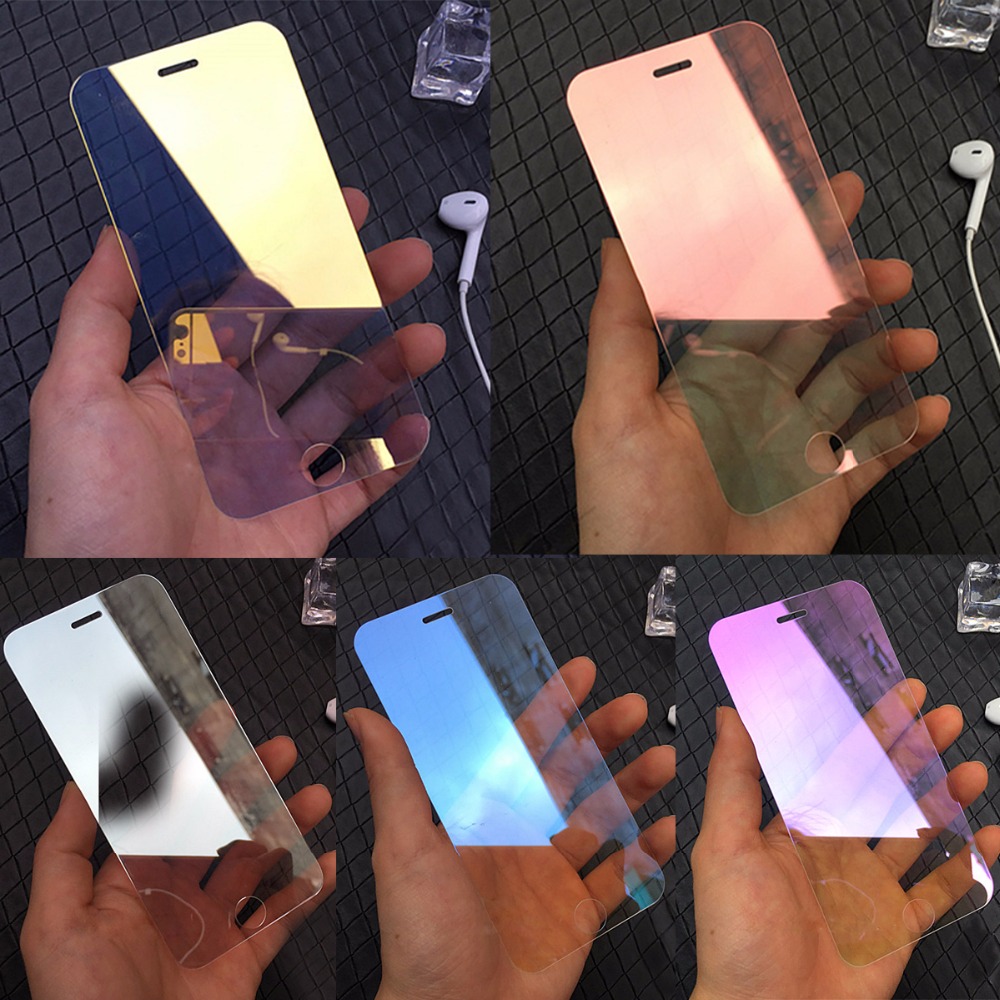
A smartphone is not just a gadget. It is your mobile money wallet, camera, office tool, school assistant, entertainment centre, and business partner. That is why buying a good phone screen protector is no longer optional. It is a smart move.
However, once you walk into a phone shop in Nairobi CBD, Westlands, Gikomba, or even a small kiosk in your local town, you will hear many confusing terms.
“Ni 3D.” “Ni full glue.” “Ni privacy.” “Ni ceramic.” “Karibia kariabia kastomaaa.” If you do not understand what these words mean, you might pay extra for a protector that does not match your phone or lifestyle.
This guide breaks down the most common types of screen protectors in Kenya, what each one means, and who should buy it.
Plastic film screen protector
A plastic film screen protector is the most basic option and also the cheapest in most Kenyan phone shops. It is a thin plastic layer placed on top of your phone screen to protect it from light scratches and dust.
This type is best for people who want a quick, affordable solution, especially if they are planning to upgrade their phone soon.

The downside is that plastic films do not protect well against drops. They also peel easily, collect bubbles, and can look old fast if you keep your phone in the same pocket with keys or coins.
Tempered glass screen protector
Tempered glass is the most common screen protector in Kenya because it offers strong protection at a reasonable price. It is thicker than plastic film and is designed to absorb impact when your phone falls.
Many tempered glass protectors come with the label 9H, which usually refers to scratch resistance.
A good tempered glass protector can crack during a fall while saving the actual phone screen, which is exactly what you want.
This is the best choice for most Kenyans who commute daily, use matatus, work in busy environments, or handle their phones frequently.
Full cover screen protector
A full cover screen protector is designed to cover the entire front of the phone, including edges. This type is popular for phones with bigger screens and curved designs.
In Kenyan shops, you may hear it called full cover, edge to edge, or full screen. It gives a neat finish and looks more premium than regular tempered glass.

The main issue is that full cover protectors require proper installation. If applied poorly, the edges may lift, trap dust, or peel with time.
Full glue screen protector
Full glue screen protectors are different from regular glass protectors because they stick across the entire screen, not just the edges.
In Kenya, sellers often insist full glue is better because it improves touch response and reduces air gaps.
If you have ever used a protector that feels like it has space between the screen and the glass, that is usually not full glue. Full glue protectors feel smoother and more natural when typing, scrolling, or gaming.
This option is ideal if you want strong protection with better screen sensitivity.
Privacy screen protector
A privacy screen protector is made to prevent people from seeing your screen from the side.
If someone sits next to you in a matatu or stands behind you in a queue, they will see a dark screen, while you can still view everything clearly from the front.
This is a great option for Kenyans who frequently use M-Pesa, do online banking, work with sensitive information, or simply value privacy in public spaces.
The trade off is that privacy protectors can reduce brightness slightly and make your screen look darker outdoors, especially under strong sunlight.
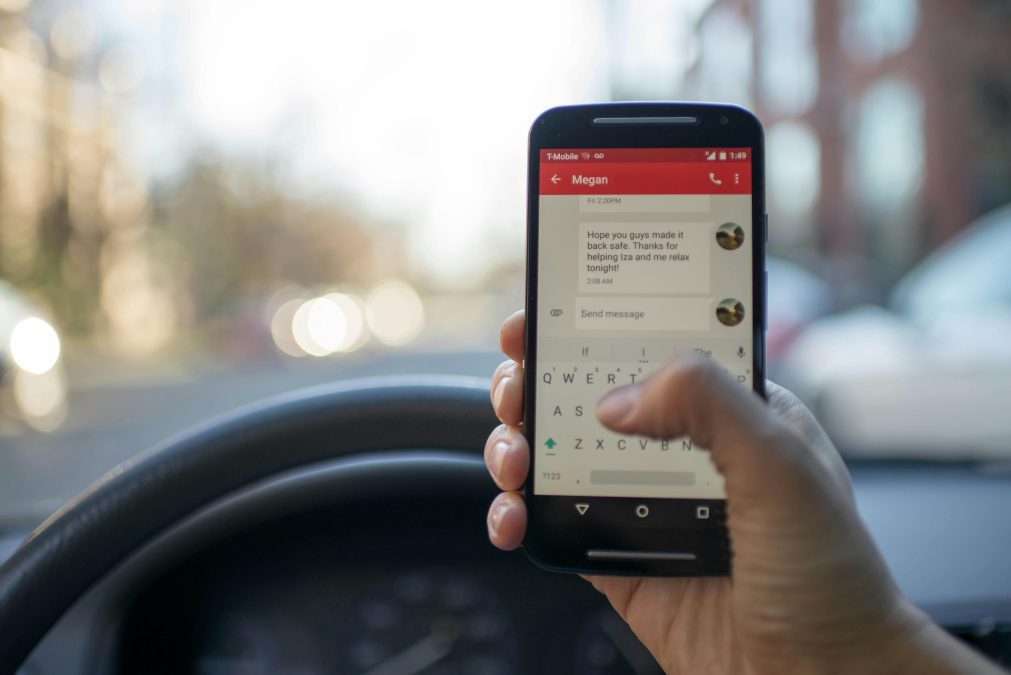
Matte or anti glare screen protector
A matte screen protector is designed to reduce glare and reflections. It is common among people who spend time outdoors or use their phones under bright light.
Matte protectors also reduce fingerprints and smudges, giving the screen a clean look. Many users like the smooth, soft feel when scrolling.
The downside is that matte protectors can reduce screen sharpness. Videos and photos may not look as crisp as they do with clear tempered glass.
Ceramic or nano screen protector
Ceramic screen protectors, sometimes called nano protectors, are flexible and thin. They do not crack like tempered glass, which makes them attractive to people who hate seeing broken protectors.
Ceramic protectors offer good scratch protection and moderate impact resistance, but they may not protect as well as thick tempered glass during heavy drops.
Nano liquid protection is also sold in Kenya as liquid glass. It is applied like a coating and claims to improve scratch resistance. However, it does not offer serious drop protection like glass protectors.
Camera lens protector
Many Kenyans focus on the screen and forget the camera. A camera lens protector covers the back camera area to prevent scratches, especially if you place your phone on rough surfaces or carry it in a handbag with other items.
If you love taking photos, choose a quality lens protector because cheap ones can affect photo clarity or create glare at night.