Advertisement
What to Know about Kenya’s sacred Mrima Forest that China and US are scrambling for
28th October, 2025 06:40 AM
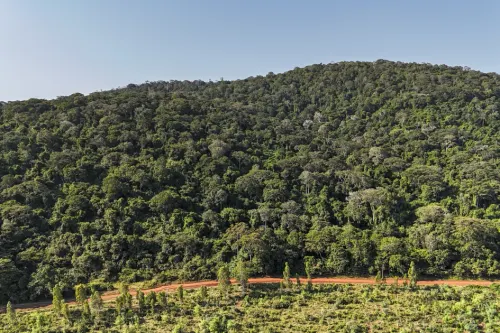
China and the United States of America (USA) governments are currently scrambling to claim a sacred hill in the country, said to be rich in rare earths.
It is said that these minerals are vital to high-tech and low-carbon industries, making the small forest very desirable to both economies.
Also Watch: Residents of Kwale allowed to monitor Dzombo hill forest at the comfort of their phones.
The forest is called Mrima and covers 390 acres and is located near the Indian Ocean coastline.
So far, a consortium of two Australian mining firms has already announced a bid to mine rare earths on the site, and locals say land speculators are flocking to the area.
As such, the locals from about five villages fear being evicted from the area as more foreign companies move in.
The Digo community, for instance, fears that they will be evicted or denied a share in the earnings from future mining endeavours by the foreigners.
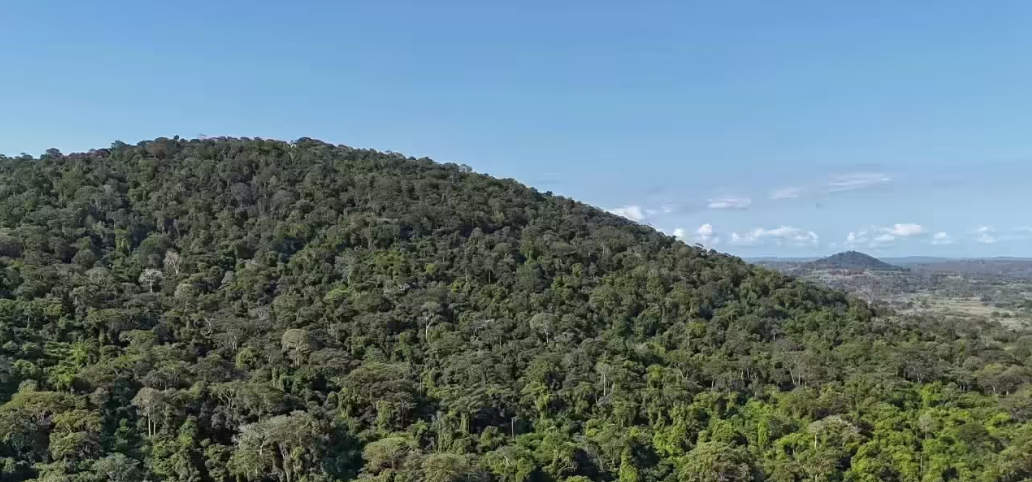
There is also the issue of the forest being host to their sacred shrines.
Mrima Hill has also long supported farming and livelihoods in the area, whose population mostly lives in extreme poverty.
So far, the hill has been embroiled in several legal battles as the locals fight to protect their land, and investors keep bidding and applying for licenses.
In 2013, the government revoked the mining license that had been issued to a Kenyan firm to mine in the area, citing environmental and licensing irregularities.
However, the company argued in a lawsuit that it had been revoked after they failed to pay a bribe to the then mining CS, an accusation he denied.
In 2019, the government imposed a temporary ban on new mining licences over concerns about corruption and environmental degradation.
In early 2025, however, it introduced several reforms, including tax breaks and improved licensing transparency, aimed at attracting investors and boosting the sector from 0.8 per cent of GDP to 10 per cent by 2030.
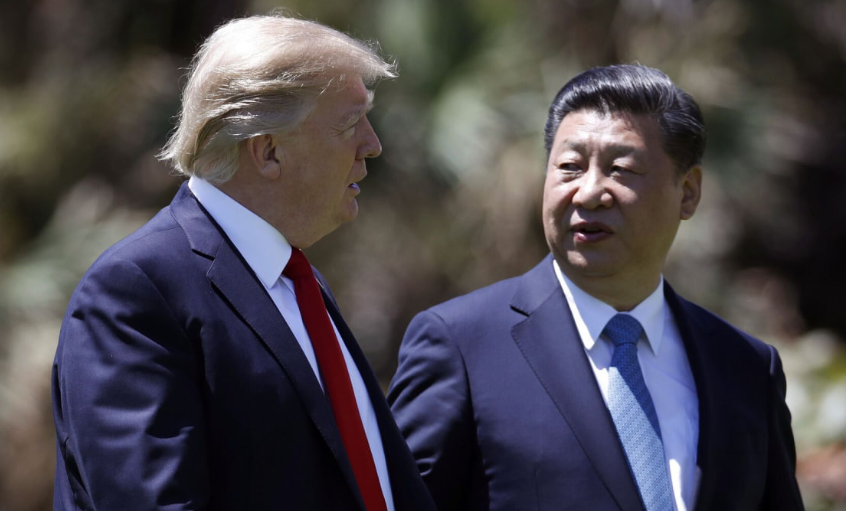
This is a particularly major opportunity for China, which is the biggest source of rare earths and has been cultivating a diplomatic relationship with Kenya for years.
Why interest in Mrima?
President Donald Trump’s administration, on the other hand, has made securing critical minerals central to its diplomacy in Africa, including through a peace deal in the resource-rich Democratic Republic of Congo in 2025.
Mrima Hill is not just a mineral-rich site; it holds immense strategic and economic significance for Kenya. Properly managed, the hill could position the country as a key global supplier of rare earth elements vital for clean energy technologies, electric vehicles, and advanced electronics.
This could translate into billions in revenue, job creation, and infrastructure development, while reducing reliance on foreign imports for industrial growth.
However, without strict environmental safeguards, transparent contracts, and fair benefit-sharing with local communities, Kenya risks falling into the trap of resource exploitation, where foreign powers reap the rewards while locals face displacement, cultural loss, and environmental destruction.
The real test lies in whether Kenya can turn Mrima Hill into a model of sustainable wealth creation rather than another chapter of exploitation.