Advertisement
Leukaemia: How to identify warning signs before it’s too late
12th November, 2025 11:42 AM
Leukaemia is a cancer of the white blood cells that begins in the bone marrow, where blood cells are produced.
It is categorised by the type of white blood cell affected, lymphoid or myeloid, and by how quickly it develops.
Acute leukaemia appears suddenly and progresses rapidly, while chronic leukaemia develops gradually over months or years.
According to the Cancer Council, recognising early warning signs is essential for timely diagnosis and treatment.
Early symptoms to watch
Many people with leukaemia may initially show no symptoms. When symptoms do appear, they can be subtle and easily mistaken for minor illnesses.
Common warning signs include persistent tiredness, anaemia (pale complexion, weakness, or breathlessness), frequent infections such as mouth sores or fevers, and easy bruising or bleeding.

Less common symptoms include bone pain, swollen or tender gums, skin rashes, headaches, vision problems, vomiting, enlarged lymph nodes, an enlarged spleen causing discomfort, and chest pains.
Being alert to these signs and seeking prompt medical evaluation can make a major difference in early diagnosis.
Also watch: Patients with life-threatening conditions such as leukaemia, lymphomas, sickle cell disease, and immune deficiency disorders can now be treated with bone marrow transplants here in Kenya.
Causes and diagnosis
The exact cause of acute leukaemia is unknown, though several factors may increase risk, including exposure to high levels of radiation, certain chemicals like benzene, and viruses such as the Human T-Cell leukaemia virus.
Chronic forms are often linked to genetic mutations, such as the Philadelphia chromosome.
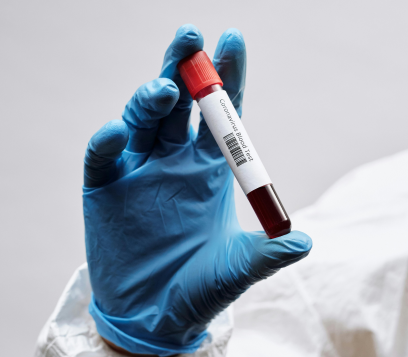
Diagnosis usually involves blood tests to detect abnormal blood cell counts, bone marrow biopsies, chest X-rays, and sometimes lumbar punctures to check for leukaemia cells in spinal fluid.
Treatment and management
Treatment depends on the leukaemia type and may include chemotherapy, radiation therapy, stem cell or bone marrow transplants, targeted drug therapy, or biologic therapy.
Managing side effects such as fatigue, nausea, hair loss, infections, and easy bruising is an important part of care.
Multidisciplinary teams, including haematologists, oncologists, nurses, and allied health professionals, ensure patients receive coordinated care and support throughout treatment.
There are currently no proven methods to prevent leukaemia. While some lifestyle adjustments, such as reducing chemical exposure, may lower risk, most cases occur due to factors beyond control.
Prognosis depends on the leukaemia type, age, overall health, and how early it is diagnosed.
Many children and adults achieve remission through timely and appropriate treatment.
The Cancer Council stresses that awareness of early symptoms and regular medical check-ups remain the most effective tools for detecting leukaemia before it progresses.
If you notice persistent fatigue, unexplained bruising, frequent infections, or other unusual symptoms, don’t ignore them. Early medical advice can make a life-saving difference.
Author
William Muthama
William Muthama is a digital journalist with a focus on entertainment, human interest, and current affairs. Share stories: [email protected]/ [email protected]
View all posts by William Muthama