Advertisement
How to help end stigma and work towards a future free from HIV&AIDS
01st December, 2025 08:40 AM
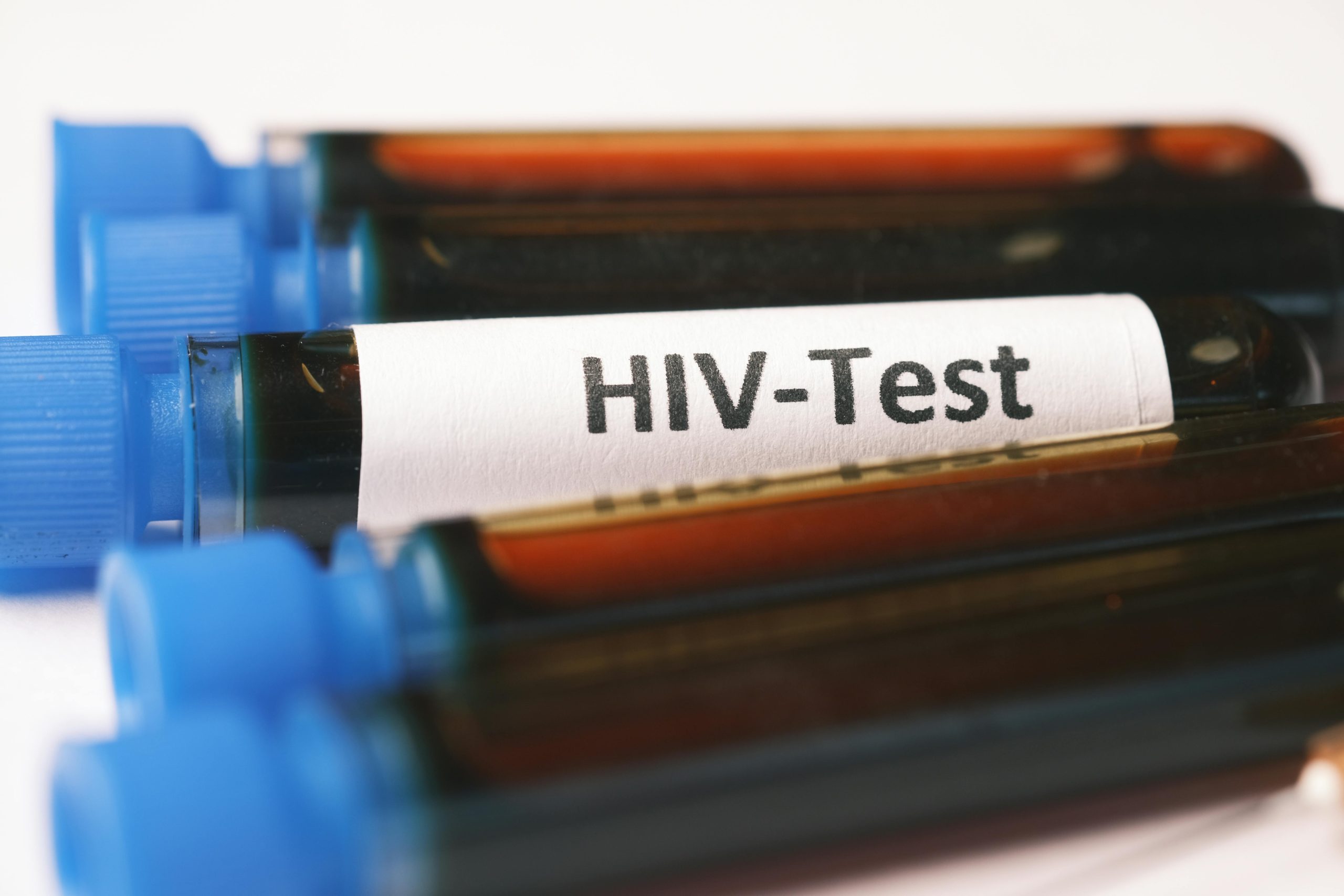
Ending the stigma around HIV and AIDS starts with awareness, empathy, and action. Despite medical advances, many people living with HIV still face discrimination, fear, and isolation barriers that prevent them from accessing care, support, and living full lives.
As an individual, you have many ways to take action to reduce the stigma and discrimination you may be facing.
Also Watch: HIV Stigma Deepens Struggles for Vulnerable Children and Caregivers
Educate yourself and others
Discrimination against people with HIV is often rooted in a lack of understanding about the virus and how it spreads. Contact your local public health department to find community-based organizations that provide HIV/AIDS information, counseling, and testing.
Know your rights
Federal law protects people with disabilities, including those with HIV infection, from discrimination. Laws such as the Americans with Disabilities Act (ADA) and the Fair Housing Act protect your rights in the workplace, in housing, and in other settings.
Also Watch: Combating HIV/AIDS – Stigma remains high in rural areas
For example, the ADA requires employers to accommodate the needs of workers with disabilities such as HIV/AIDS as long as they can still do the required tasks of their job.
Meanwhile learn to become an advocate. One of the best ways to counter discrimination is to advocate for change in policies that prevent people with HIV from getting the care, housing, and respect they need.
Consider being open with those you can trust
You can choose whom to tell about your HIV status. Not all of your friends and loved ones have to know. You need to think about who can give you the support and comfort you deserve.
Although it may be stressful to talk about, being able to confide in people you trust and getting the support you deserve will be an enormous relief. It’s also good to remember that you can’t control other people’s prejudices; prepare for possible negative reactions, at least at first.
Seek support
Studies show that people with strong social support are less likely to feel stigmatized than those who are isolated. If you’re uncomfortable seeking comfort from friends and family, contact your local public health department to find HIV support groups in your community.
If you already have a close network, consider volunteering to give support to others with HIV.