Advertisement
How to embrace an ageing face
24th November, 2025 12:27 PM

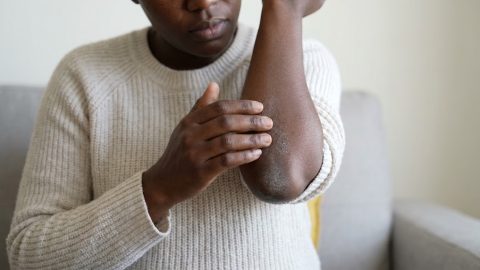
Much like our other organs, our skin begins to age from the moment we are born. In a world obsessed with youthfulness, here’s how you can look after your skin while embracing an ageing face.
Humanity’s obsession with youthfulness has only intensified since Ancient Greece. Our skin, a living ecosystem, is at the centre of this – not only is it the largest organ in the body, but it’s also visible – or as one group of researchers in France put it, “social”.
In fact, in their study of 1,300 people across 54 countries and five sociological age groups (Gen Z, millennials, baby boomers, Gen X and the silent generation), 85 per cent of participants felt that their skin reflected their personality, suggesting it is tied in with their sense of self.
Our skin is incredible, really. While only a few millimetres thick, it makes up one-seventh of our body weight – for the average adult, around 2.7kg to 3.6kg.
“The skin is a very important organ that we take for granted, even though it’s the organ we wear
Embracing an ageing face is challenging
It’s no surprise, then, that as our skin and faces age, it can affect us psychologically. And unpleasant-sounding words like “jowls” do not help.
How we process an ageing face can differ between cultures, ethnicities and genders. Generally, there’s not as much research on body image through the lens of ageing with middle-aged or older adults, says Beth Daniels, director of the Centre for Appearance Research at the University of the West of England.
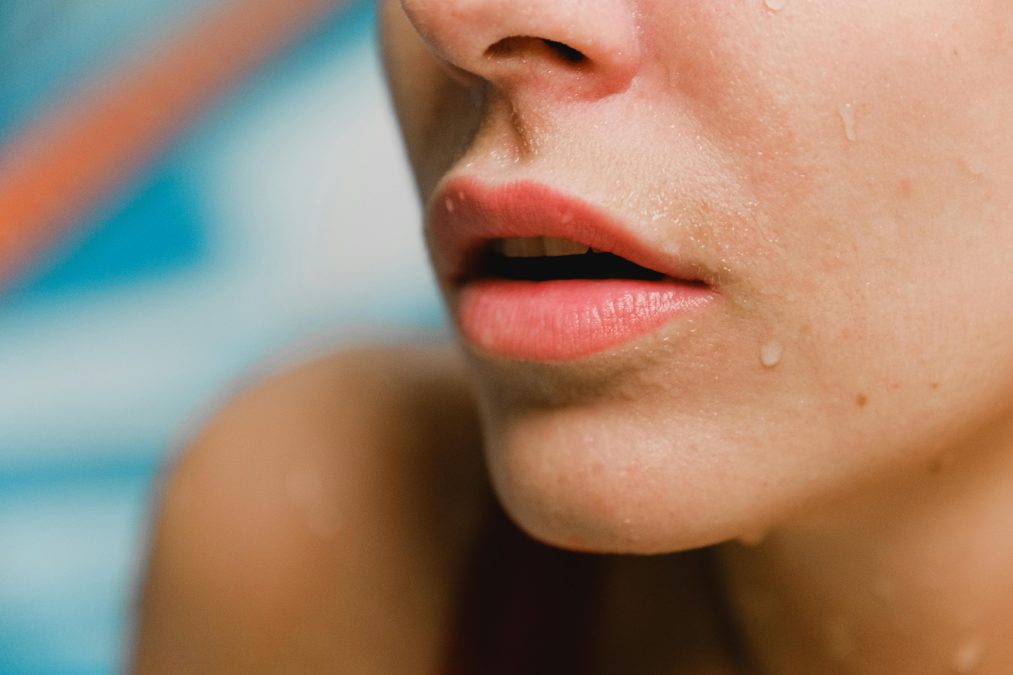
The limited research that has been done also lacks in diversity and has tended to focus on white Europeans, she says. “We know less about ageing and how that might translate into facial satisfaction from people with different cultural and ethnic backgrounds.”
One thing we do know, however, is that while older people are generally more inclined to accept their bodies as they age, male and female experiences of body image are different, typically because female beauty standards are more strongly tied to youthfulness, particularly in Western societies. This has sometimes been referred to as the “double standard of ageing”, where women face greater pressure to keep looking young with age.
How taking care of your skin can help
There are ways you can look after your skin, which may in turn help with the process of seeing it age. “The problem is, obviously, the public views the skin not as a functional organ but as a cosmetic organ that we wear externally,” Murphy says, emphasising that we should show great appreciation for our skin and everything it does for our overall health.
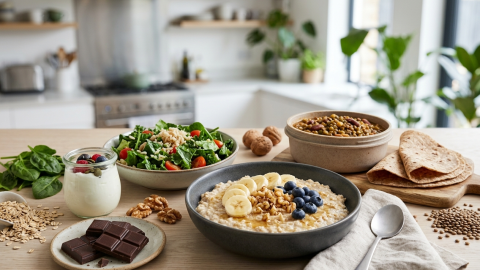
His top tips to protect your skin are to avoid any excessive sun exposure, to keep the skin moist, hydrated, and clean, and to have a good diet. Eating a wide range of foods that are vitamin-rich and contain essential fats like omega-3 fatty acids can benefit your skin as it ages.
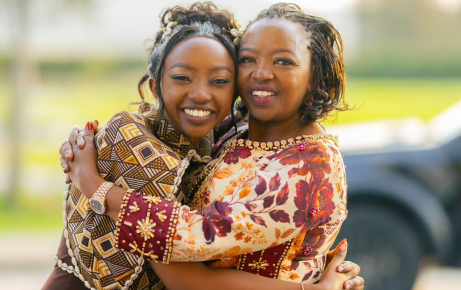
Miranda Farage is a clinical dermatotoxicologist, a scientist who studies how toxic substances affect the skin, at Procter and Gamble in the US. She says that while we can’t do anything about genetics, our lifestyle choices – nutrition, exercise, but also stress-management and mindfulness – all impact our skin health, and in turn our wellbeing. Maintaining social connections like friendships to reduce social isolation may also help with embracing an ageing face, she says.
The way each of us psychosocially adapts to ageing depends on our genetically determined personalities, as well as our early developmental influences and later life experiences. So what’s also important, Farage says, is “educating people to embrace the change and stay resilient”, she says. “Every life stage is a beautiful stage if you move with it.”
As a society, she adds, our attitudes towards ageing faces and ageing in general need to change. “We cannot keep this pressure… [the question of] how we shift society to start thinking differently – that’s what our job will be.”