Advertisement
Don’t let food poisoning ruin your holidays: Easy tips for safe and healthy eating
25th November, 2025 11:40 AM
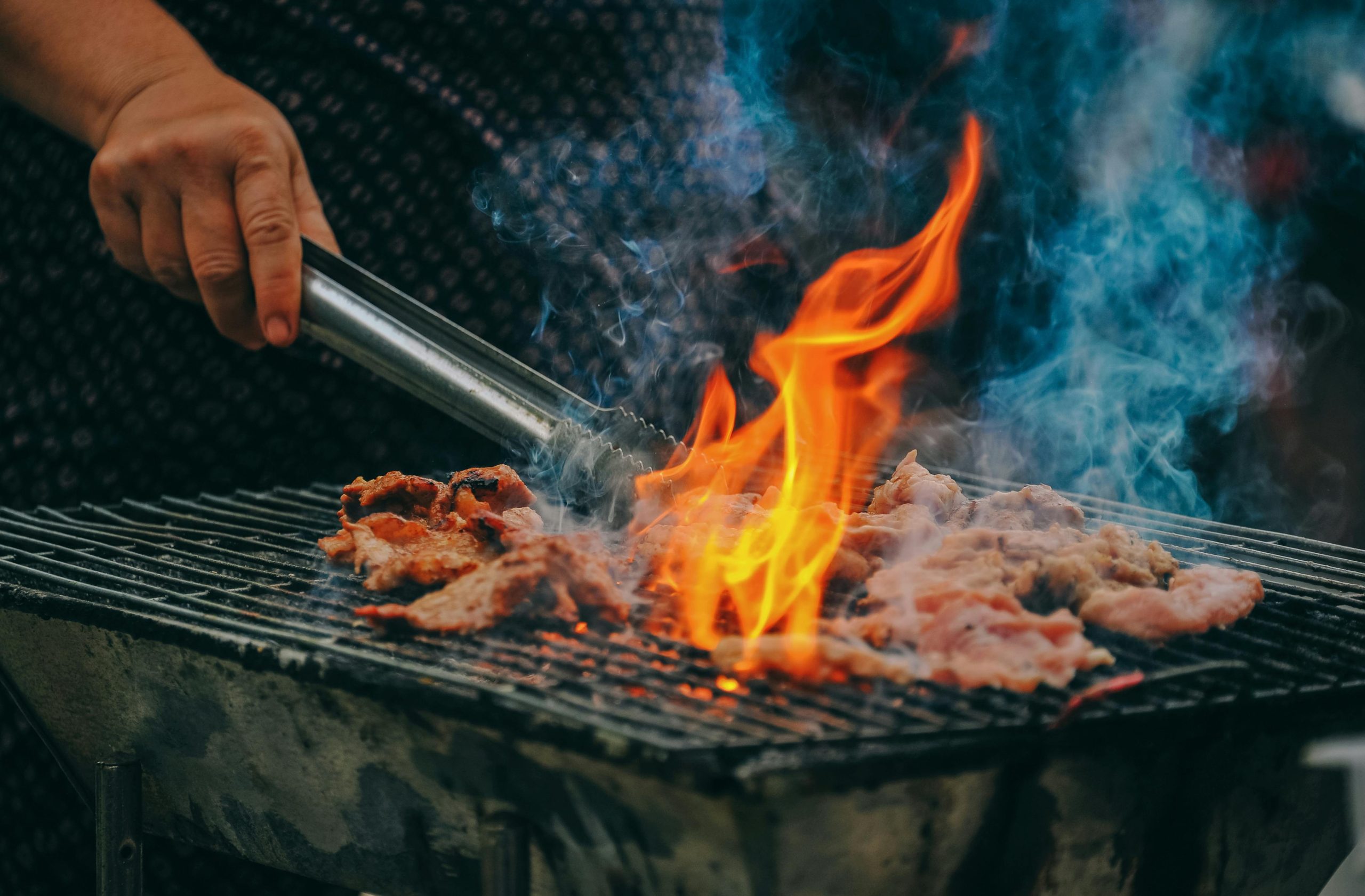
The Christmas holiday is a time for family, friends, and feasting. However, amid the joy of gathering and indulging in delicious food, it is essential to keep food safety in mind. Foodborne illnesses can quickly put a damper on your celebrations.
While most foodborne illnesses come from raw or undercooked food and foods left in the so-called danger zone of cooking temperature, 40 degrees to 140 degrees, in which bacteria multiply rapidly.
Large-batch cooking without proper reheating or storage, as well as cross-contamination of foods during preparation, can also cause disease.
Recently, the Ministry of Health also asked Kenyans to uphold food safety and hygiene during the festive season. Speaking on Saturday, November 8, 2025, in Ishiara, Mbeere North, Embu County, Principal Secretary for Public Health and Professional Standards, Mary Muthoni, called on Kenyans to ensure that the meat they consume during the festive season is properly inspected and certified fit for human consumption.

Food prep tips for safe and healthy meals
Key practice is ensuring you wash your hands regularly before cooking, and after touching raw meat, poultry, or eggs, wash your hands thoroughly with soap and water for at least 20 seconds.
Improper handwashing by people handling food is a major source of bacterial contamination with Staphylococcus aureus. This bacterium’s toxins are hard to break down, even after cooking or reheating.
Also, avoid cross-contamination and ensure a proper use of separate cutting boards for raw meat, vegetables, and bread. Change utensils and plates after handling raw meat before using them for cooked foods.
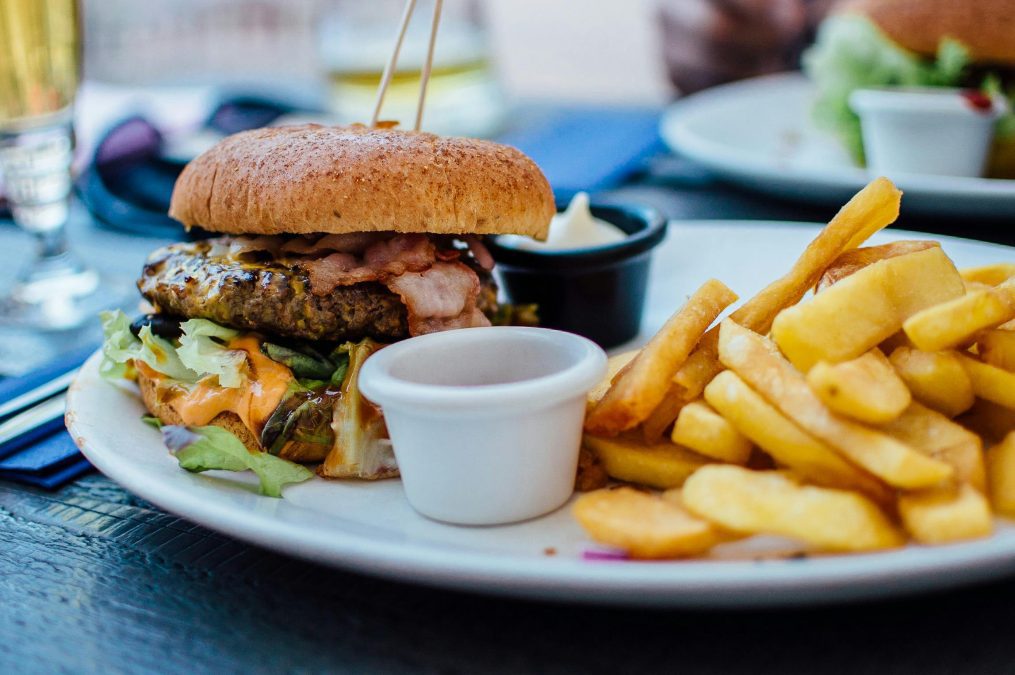
Always keep food at safe temperatures and serve hot foods immediately, and make sure hot foods are served above 140° and cold dishes below 40° to keep them out of the microbial danger zone.
Often, be cautious with buffet-style serving. Limit food time on the table to two hours or less—longer than that, any bacteria present can double every 20 minutes. Provide dedicated serving utensils, and avoid letting guests serve with utensils they have eaten from.
Likewise, be mindful of expiration. Don’t forget to check dates on food items to make sure that what you are serving isn’t expired or left over from last Christmas.
Another key factor is to often educate guests on food safety. Remind guests to wash their hands before preparing or serving food, and politely discourage double-dipping or tasting directly from communal dishes.
Christmas should be a time of gratitude, not gastrointestinal distress. By following these simple food safety tips, you can help ensure a safe and healthy holiday.