Advertisement
Why financial stability is a key factor in thriving as an IRL streamer
25th January, 2026 11:08 AM
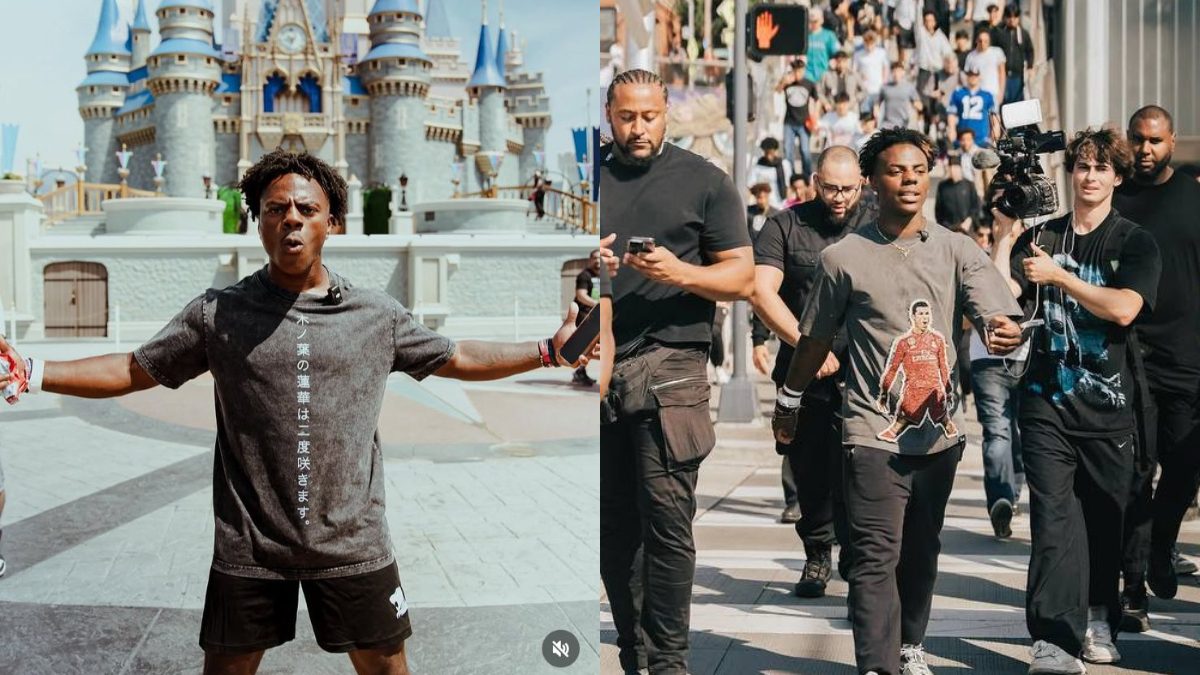
When IShowSpeed arrived in Africa on his ‘Speed Does Africa’ tour, the images that travelled around the world were electric. Crowds filled city streets, phones were raised in the air, and millions watched live as a young internet personality moved freely between cultures with a camera following his every step.
For many viewers, especially those outside the creator economy, the tour was an introduction to the sheer scale of modern livestreaming. It showed that streaming is no longer a teenager in a bedroom talking to a webcam. It is a global media operation with logistics, staff, technology and money behind it.
That sudden attention has helped shine a light on a reality that aspiring streamers often discover too late. Building a career on platforms like Twitch and YouTube increasingly requires financial stability long before fame or income arrives. Talent and personality still matter, but money determines how far those qualities can travel.
Streaming looks simple but it is not cheap
At a basic level, anyone can go live using a phone or a laptop. That accessibility is part of why streaming feels democratic. However, the streams that attract large audiences usually rely on professional equipment. High-quality cameras, microphones, lighting and encoding hardware dramatically improve how a stream looks and sounds.
Reliable internet is just as important, especially for live content, where interruptions can cause viewers to leave instantly.
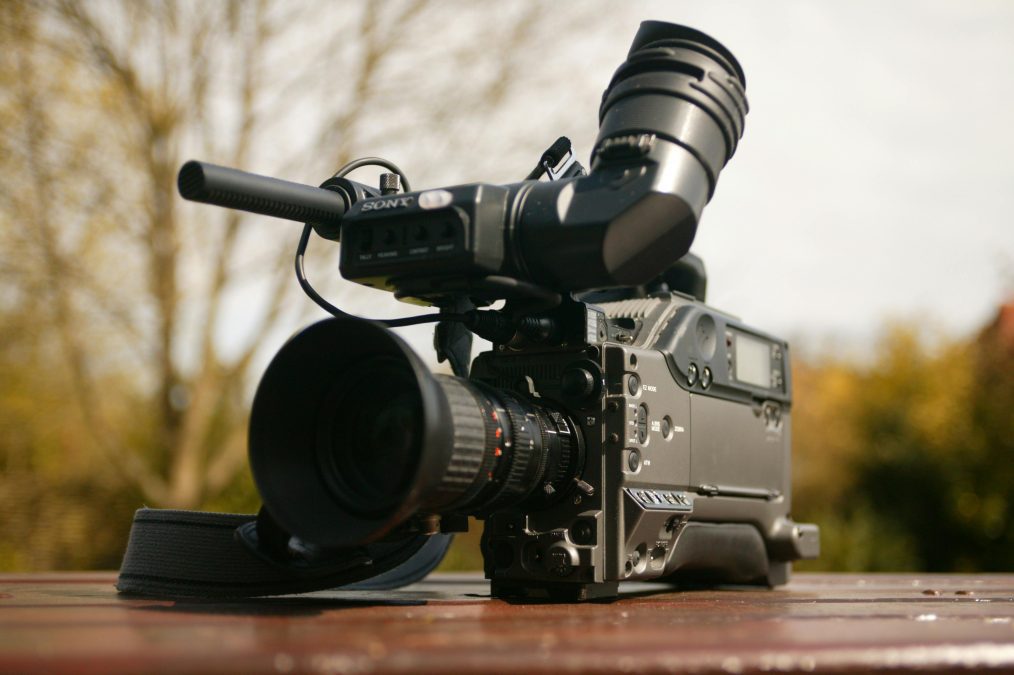
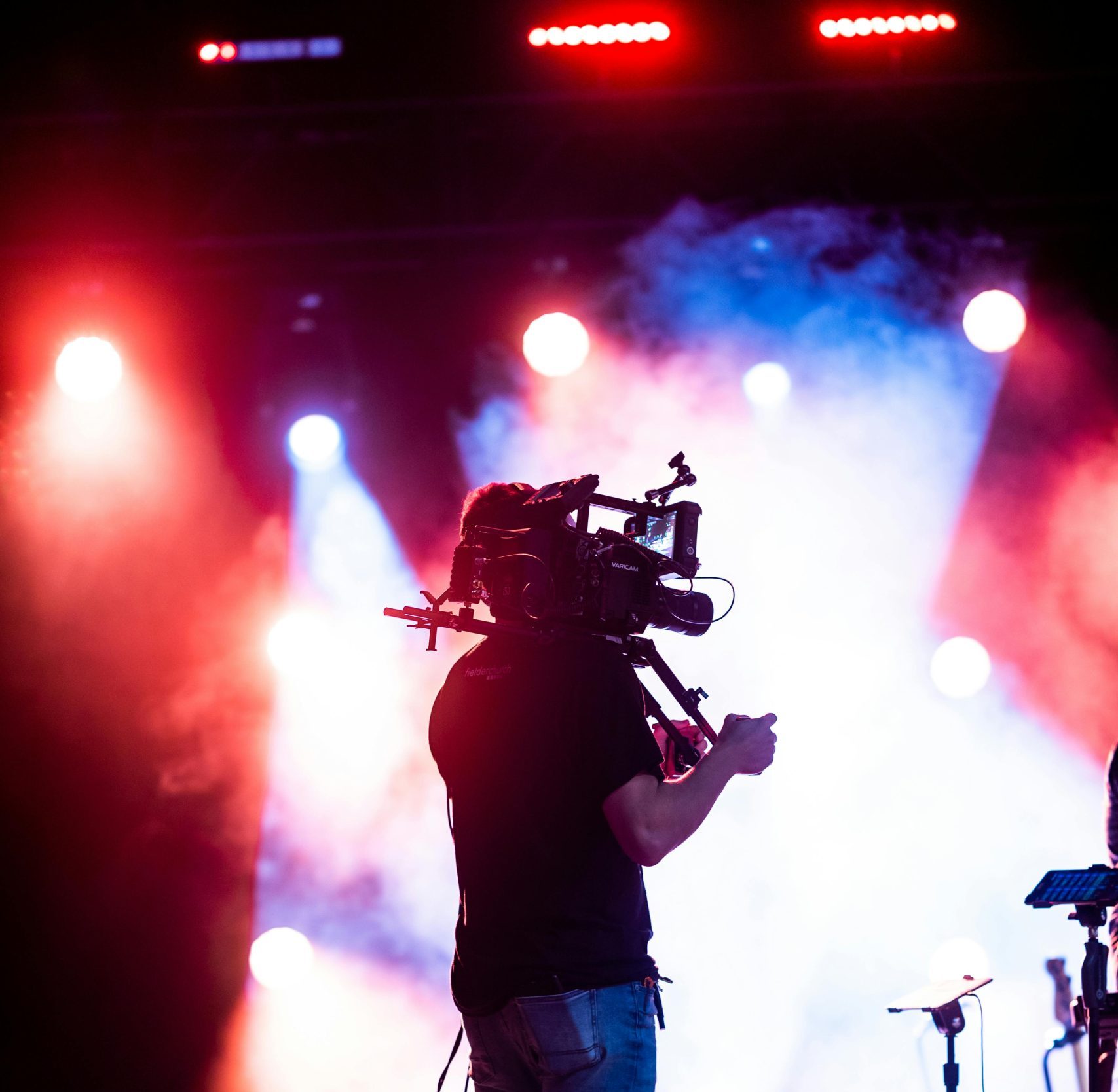
During large-scale streams like IShowSpeed’s Africa tour, the technology involved goes far beyond consumer devices. Multiple cameras are used to capture different angles. Dedicated streaming units combine several internet connections to prevent dropouts.
Backup power and mobile data solutions are on standby in case local networks fail. None of this is visible to the viewer, but all of it costs money. For a new streamer without savings or support, matching even a fraction of that reliability is extremely difficult.
Time is money before money arrives
Another hidden cost of streaming is time. Building an audience on Twitch or YouTube often takes years of consistent posting and long hours spent live. During that period, income is usually low or nonexistent. Streamers still need to pay for rent, food, internet and equipment upgrades.
Those who are financially comfortable can treat streaming as an investment and absorb losses while they grow. Those who are not may be forced to stop just as they begin to gain momentum.
This is where financial security quietly shapes success. A creator who can afford to stream daily, experiment with content and recover from slow growth has a clear advantage over someone who must balance streaming with multiple jobs just to survive.
Platform monetisation does not level the field
Twitch and YouTube both offer monetisation tools such as ads, subscriptions, and donations, but these features usually unlock only after a creator reaches certain thresholds. Even then, earnings vary widely by region and audience size.
In some countries, monetisation options are limited or delayed due to regulatory or payment system challenges. That means creators may build an audience without being able to earn from it immediately.

By contrast, established streamers with existing income can reinvest their earnings into better production, travel, and promotion. iShowSpeed’s tour is a clear example of this cycle. His existing success funded an ambitious project that then generated even more attention and growth. For newcomers without that starting capital, breaking into this cycle is far harder.
Travel and visibility favour those who can afford them
One reason the Africa tour resonated so strongly is that it took streaming out of private rooms and into public spaces. Travel content, live events, and collaborations expose streamers to new audiences at a much faster rate than staying in one location. Yet travel itself is expensive. Flights, accommodation, local transport, and security all add to the cost.
Well-funded creators can chase opportunities wherever they appear. Less resourced creators are often confined to their immediate surroundings, limiting the scale and variety of their content. Over time, that difference compounds into vastly different career trajectories.
Talent exists everywhere, but access does not
Perhaps the most important lesson from the spotlight created by IShowSpeed’s visit is that talent is not a rare ingredient in streaming. Creativity, humor and cultural insight are found in every country and community. What differs is access. Access to equipment, access to stable internet, access to time and access to financial breathing room.
Streaming is often marketed as a low-barrier path to success, but the reality is more complex. While anyone can start, not everyone can afford to continue long enough to succeed. Until platforms, sponsors, or institutions find better ways to support creators early in their journeys, the industry will continue to favour those who begin with resources already in hand.
The excitement around global streaming moments shows what is possible. The economics behind them explain why so few are able to reach that level.
Author
Steve Ireri
Steve is a senior writer with over four years of experience in digital journalism. His focus is on the showbiz and human interest stories. Emails: [email protected] , [email protected]
View all posts by Steve Ireri