Steve Wakaniaru questions why people stay in GBV relationships
By Valerian Khakayi, March 19, 2026Popular masseur and digital content creator Stephen Collins Karuiki, widely known as Steve Wakaniaru, has sparked a candid and emotional conversation around gender-based violence (GBV) in relationships.
In a video shared on his official Instagram account on Wednesday, March 18, 2026, Wkaniaru questioned why many people continue to stay in abusive relationships despite severe harm.
Speaking out on the issue, he further challenged the common assumptions people make when they see victims return to their abusers.
“Why do y’all stay in GBV relationships?” he questioned.
“Watu hupigwa kwa relationship, be it a man or a woman, nataka munifanye nielewe, why do you still stay?”

According to him, cases of extreme violence, ranging from physical assault to life-threatening injuries, often leave outsiders wondering why someone would go back to a partner who has caused such pain. However, his remarks push for a deeper understanding beyond judgment.
“Mtu anakukata panga ya uso, mtu anakuvunja mkono,mtu anakumwagilia maji moto, all these crazy staff, but you still chose them over and over, mtu amebakisha kidogo akuue uka kuwa saved na watu ukenda hosy ukatibiwa but you still chose to go back to them,” he added.
Additionally, the masseur further asked what really drives someone to keep going back to someone who keeps hurting them.
“What really pushes you to this person who keeps on hurting you?” he questioned.
Why do people stay in GBV ships?
Many people remain in abusive relationships because of a psychological pattern known as trauma bonding. This happens when cycles of harm are repeatedly followed by moments of affection, apologies, or temporary calm.
The abuser hurts, then reassures, then hurts again, creating a powerful emotional loop. Over time, the victim becomes attached not just to the person but to the cycle itself.
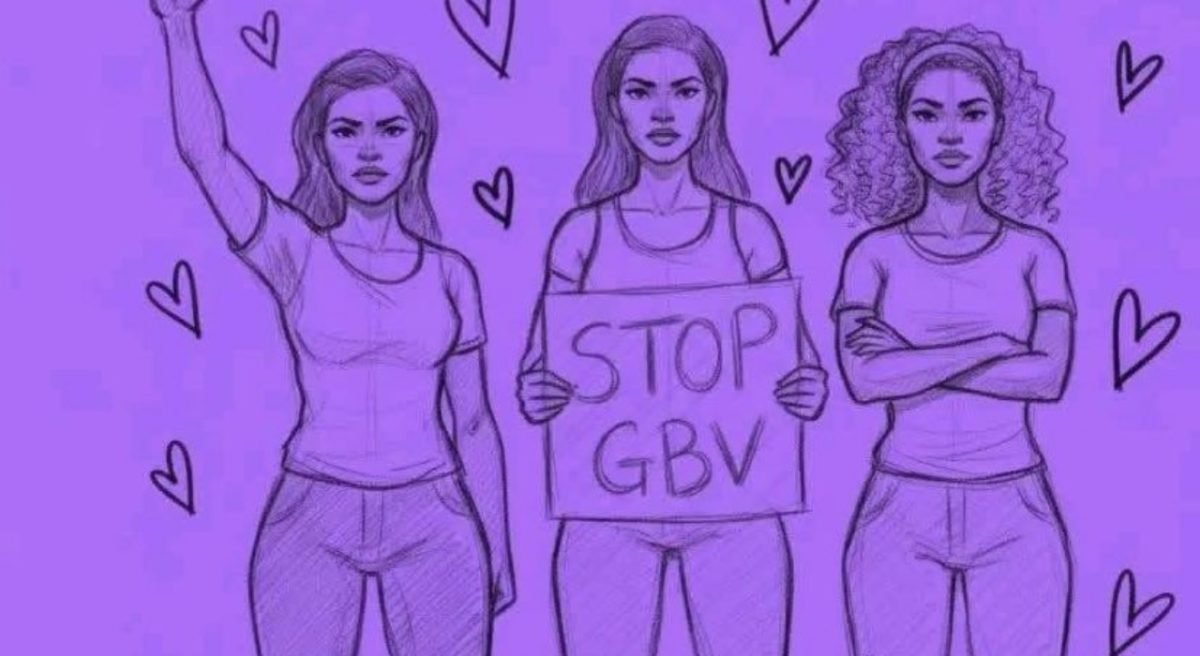
The brief moments of kindness feel intensely rewarding after periods of pain, making it difficult to let go. The brain begins to associate the abuser with both fear and relief, forming a confusing but strong emotional dependency.
Trauma bonding also weakens a person’s sense of reality and self-worth. The victim may begin to rationalise the abuse, blame themselves, or believe the promises of change despite repeated harm.
Because the same person causing pain is also offering comfort, leaving can feel like losing the only source of emotional support they have.
This bond is not about love in a healthy sense it is rooted in survival, conditioning, and emotional manipulation. Breaking it often requires external support, awareness, and time, as the attachment can feel just as intense as any genuine relationship.