Advertisement
How to know you have an emotionally unavailable partner
07th June, 2026 09:45 AM

In many relationships, emotional closeness is what helps two people feel safe, understood, and connected. But sometimes, one partner may struggle to open up or respond to emotional needs.
This is often called emotional unavailability. It can be confusing because the person may still be present, but the emotional connection feels missing. Patterns of emotional connection often shape how people respond in relationships, especially when trust or vulnerability is involved.
Knowing the signs can help you understand what is happening in the relationship instead of blaming yourself or feeling stuck.
They avoid deep conversations
An emotionally unavailable partner often avoids serious talks about feelings. When the conversation becomes emotional, they may go quiet, change the topic, or act uncomfortable. They prefer light discussions such as daily activities, entertainment, or general plans.
Avoiding emotional discussion can affect how people build healthy and supportive relationships over time. Over time, this makes it hard to build a strong emotional bond because one side is always carrying on deeper conversations alone.
They struggle to show care in words or actions
Some partners find it hard to express care, comfort, or affection. They may not say things like “I understand you” or “I’m here for you” even when it is needed.
In some cases, they may show care through actions but still avoid emotional support. Emotional expression is an important part of feeling supported in relationships.
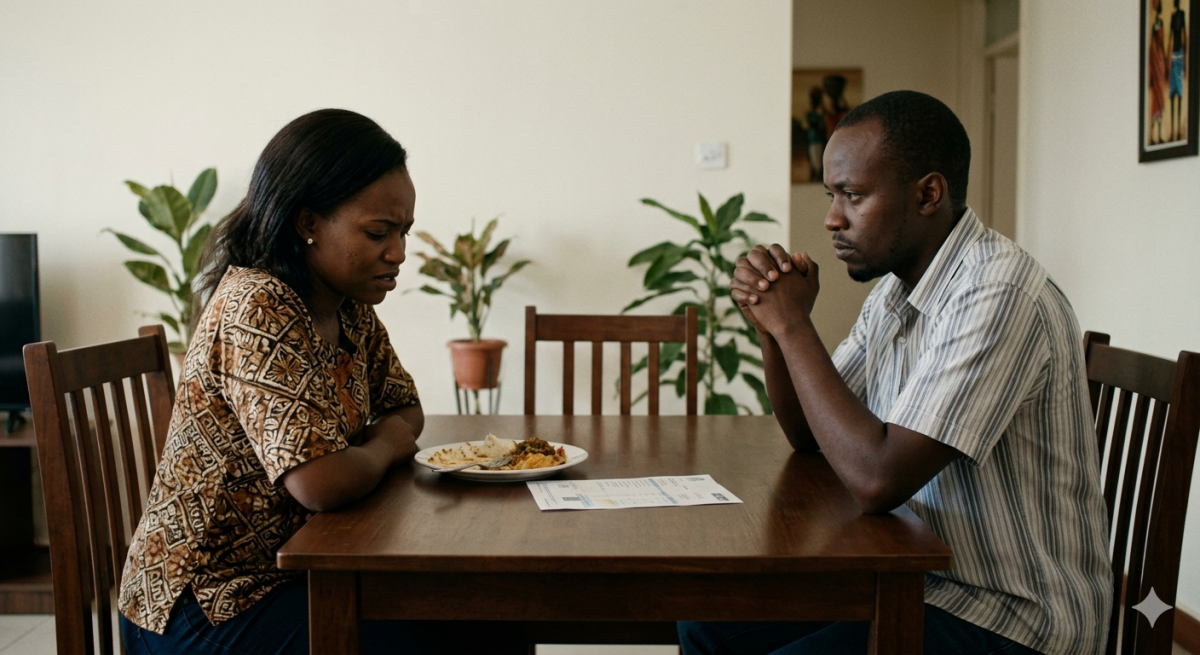
They keep emotional distance even when close physically
Even when you spend time together, there may still be a sense of distance. They might sit next to you, talk to you, and share space, but not truly open up. You may feel like you are not fully “let in” to their inner world. Psychology Today highlighted that emotional distance is often linked to attachment styles formed earlier in life.
This emotional gap can make you feel alone even in their presence.
Mixed signals in communication
Emotionally unavailable partners can be unpredictable. They may reply quickly and show interest one day, then become distant or slow to respond the next.
This back-and-forth behaviour can create confusion and make you question the relationship often. Inconsistent communication can affect emotional security in relationships.
They avoid commitment or long-term talks
Another common sign is avoiding discussions about the future. They may not clearly define the relationship or may become uneasy when asked about long-term plans. This keeps the relationship in a “floating” stage without direction. Avoidance of commitment in some cases has a fear of vulnerability or emotional stress.
They do not handle emotional needs well
When you are upset, they may not know how to respond. Instead of offering comfort, they might dismiss the issue, become silent, or try to “fix it quickly” without listening.
This can leave you feeling unheard. The NHS highlighted that emotional support is key to maintaining healthy mental wellbeing in relationships.

They prioritise independence over connection
While independence is healthy, emotionally unavailable partners may take it to an extreme. They may avoid depending on others or allowing others to depend on them emotionally. This creates a barrier that blocks closeness. Excessive emotional independence can sometimes be linked to difficulty with vulnerability.
You often feel unsure about where you stand
One of the strongest signs is emotional confusion. You may constantly wonder if they care, if the relationship is serious, or if you are asking for too much. A healthy relationship should not leave you guessing most of the time. Emotional clarity is important for stability and trust in relationships.
Emotional unavailability is often linked to past experiences, fear of getting hurt, or difficulty expressing feelings. It does not always mean a person is “bad,” but it does mean the relationship may lack the emotional depth needed for long-term stability.
Healthy relationships grow through open communication, emotional support, and consistency. When these are missing, one partner often feels like they are trying alone.