Advertisement
Govt new wage directives: Should employers set qualification requirements for house helps?
07th June, 2026 08:57 AM

The government’s decision to increase minimum wages for domestic workers is prompting fresh conversations in many Kenyan homes.
Beyond the impact on household budgets, some employers are beginning to ask whether higher pay should come with formal qualifications or specialised skills for house helps.
For years, many households hired domestic workers with little or no formal education, often paying them lower wages in line with what was common practice at the time.
However, with the government setting higher minimum wage standards for domestic workers, some employers are now questioning whether qualifications, training, or specific skills should play a bigger role in the hiring process.
Govt’s new directives
The debate comes after the government approved a 12 per cent increase in minimum wages for domestic workers, including house helps, gardeners, messengers, sweepers and watchmen.
The revised wage guidelines were published in a legal notice issued by Labour Cabinet Secretary Alfred Mutua, implementing a directive announced by President William Ruto during this year’s Labour Day celebrations.
According to the government, the move is intended to improve the livelihoods of workers who have long been among the lowest-paid employees in the country.
Under the new structure, domestic workers employed in major cities such as Nairobi, Mombasa, Kisumu, Nakuru, and Eldoret will now earn a minimum monthly wage of Ksh18,047, up from Ksh16,113 in 2024.
Employers in former municipalities and other large urban centres, including Ruiru, Mavoko, and Limuru, will be required to pay a minimum monthly wage of Ksh16,650.
In smaller towns and rural areas, domestic workers will earn a minimum of Ksh9,268 per month under the revised pay scale.
Employers on hiring helps
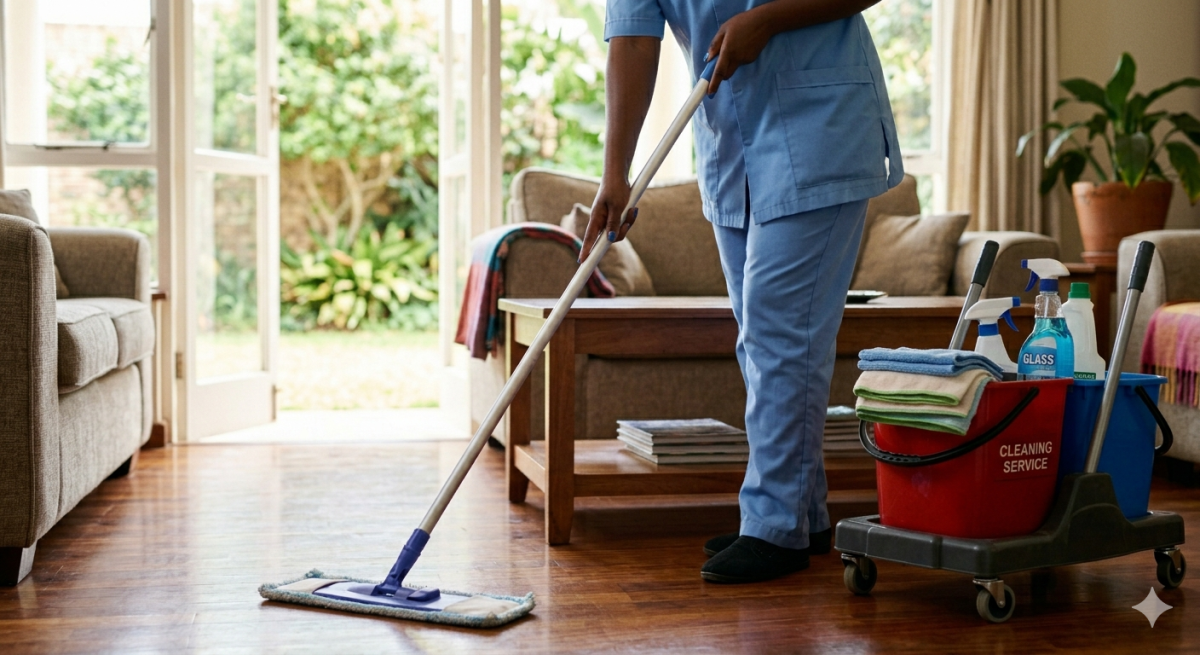
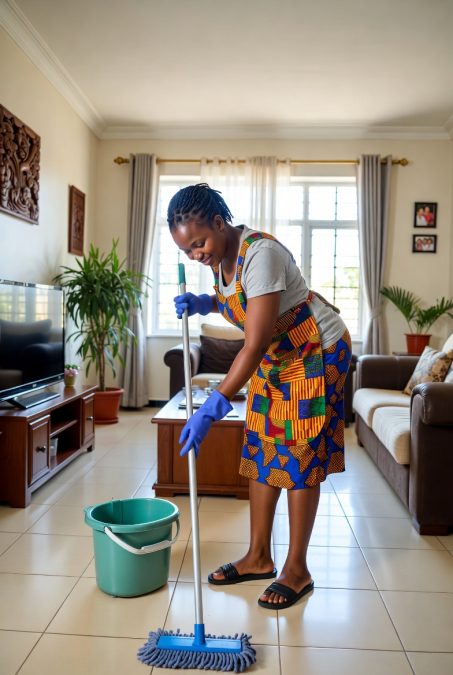
For some employers, the wage increase is forcing them to rethink what they expect from domestic workers. Tasks such as childcare, meal preparation, elderly care, household budgeting and operating modern home appliances require a certain level of knowledge and responsibility.
As a result, some families feel that formal training or certification could help ensure better service and professionalism.
It is worth noting that traditionally, many employers have relied more on trust, experience and character than academic qualifications while hiring house helpers. Many successful house helps have built long careers through hands-on experience despite having limited formal education.
The conversation also highlights the changing nature of domestic work in Kenya. As households become busier and family structures evolve, many employers are seeking workers who can handle multiple responsibilities.
This has led to growing demand for specialised skills such as childcare, first aid, elderly care, cooking and housekeeping.
For many Kenyan families, the issue ultimately comes down to balancing affordability, quality service and fairness. While some employers may prefer trained domestic workers, others will continue to prioritise trustworthiness, reliability and experience over certificates.
As the domestic labour sector becomes increasingly formalised, the discussion around qualifications is likely to continue.
Whether formal training becomes the norm or experience remains the key requirement, one thing is clear: domestic workers are gaining greater recognition for the important role they play in keeping Kenyan households running smoothly.