Advertisement
Cost of living in Kenya: List of everyday items that have become more expensive
20th August, 2026 03:50 PM
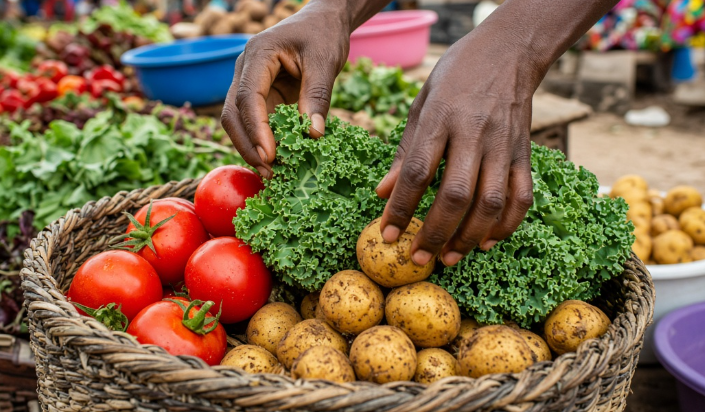
Nairobi households are feeling the squeeze as the cost of basic goods and services continues to rise, leaving families with less money to spend on other needs.
A survey by TIFA Research released on Thursday, August 20, 2026, shows the extent of the pressure, with 81 per cent of Nairobi households reporting either rising living costs or constrained incomes.
According to the report, 81% of Nairobi households are already experiencing either rising living costs or constrained incomes, leaving little room to absorb additional increases in the cost of essential goods and services.
The concern over rising prices is widespread. Eighty-one per cent of respondents said they were very concerned about the rising cost of everyday needs, including fuel, groceries, rent and transport.
Another 11 per cent said they were somewhat concerned, meaning 92 per cent of respondents were at least somewhat worried about the rising cost of living.
Items that increased
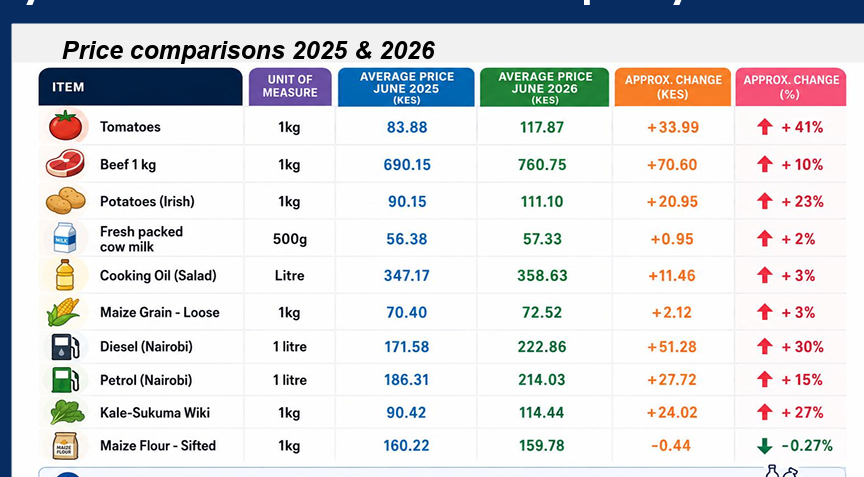
Data cited in the TIFA report, based on Kenya National Bureau of Statistics figures, compared average prices in June 2025 and June 2026.
The following everyday items recorded price increases:
- Tomatoes: Ksh83.88 → Ksh117.87 per kg — up 41%
- Sukuma wiki: Ksh90.42 → Ksh114.44 per kg — up 27%
- Irish potatoes: Ksh90.15 → Ksh111.10 per kg — up 23%
- Beef: KSh690.15 → Ksh760.75 per kg — up 10%
- Cooking oil: Ksh347.17 → KSh358.63 per litre — up about 3%
- Maize grain: Ksh70.40 → Ksh72.52 per kg — up about 3%
- Fresh packed cow milk: Ksh56.38 → Ksh57.33 per 500g — up about 2%
- Petrol: Ksh186.31 → Ksh214.03 per litre — up about 15%
- Diesel: Ksh171.58 → Ksh222.86 per litre — up about 30%
Sifted maize flour was the only item listed that recorded a slight price decline.
The high cost of living emerged as the biggest challenge facing most households, with 62 per cent of Nairobi residents identifying high costs of transport, fuel, food and education as their main difficulty.
Another 19 per cent cited constrained incomes caused by low earnings, struggling businesses or unemployment.
TIFA warned that further increases in the price of essential goods and services could put additional pressure on already stretched household budgets.
“Policies or market changes that raise the price of essential services such as transport, fuel, food, or education are likely to place additional pressure on already stretched household budgets,” the report states.
Families cut spending
The rising prices are directly affecting household budgets, with families forced to stretch their incomes further to cover basic needs.
TIFA noted that higher prices had reduced consumers’ disposable income, making households particularly sensitive to additional costs, especially in transport.
“Rising prices across essential household goods have reduced consumers’ disposable income. As a result, passengers are likely to be highly sensitive to any policy that increases transport costs,” the report states.
For many Nairobi families, the combination of higher food, fuel and transport costs leaves little room for unexpected expenses.
The findings point to continued pressure on household incomes, with further increases in essential goods and services likely to force families to cut back on other spending.
Author
William Muthama
William Muthama is a digital journalist with a focus on entertainment, human interest, and current affairs. Share stories: [email protected]/ [email protected]
View all posts by William Muthama