Advertisement
Kenyan celebrities entering politics: Clout or calling?
04th May, 2026 08:25 PM
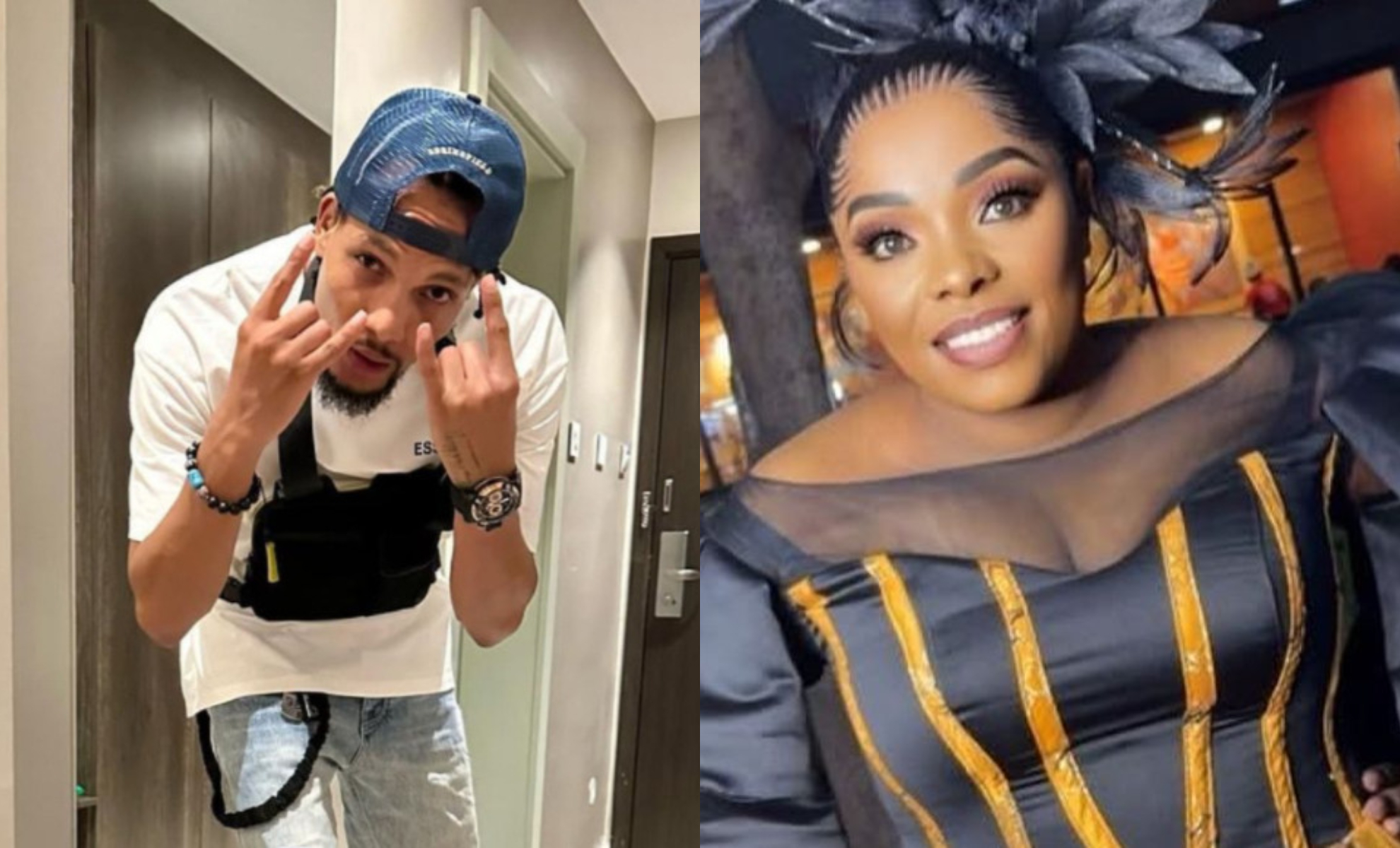
As Kenya slowly shifts focus to the 2027 General Election, a new trend is becoming impossible to ignore: celebrities are no longer just shaping conversations online, but they now want a seat at the decision-making table.
From musicians to comedians and digital influencers, a growing number of public figures have declared interest in elective seats, raising a familiar question: Is this about genuine leadership or simply clout chasing?
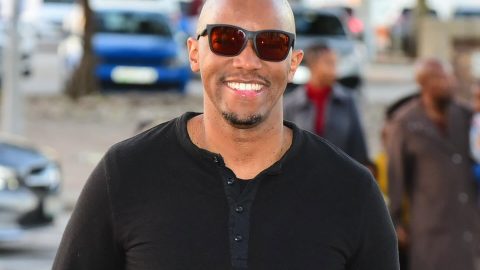
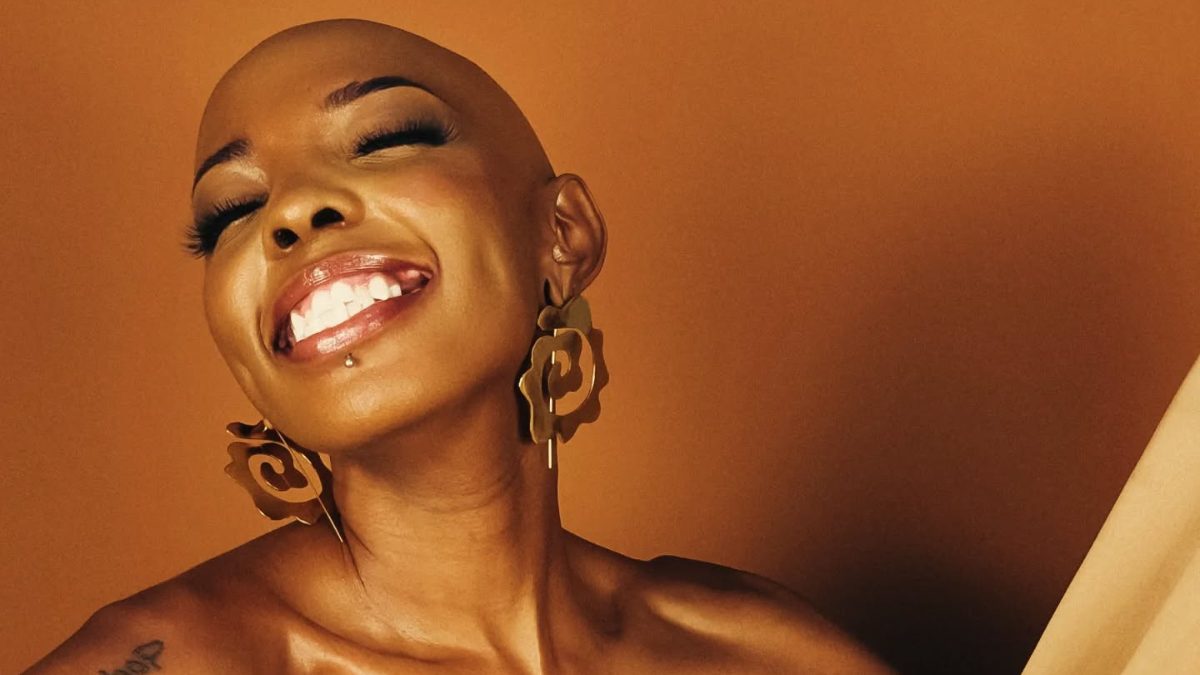
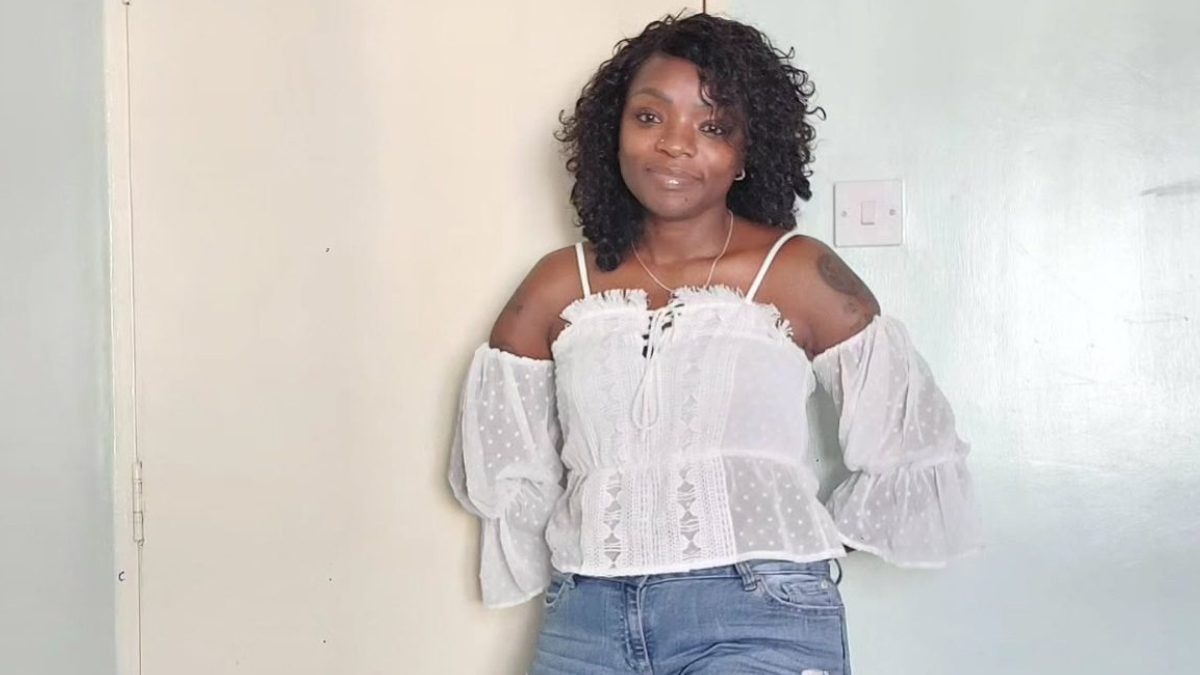
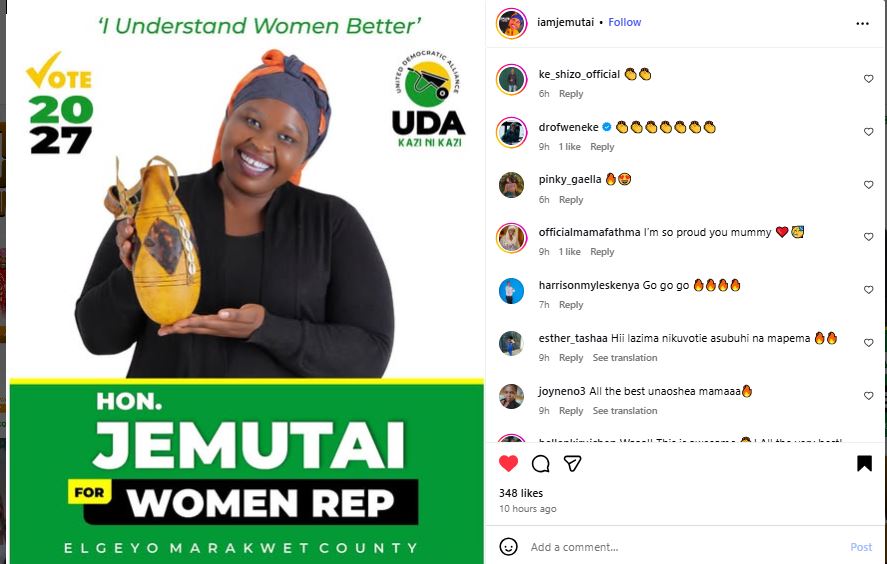
Take KRG The Don, who has openly declared his bid for the Nairobi Senate seat, promising to shake up city politics. Jemutai is eyeing the Elgeyo Marakwet Woman Representative position, while content creators like Cassypool and Corazon Kwamboka have also hinted at political ambitions.
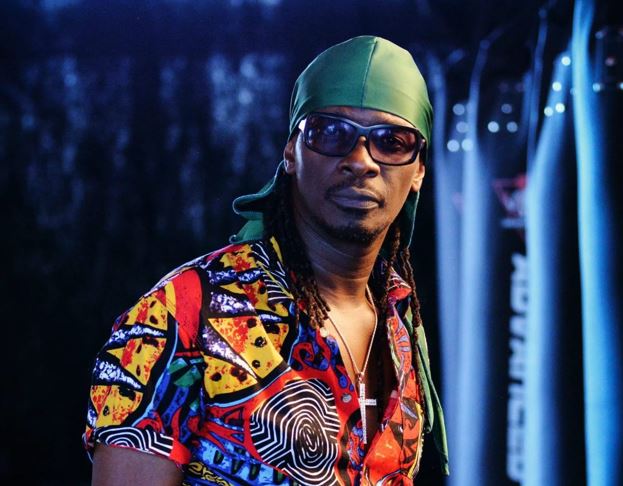
Pastor Victor Kanyari and Eko Dydda are also among other notable names positioning themselves for political seats in the upcoming general election.
Even gospel singer Justina Syokau, who has previously made bold public statements about her ambitions and influence, is increasingly being viewed as part of the wider wave of celebrities edging closer to political spaces.

Celebrities turning politicians
This wave is not entirely new.
Kenya has already seen media personalities successfully transition into politics, blurring the line between entertainment and leadership. But what stands out this time is the sheer number of celebrities expressing interest, signalling a shift in how influence is being translated into power.
For some, the move appears rooted in purpose. Many of these figures have built strong connections with ordinary Kenyans through their platforms.
They speak the language of the youth, understand digital mobilisation, and often position themselves as outsiders ready to disrupt traditional politics. In that sense, their entry could be seen as a natural evolution, from influencing opinions to shaping policy.
However, critics are not convinced.
There is a growing perception that for some celebrities, politics is becoming an extension of personal branding, a new stage to remain relevant once the spotlight in entertainment begins to dim. In an era where attention is currency, politics offers visibility, power, and longevity.
The challenge, however, lies in governance. Popularity does not always translate into leadership ability. Running a successful campaign requires more than followers and viral moments; it demands policy understanding, consistency, and the ability to navigate complex systems.
Still, their influence cannot be dismissed. In a country where young voters form a significant portion of the electorate, celebrity candidates may tap into a base that traditional politicians often struggle to reach.
So, is it clout or calling?
The answer may lie somewhere in between. For some, it is clearly a genuine attempt to serve and create change. For others, it may be a strategic move to stay relevant in a rapidly evolving public space.
What is certain is this: come 2027, the ballot could look more like a celebrity lineup than ever before, and Kenyans will have to decide whether fame is enough to earn a vote.