Advertisement
Inside ‘The President’s Cake’ review: A stirring tale of power and pride
16th March, 2026 08:01 PM
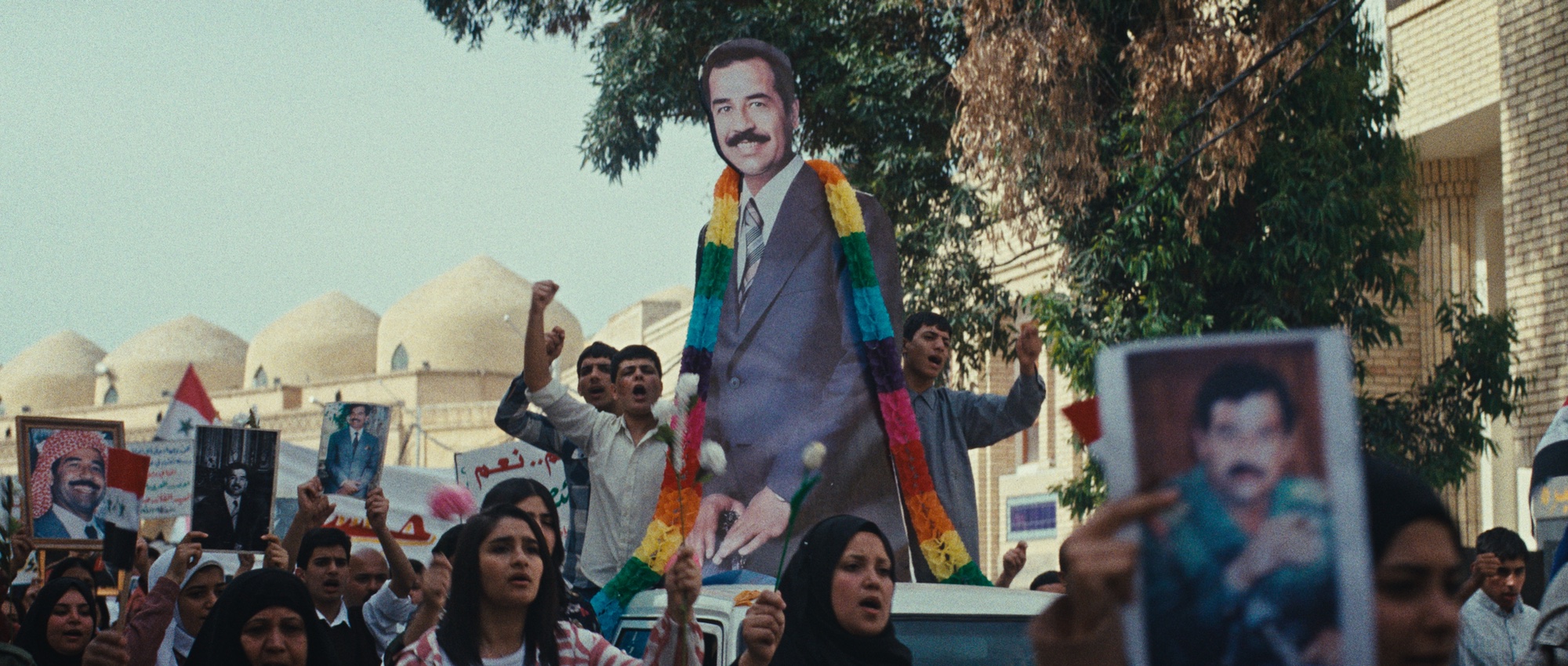
The President’s Cake has premiered as one of the most acclaimed films of early 2026, drawing attention for its quietly devastating portrayal of life under dictatorship.
The debut feature by Iraqi filmmaker Hasan Hadi first appeared at the Directors’ Fortnight in Cannes, where it won both the Caméra d’Or for Best First Feature and the Audience Award, setting the stage for its theatrical release on Friday, February 6, 2026.
Plot and storyline
Set in 1990s Iraq during Saddam Hussein’s regime, the film follows nine-year-old Lamia, a bright schoolgirl whose name is drawn in a lottery to bake a birthday cake for the president, a mandatory and perilous national ritual.
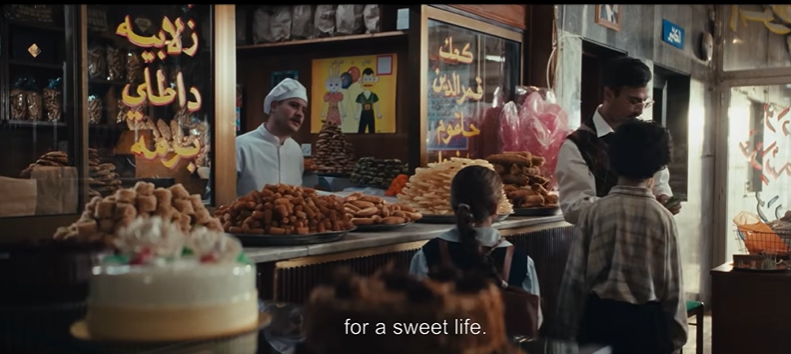
What begins as a simple school assignment quickly becomes an impossible quest: ingredients like eggs, flour, sugar, and butter are scarce luxuries.
Lamia navigates Baghdad’s streets, seeking help from neighbours, bartering, and confronting the harsh realities of survival under an oppressive regime.
Visuals and cinematics
Hadi’s direction is subtle yet commanding. The film relies on muted, sun-bleached tones to evoke a drained, oppressive atmosphere, with the stark red of presidential imagery providing constant reminders of authority.
The score blends traditional Iraqi melodies, enhancing the cultural authenticity while keeping the story grounded. Every day sounds a distant siren, and a mother’s trembling hands build tension without relying on overt melodrama.
Young lead Baneen Ahmed Nayyef delivers a striking, wide-eyed performance as Lamia, conveying determination and vulnerability in equal measure.
Supporting actors, including Waheeda Thabet and Sajad Mohamad Qasem, bring layers of resilience and understated menace, highlighting the human cost of political oppression.
Themes and impact
At its core, The President’s Cake is a fable about innocence confronting absolute power. Lamia’s cake becomes a symbol of hope and the demands of loyalty imposed by tyranny.
It made history as Iraq’s first-ever film to reach the Oscars shortlist for Best International Feature Film at the 98th Academy Awards, though it did not advance to the final five nominees.
The film explores the absurdities of dictatorship while remaining profoundly moving, showing how ordinary people, particularly children, bear the heaviest burdens.
The film has earned near-universal acclaim, boasting a 99% score on Rotten Tomatoes. Critics praise its emotional depth, understated storytelling, and visual precision, describing it as a quiet masterpiece that lingers long after the credits roll.
Rating: 9/10
Author
William Muthama
William Muthama is a digital journalist with a focus on entertainment, human interest, and current affairs. Share stories: [email protected]/ [email protected]
View all posts by William Muthama