Advertisement
Femi One raises a red flag over alarming new HIV infections in Nairobi
01st December, 2025 05:05 PM

Rapper Femi One has raised concerns over the rising HIV infections among young people in Kenya.
She highlighted the latest statistics showing that most newly infected individuals are aged between 15 and 34, with women accounting for up to 54 per cent of the cases.
Femi One, on Monday, December 1, 2025, warned the youth to take responsibility and protect themselves, saying, “Guys, be faithful or use protection, tafadhali. You can be coughing and wonder about this fever, but you are in the window stage. But protection is better than cure, guys, please be faithful.”
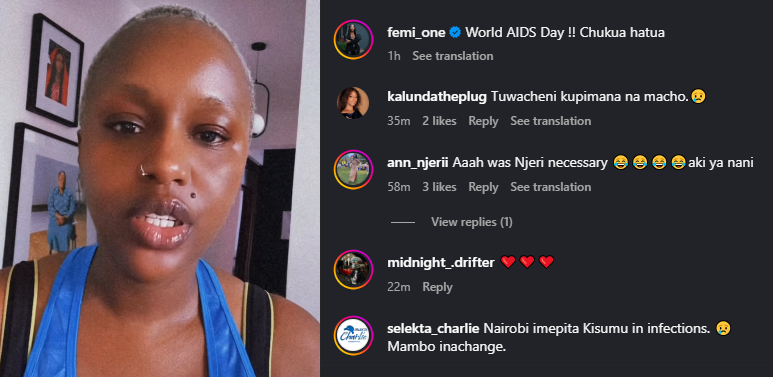
She stressed that risky sexual behaviour and trust in partners without proper protection continue to drive new infections. Femi One explained how cycles of unfaithfulness contribute to the spread of HIV.
“Huyo msee mnew una meet, unampima na macho, huyo msee ako na msee mwingine ana mtrust pia alimpima na macho. And the cycle continues. Huyo chali una trust, etii ahh kama hawezi kuwa nayo. Kama pai ako na dame mwengine anaitwa Njeri… Njeri pia ako na mtu mwengine ana trust,” she said.
Kenya records worrying rise in HIV cases
Kenya is facing a significant increase in new HIV infections, with young people, particularly Gen Z and Millennials, now accounting for most of the new cases. According to the HIV Estimates Report released by the National Syndemic Disease Control Council (NSDCC) on Sunday, November 30, 2025, the country recorded 19,991 new HIV infections in the past year, up from 16,752 the previous year, marking a 19 per cent increase.
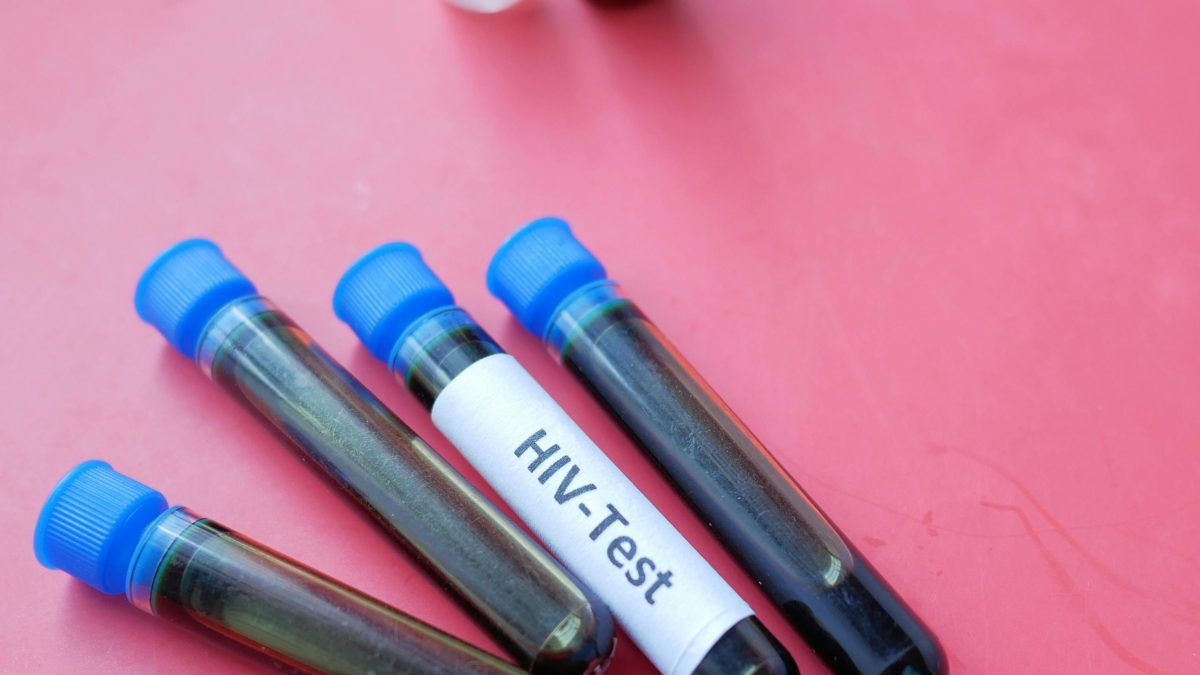
The report noted that young people aged 15 to 34 are driving the epidemic, with women being disproportionately affected. It also highlighted that 10 counties contributed to 60 per cent of all new infections in 2024. Nairobi recorded the highest number of cases at 3,045, followed by Migori (1,572), Kisumu (1,341), Homa Bay, Busia, Siaya, Kakamega, Nakuru, Mombasa, and Bungoma.
The report further stated that in 2024, the national HIV prevalence stood at 3.0 per cent, with higher rates among females (4.0 per cent) compared to males (2.0 per cent). Experts say the statistics underline the urgent need for youth-focused interventions to curb the rise of new infections.