Advertisement
Willis Otieno slams plan to charge motorists for road use
12th August, 2025 08:05 AM
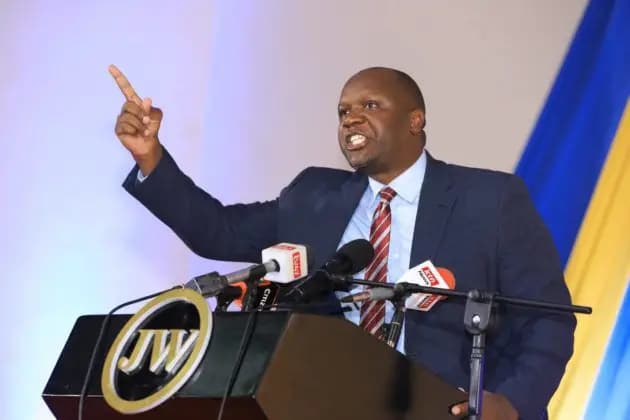
Lawyer Willis Otieno has posed a fierce critique against the government’s proposed “user pay” road charges, branding them as unfair and redundant.
Speaking amid growing public scrutiny, Otieno argued that motorists are already financing road infrastructure through the Roads Maintenance Levy embedded in fuel prices.
“Why should Kenyans pay again to use roads when we already pay a Roads Maintenance Levy through every litre of fuel? That levy was created specifically to fund road construction and maintenance,” he said in a statement on X on Tuesday, August 12, 2025.
Otieno’s comments follow Transport Cabinet Secretary Davis Chirchir’s presentation of the National Road Tolling Policy to Parliament’s Departmental Committee on Transport and Infrastructure.
The policy proposes a comprehensive tolling framework for major highways, including the Nairobi–Mombasa Expressway and Rironi–Nakuru–Mau Summit Highway, aiming to address lingering funding gaps in road construction and maintenance. Revenue would be collected via modern tolling technologies, and the process would involve public-private partnerships to boost efficiency and accountability.

Calling out redundant toll charges
Otieno questioned the fairness of this move, stating the Roads Maintenance Levy was specifically created to fund road upkeep and should still suffice. He said charging again for roads that Kenyans already finance through fuel prices is economically burdensome. His remarks reflect broader public wariness about the stacking of levies without transparent accountability for the funds already collected.
He further warned that additional levies could spark public distrust, especially if citizens fail to see meaningful improvements in road conditions. Otieno called on the government to first audit and optimise the use of existing revenue before introducing new charges, appealing for transparency in how both toll and levy funds are managed.
Moreover, he emphasised the potential economic fallout, noting that layering tolls on top of fuel-based funding could drive up transportation costs, which invariably trickle down to consumers through higher prices of goods and services. For lower-income households already strained by living costs, this would be particularly harsh.
His critique also reflects concerns raised during public participation forums, where citizens often call for transparency, fairness, toll exemptions for vulnerable groups, and flexible review timelines for the policy.