Advertisement
Wamumbi urges NACADA to balance alcohol regulations with business survival
30th July, 2025 10:43 PM

Mathira MP Eric Wamumbi has called on the National Authority for the Campaign Against Alcohol and Drug Abuse (NACADA) to reconsider its newly announced alcohol regulations, warning that they could hurt already struggling businesses.
In a statement posted on his Facebook account on Wednesday, July 30, 2025, Wamumbi acknowledged the importance of fighting substance abuse while expressing concern about the economic impact of the proposals under the National Policy on the Prevention, Management, and Control of Alcohol, Drugs, and Substance Abuse in Kenya.
“I have taken note of the recent proposals by NACADA on banning alcohol sales in various locations, including supermarkets, restaurants, home deliveries, and even online platforms,” the MP stated.
Economic concerns
While expressing support for combating illicit brews and substance abuse, Wamumbi cautioned that the sweeping measures risk undermining the survival of legitimate enterprises.
“As a leader, I fully support the fight against illicit brews, drugs, and substance abuse, which continues to devastate families and communities. However, these measures, though well-intentioned, appear overly punitive to businesses that are already struggling to find footing in a recovering economy,” he said.
The Mathira legislator emphasised the need to balance public health objectives with economic realities, particularly for small and medium enterprises.
“We must strike a balance between protecting our citizens and supporting legitimate businesses that provide livelihoods to millions of Kenyans,” Wamumbi argued.
The MP urged NACADA to engage more broadly with affected industries before implementing the restrictions.
“I call on NACADA and other relevant stakeholders to relook at these proposals, engage widely with industry players, and craft solutions that protect lives while safeguarding livelihoods,” he stated.
New restrictions
The newly launched NACADA policy proposes a wide range of restrictions on the sale and consumption of alcohol.
If imposed, the regulations will ban alcohol sales through online platforms, home deliveries, and supermarkets. Petrol stations, restaurants, residential premises, toy shops, vending machines, public spaces such as beaches and parks, and transport hubs, including bus stops and railway stations, will also be affected.
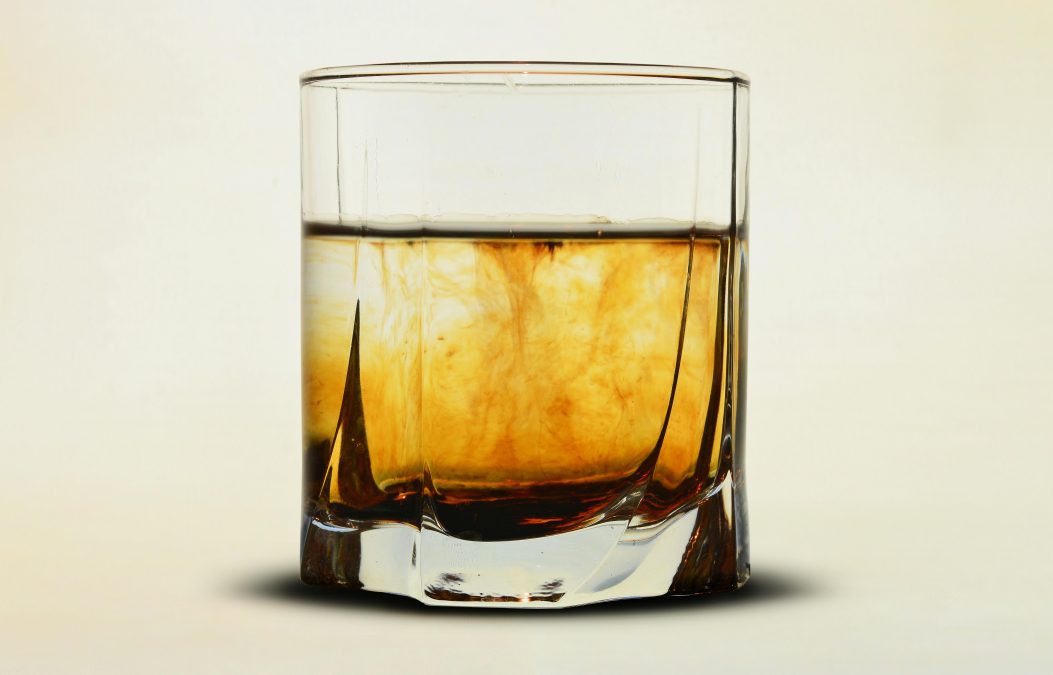
Beyond sales restrictions, the policy will prohibit alcohol consumption in numerous public venues, including restaurants, dining areas in hotels and clubs, educational institutions, and transport facilities.
The authority is also seeking to prohibit sales and entry to alcohol-selling premises for anyone under 21 and ban alcohol sales in packaging smaller than 250ml.
Additional measures will include restricting the number of alcohol outlets based on population density and regulating the operating hours for retail establishments.